The Dark Side of Religion
Religion has been, for centuries, a tool for humanity’s spiritual search—offering comfort, hope, and strengthening the social structures of various nations and societies. However, history shows that its authority has often turned into a source of violence, manipulation, and tragedy. Below are five disturbing cases based on real events.
1. The Spanish Inquisition (1492–1834)
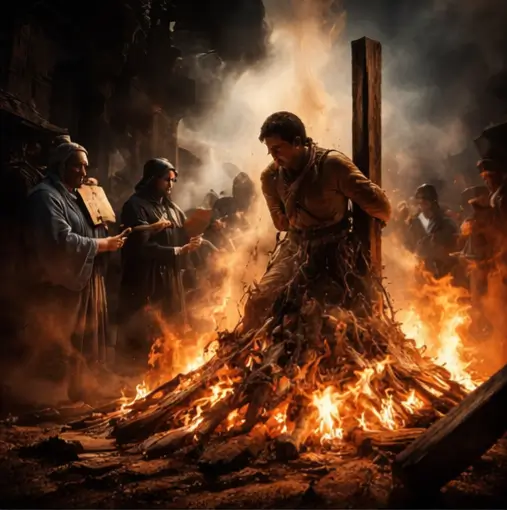
The Spanish Inquisition was one of the most brutal religious regimes in history. Its primary goal was the “purity of the soul” of Jews, Muslims, and Christians suspected of heresy. In reality, thousands of people died under torture.
Methods of punishment were horrifying: burning at the stake, mutilation, and blinding. Beyond physical suffering, victims were often destroyed through the confiscation of their property. Historians estimate that in the 16th century alone, hundreds of people died annually.
The Inquisition demonstrates how the combined power of state and religion can become a source of horror.
2. The Persecution of John Wycliffe and His Followers (14th Century, England)
John Wycliffe was an English thinker who criticized the immense wealth and ideological control of the Church. His ideas were not welcomed by the ecclesiastical elite, and his followers were severely punished.
Even after his death, in 1415, his disciples were burned alive to prevent the spread of his teachings. Historical sources suggest that hundreds perished, and fear led many to abandon open learning and free education.
This case reminds us how the abuse of power can lead to human suffering.
3. Harsh Monastic Practices in Sicily (16th Century, Italy)
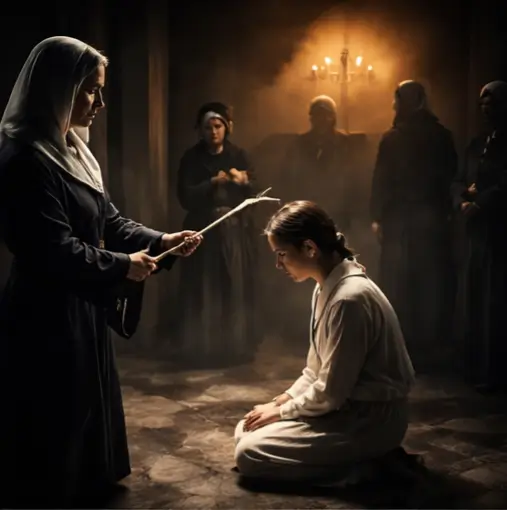
In a Sicilian monastery where young nuns and novices lived, extremely strict discipline was enforced. Religious authorities subjected newcomers to both physical and psychological abuse.
They were deprived of food, locked in dark rooms for hours, forced into prolonged silence, and in some cases made to ingest toxic plants. As a result, several young individuals died, while many developed severe mental illnesses.
Historical records indicate that these methods were used not only for “spiritual purification,” but also to establish total control and fear.
4. Cannibalistic Sacrificial Rituals in the Aymara Tribe (16th Century, Peru)
During the colonization of Peru, the Aymara tribe practiced rituals involving human sacrifice. They believed that offering the lives of young people and men was necessary to appease their gods.
In the 1520s, a recorded ritual resulted in the killing of approximately 200 people. This tragedy illustrates how religious belief can turn into mass brutality.
5. Catholic Church Scandals in the 20th Century (Worldwide)
In the second half of the 20th century, serious scandals involving the Catholic Church emerged in various countries. Notably in the United States, Ireland, and Australia, cases surfaced in which clergy were accused of abusing children.
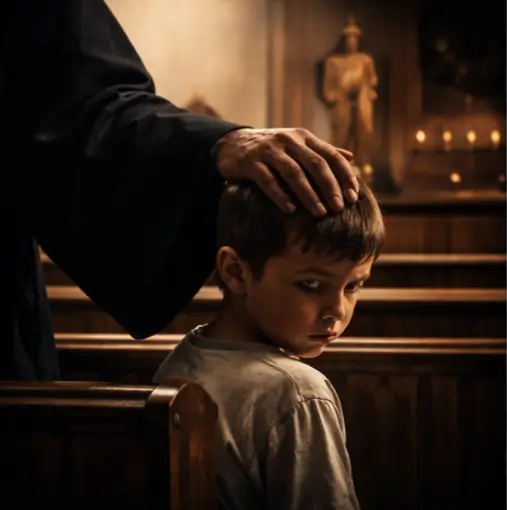
Investigations revealed that these were not isolated incidents but a systemic issue that had been concealed for decades. Victims often remained silent due to the Church’s strong authority in society, carrying psychological trauma, fear, and distrust for years.
Particularly serious was the fact that in some cases, instead of being punished, the perpetrators were transferred to other places, which further aggravated the problem. This significantly damaged public trust in the church and led to a large-scale crisis.
This story clearly shows that religious authority, which should be a spiritual support for people, can be abused. And most importantly, such a threat does not belong only to the past. Religion, like any powerful institution, can also become a tool for the abuse of power today if there is no transparency, accountability, and public control.
Religion and Power in the Modern World
In the modern world, religion continues to play a vital role in the lives of billions. It remains a foundation of faith, morality, and identity. However, as in history, there are cases where religious ideas and symbols are used not for spiritual purposes, but to strengthen power and control.
In the 21st century, particular attention has been drawn to groups such as Islamic State, Taliban, and Boko Haram. These organizations have used religious rhetoric to spread their ideology, yet their actions—violence, human rights violations, and fear—stand in stark contrast to the spiritual values religion is meant to uphold.
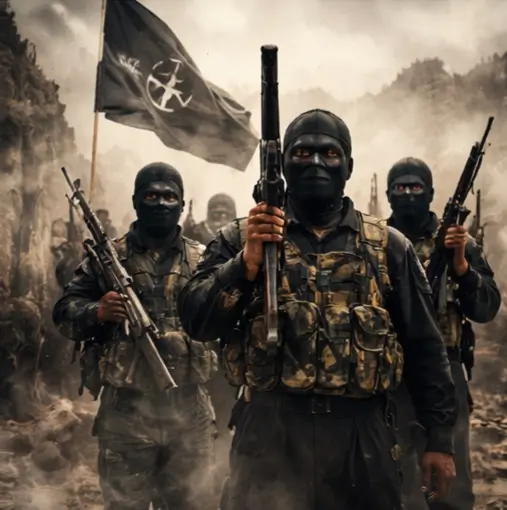
It is important to note that such examples are not tied to a single religion. Across different times and places, various groups have used different faiths to attempt control over society. This shows that the issue lies not in belief itself, but in how and by whom it is used.
In today’s era, the rapid spread of information increases this risk. Through social media and technology, ideological messages can spread quickly, making manipulation easier—especially in societies where education, critical thinking, and access to free information are limited.
Religion itself is neither inherently good nor bad—it is a powerful tool shaped by human use. History and modern reality teach us that when religious authority becomes unchecked, the risk of abuse emerges. Therefore, critical thinking, education, and civic engagement are essential in reducing these dangers.
Conclusion
Religion can be a source of light for humanity, but history shows that its depths also contain violence, psychological suffering, and tragedy. Power, when left unchecked, becomes a weapon that can claim countless innocent lives.
That is why faith must always be accompanied by responsibility, critical thinking, and respect for human dignity. Only then can spiritual power fulfill its true purpose—not as a source of fear and violence, but as a foundation of hope, unity, and light.
If you found the article interesting, share it with your friends and leave a comment.