A Roman Emperor – Prisoner of Persia
Valerian I, Shapur I, and the humiliation of imperial dignity (260 AD)
In history, moments are rare when a single event signifies not only a military defeat, but also the symbolic collapse of an entire civilization. Such an episode is found in the history of the confrontation between Rome and Persia — in 260 AD, when the reigning Roman emperor Valerian I became a prisoner of the Persian king Shapur I.
This was an unprecedented case that ultimately destroyed the myth of Rome’s “invincibility.”
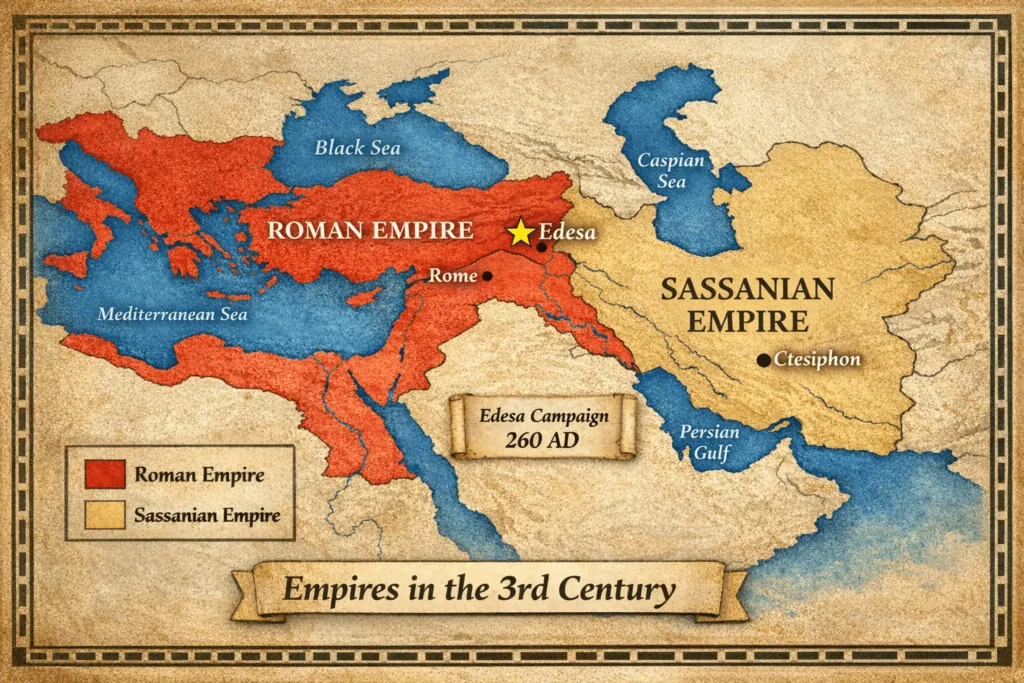
Historical Background – The Inevitable Clash of Two Empires
In the 3rd century, the Roman Empire entered a deep crisis:
- frequent rebellions and rapid changes of the throne
- economic decline and weakening of the army
- epidemics and the threat of border collapse
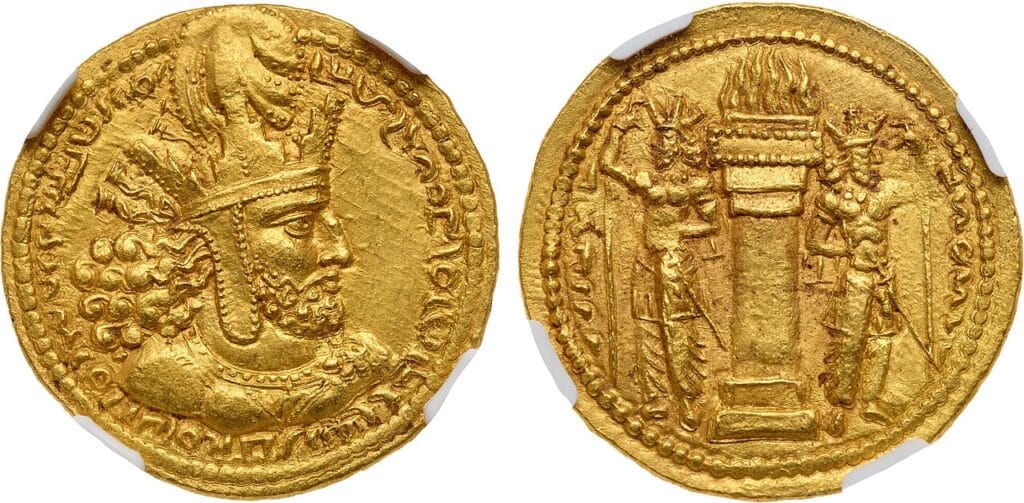
At the same time, a new power emerged in the East — Sasanian Persia, which replaced the Parthian Kingdom. Its ruler, Shapur I, did not consider himself an ally of Rome or a secondary power. On the contrary, he saw himself as the heir of ancient Persian empires and aimed for equal confrontation with Rome.
The Edessa Campaign – The Road to Catastrophe
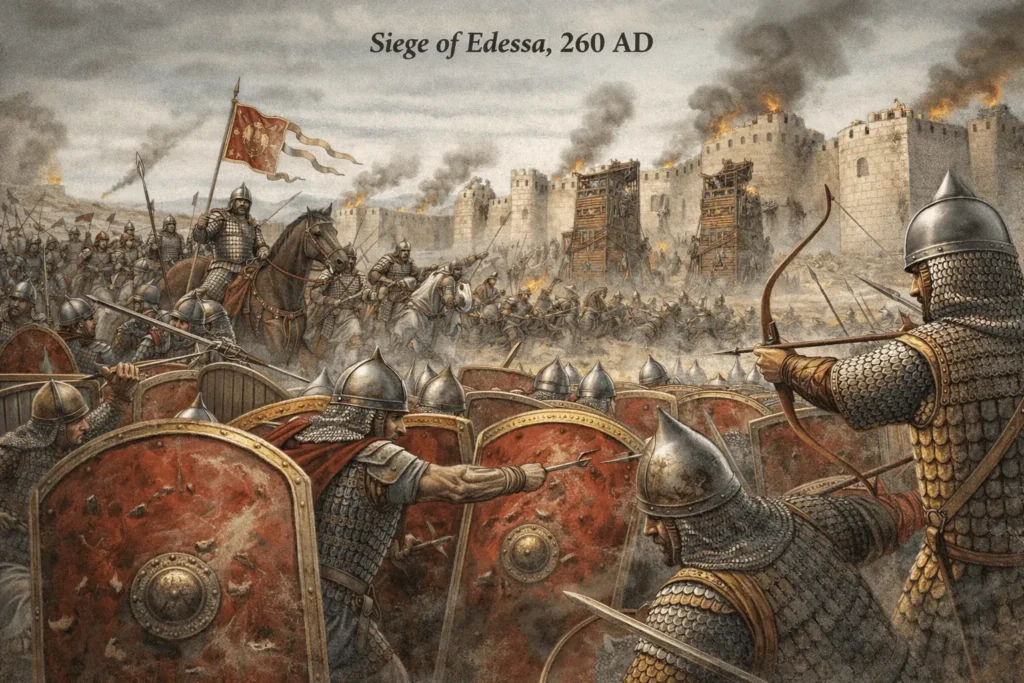
In 259–260, Valerian moved east to stop Persian invasions. However, his army found itself in a difficult situation:
- disease spread among the legions
- the army became fragmented and morally weakened
- supply was disrupted
Near Edessa (modern-day Şanlıurfa), the Romans were surrounded by the Persians. The situation was hopeless. Valerian attempted negotiations, which already signaled a crisis in Roman tradition.
An Unprecedented Event – The Emperor in Captivity
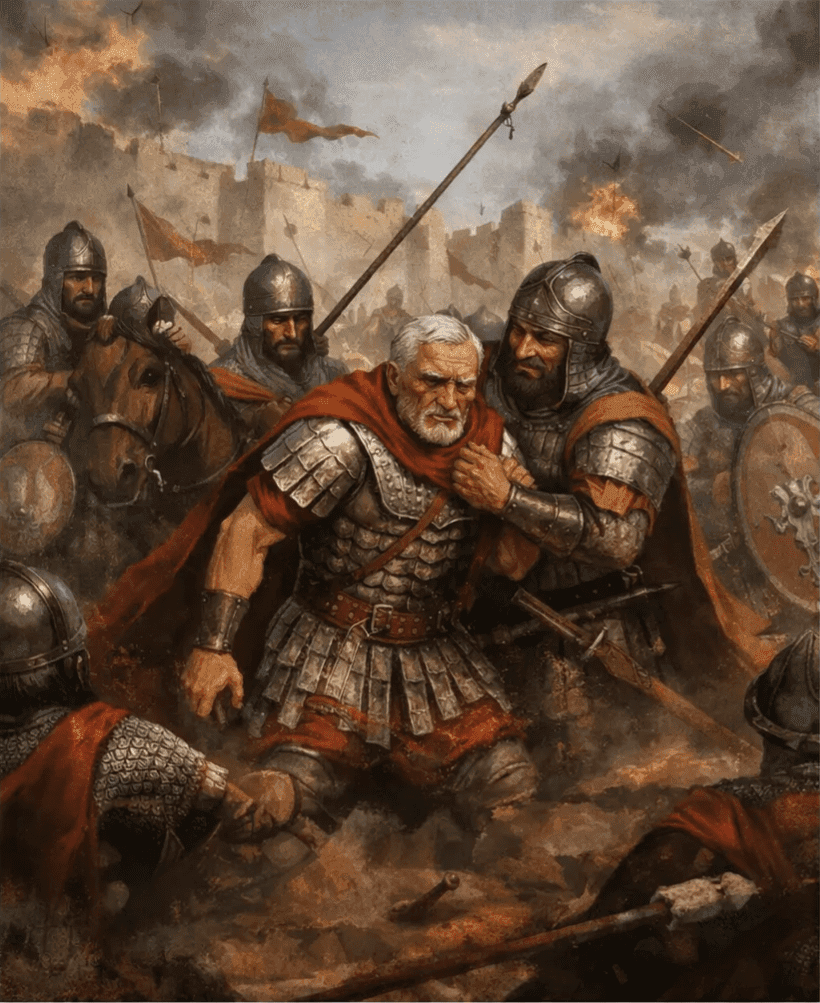
The negotiations ended fatally: Valerian was captured by the Persians.
This was the first and only confirmed case when a reigning Roman emperor fell alive into enemy hands. For Rome, this was not just a military defeat, but a humiliation of imperial dignity.
Propaganda in Stone Reliefs
Shapur I turned this victory into more than a military triumph — into a political and symbolic instrument.
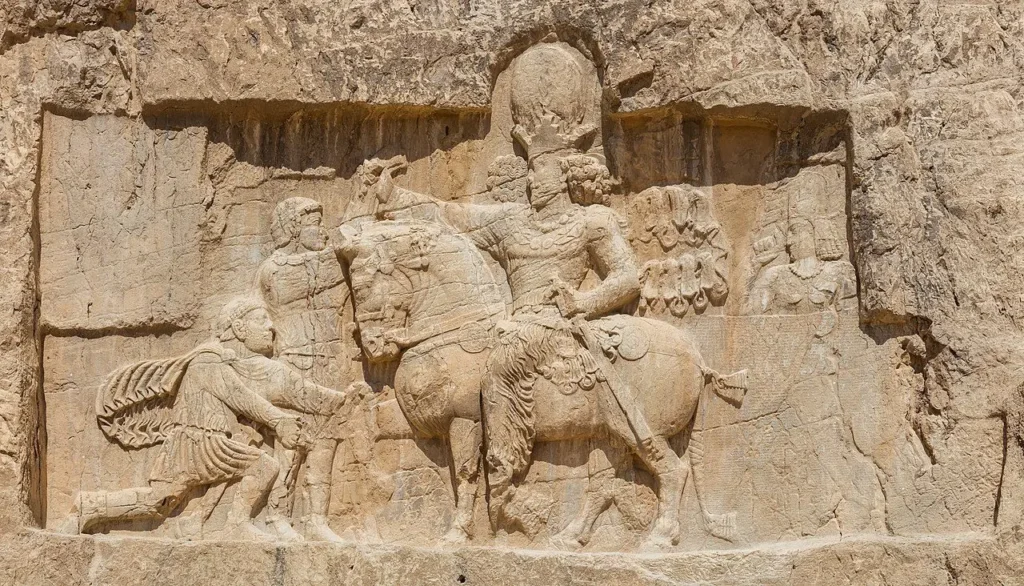
In Persia, near Persepolis, rock-carved reliefs have survived, where:
- Shapur is seated on a horse
- in front of him a defeated Roman emperor is depicted
- the scene emphasizes the changed balance of power
This was not mere art — it was a message to the entire world:
Rome is no longer invincible.
The Fate of Valerian – In the Fog of History
Valerian’s final fate remains unclear to this day:
- some sources say he died in captivity
- others claim he was used in humiliating conditions
- Roman chronicles describe this episode deliberately vaguely
It is likely that Rome deliberately tried to suppress this story — the captivity of an emperor undermined the ideological foundation of the empire.
Consequences That Changed History
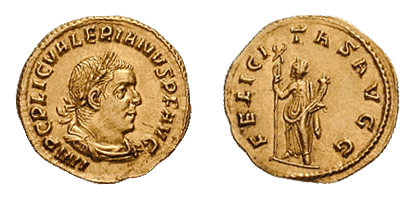
Valerian’s captivity had serious consequences:
- the so-called Crisis of the 3rd century began
- the authority of the emperor was finally shaken
- the eastern borders became even more vulnerable
- Persia established itself as a real, equal rival to Rome
From this moment, the conflict between Rome and Persia was no longer just a war for territories — it became a struggle for imperial prestige and civilizational supremacy.
Why Is This Story Still Important Today?
Valerian’s captivity shows us that:
- even the strongest empires are fragile
- power does not rest only on the army, but also on symbols and reputation
- history is often written not only by the victors, but also by the silence of the defeated
Conclusion
This episode of the confrontation between Rome and Persia is a warning from history — power is temporary, and its loss often begins with a single, seemingly accidental decision.
The captivity of Valerian I became not only the tragedy of one emperor, but a symbol of the defeat of an entire empire.
The images used in the article are taken from Wikimedia Commons and represent public domain material.
If you found the article interesting, share it with your friends and leave a comment.