Caravaggio: The Aesthetics of Reality and Drama
Michelangelo Merisi da Caravaggio (1571–1610) is one of the most controversial and at the same time revolutionary figures in the history of art. He was not just an outstanding painter of the Baroque era—Caravaggio completely transformed the language of painting and the perception of reality, which is why his influence is still felt today.

Realism – A Shock in Baroque Painting
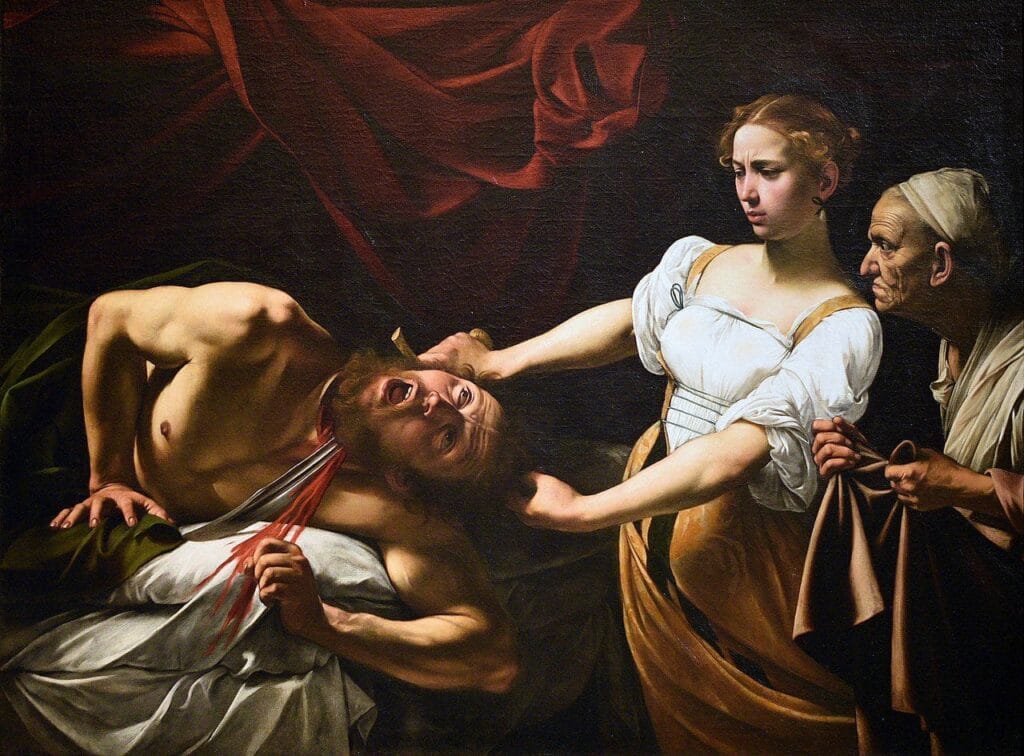
Caravaggio’s main innovation was uncompromising realism. He did not paint idealized saints or heroes. His characters were often ordinary people: with tired faces, dirty feet, wrinkles, and raw emotions. Even sacred figures look as if they have just stepped in from the street. This approach was often scandalous for the Church of the 16th–17th centuries, but unforgettable for viewers.
Light and Shadow as the Language of Drama
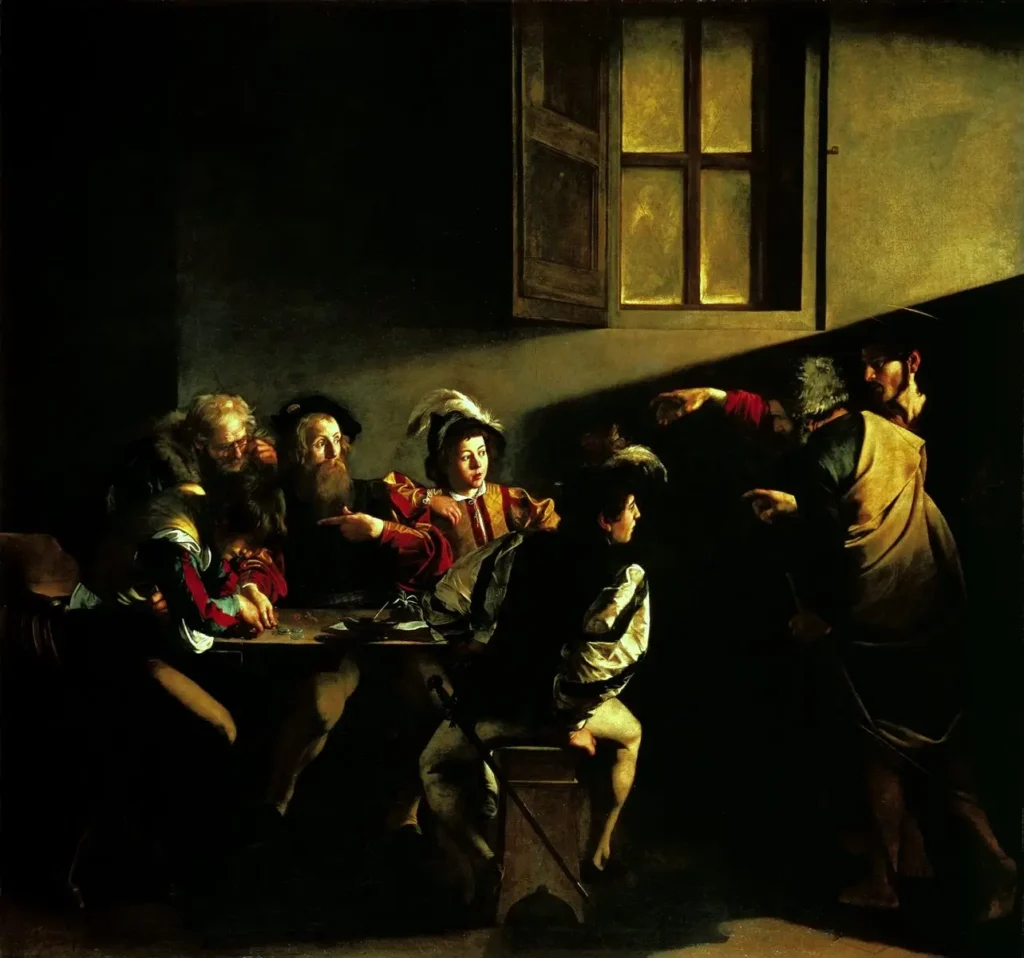
Caravaggio’s name is closely associated with Chiaroscuro—the sharp contrast between light and shadow. In his works, light is not merely illumination; it is an active force that gives the scene dramatic tension. Figures emerging from darkness seem to be born before our eyes, giving his paintings a cinematic effect.
Biblical Scenes with Human Pain
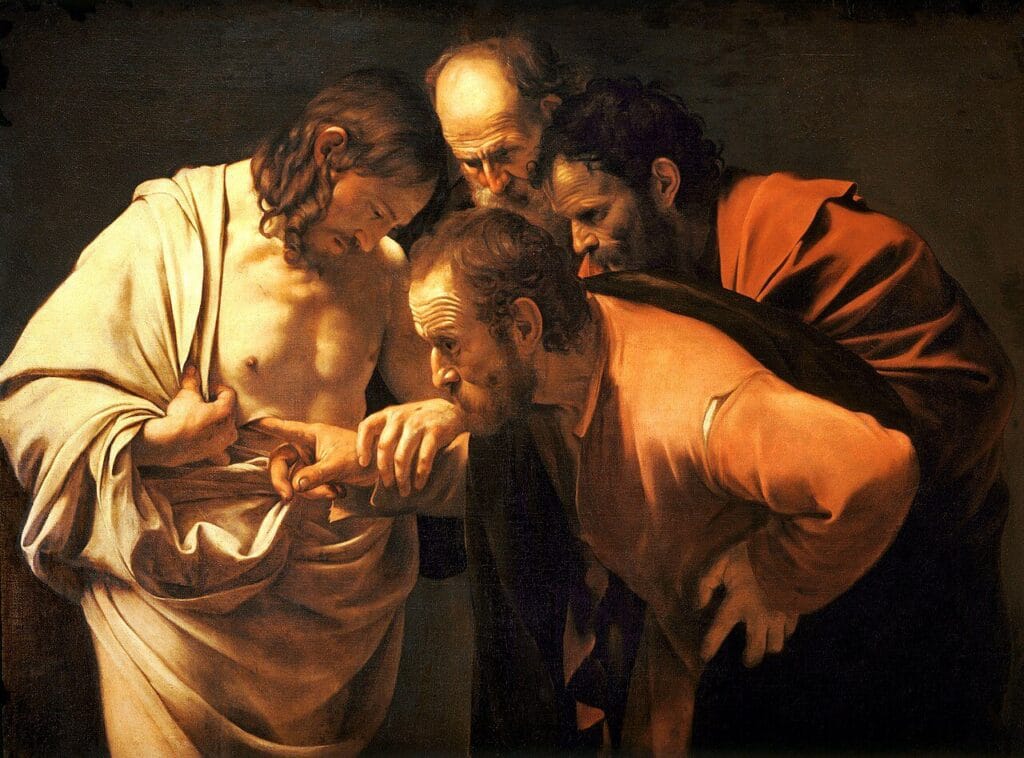
Caravaggio’s biblical subjects are filled with human emotions—fear, doubt, pain, and repentance. For example, in “The Incredulity of Saint Thomas” (1601–1602), the viewer sees not an idealized miracle, but the inner struggle between doubt and faith. This was an entirely new interpretation of religious art.
A Difficult Character, Dramatic Life, and Myths
Caravaggio’s life was as intense as his paintings. He was frequently involved in conflicts, fights, and scandals. His lifestyle, personality, and works gave rise to many myths.
So many legends and exaggerated stories have accumulated around him that it is often difficult to distinguish reality from myth. His dramatic life and dark artistic style created fertile ground for rumors that grew stronger over centuries.
Myth №1: Caravaggio Was a Hired Killer
This is one of the most widespread and sensational myths. It is true that Caravaggio committed a murder in 1606 during a duel, but it was the result of a personal conflict, not a contract killing. Historical sources do not confirm that he killed for money. This myth likely arose from his aggressive character and the violent themes in his works.
Myth №2: He Deliberately Worked for Scandal
It is often said that the artist intentionally tried to shock the Church and public morality. In reality, Caravaggio’s main goal was truth—the honest depiction of the human body, emotion, and pain. Scandal was a consequence of his method, not his purpose.
Myth №3: He Had No Academic Education
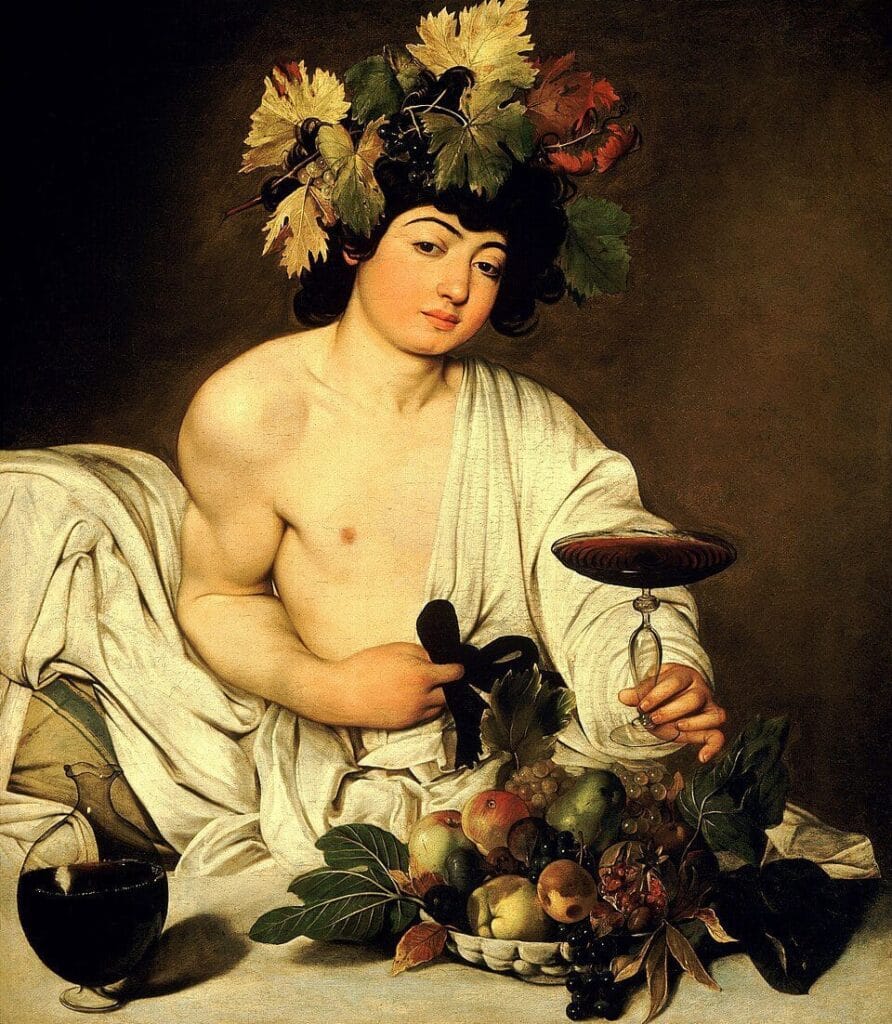
Caravaggio is often portrayed as a self-taught, rebellious genius. In fact, he received serious professional training in Milan, was proud of his connection to the tradition of Titian, and was well acquainted with Renaissance art. His innovation was not the rejection of tradition, but its radical transformation.
Myth №4: His Art Is Only Dark and Violent
While his works are indeed full of tension, they do not depict only violence. His paintings also express repentance, mercy, faith, and human tenderness. Light is just as important as shadow in his art.
The myths surrounding Caravaggio often obscure his true significance. He was not merely a “dark genius” or a “criminal painter.” He was a human being with weaknesses and passions, who brought unprecedented sincerity into art. This sincerity became both the source of his fame and his legend.
Influence on Art
Caravaggio’s style gave rise to an entire movement—Caravaggism. His influence is clearly visible in the works of Rembrandt, Diego Velázquez, and other great masters. He proved that art can be not only beautiful, but also profoundly honest.
Caravaggio represents an artistic phenomenon that placed human experience—its weaknesses and inner conflicts—at the center of painting. His work shows that light and shadow are not merely visual effects, but essential aesthetic and conceptual categories. Through their contrast, dramatic meaning is formed. Thanks to this conceptual tension, Caravaggio’s works transcend their era and remain relevant today, forcing viewers to reflect not only on the subject, but also on their own human nature.
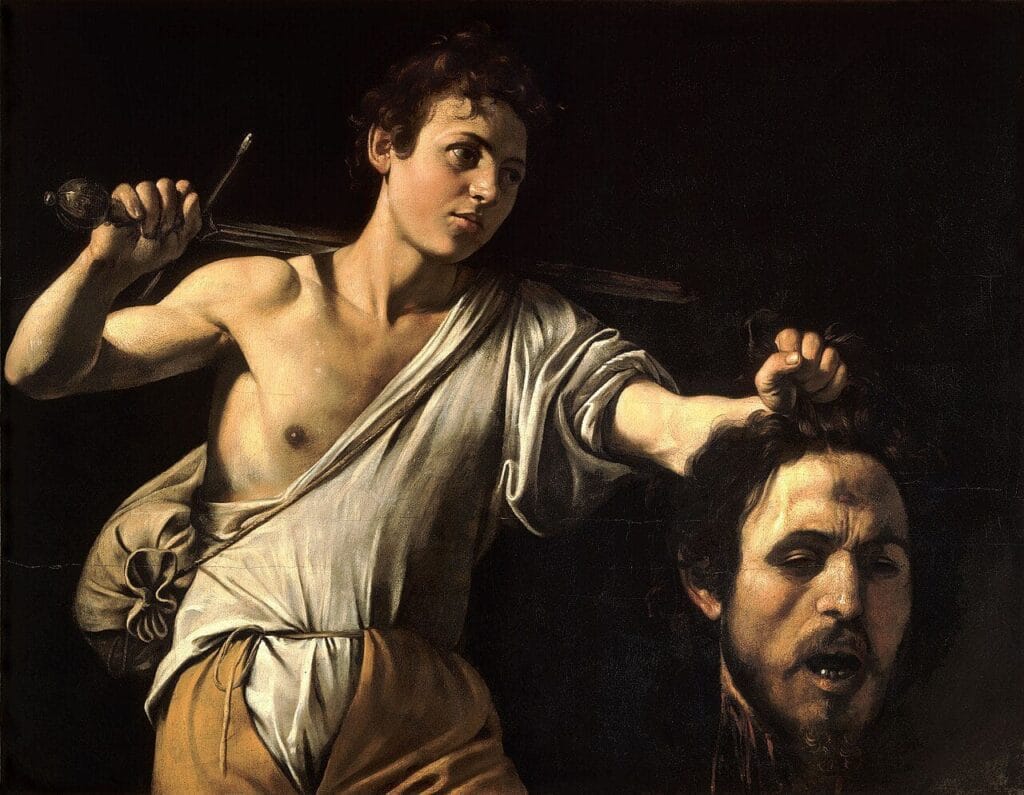


The images used in the article are taken from Wikimedia Commons and are public domain.
If you found the article interesting, share it with your friends and leave a comment.