Leonardo da Vinci — The Genius of the Century
Introduction
Leonardo da Vinci (1452–1519) is considered one of the greatest geniuses not only in painting, but also in engineering, architecture, science, and philosophy. His life and work embody the intellectual, spiritual, and creative rise of the Renaissance. His works continue to inspire not only artists but also scientists and engineers, although many aspects of his personal life remain less known to the general public.

Early Life and Career
Leonardo was born in 1452 in the small town of Vinci, Italy. He was the illegitimate son of a wealthy notary, Piero da Vinci, and a peasant woman named Caterina. He initially lived with his mother, but from the age of three, his father took him in and raised him. According to tradition, Leonardo never saw his mother again and spent his life trying to recreate her face, which influenced his art.
His father recognized his talent early and ensured he received professional training in art. From a young age, Leonardo showed exceptional observational skills and artistic ability. At 14, he moved to Florence and became an apprentice in the workshop of the famous artist Andrea del Verrocchio.
One of his earliest contributions was in the painting The Baptism of Christ, where Leonardo painted two angels. According to legend, Verrocchio, impressed by his student’s superiority, abandoned painting altogether.

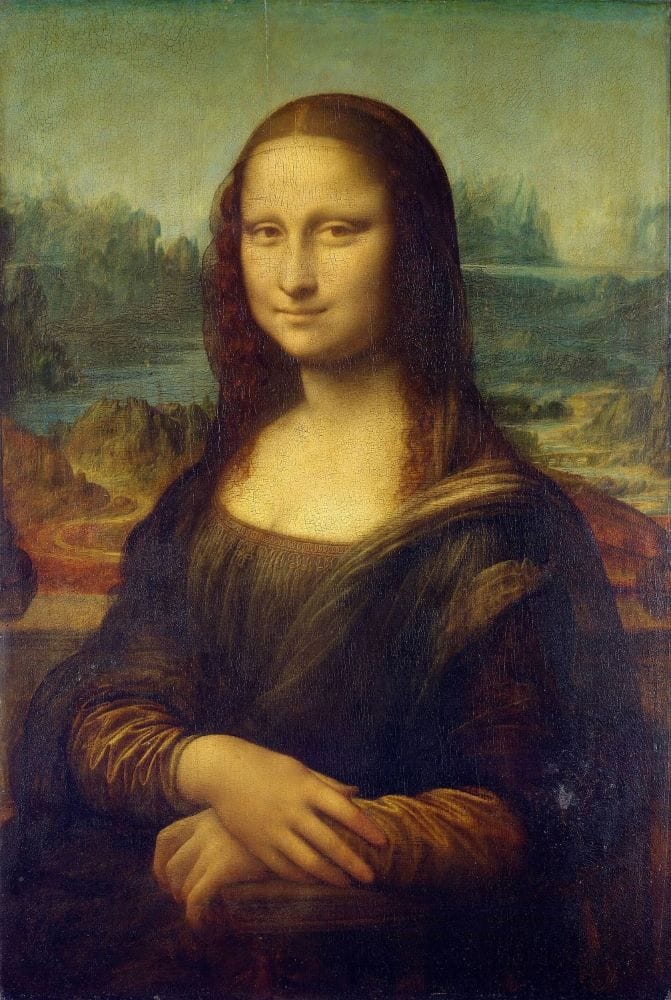
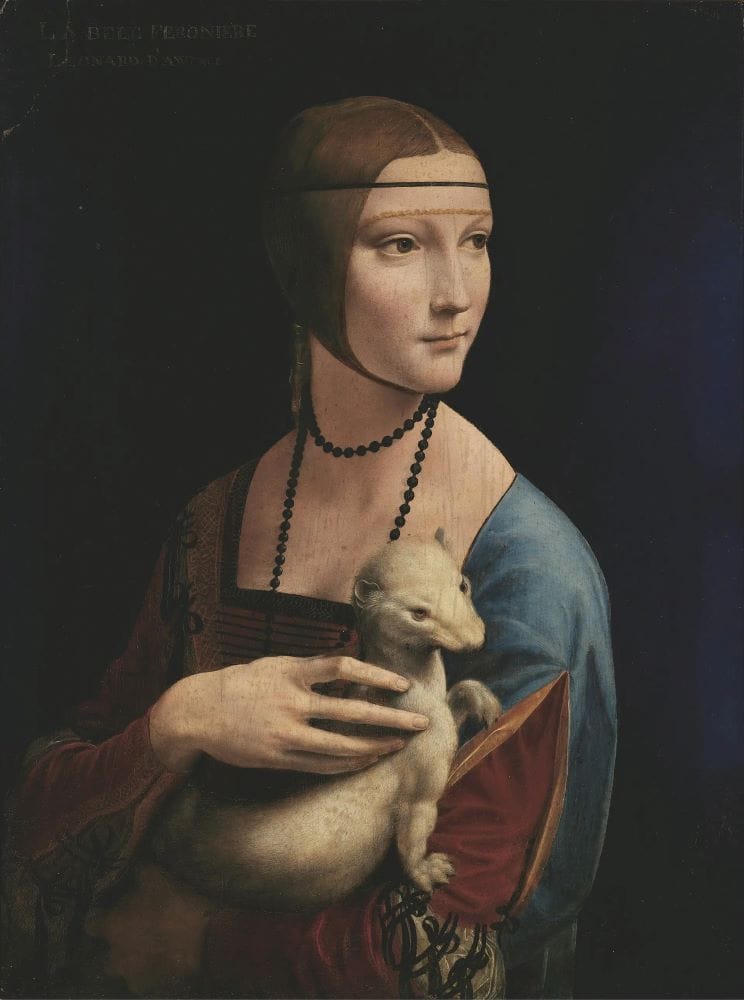
In 1482, Leonardo moved to Milan, where he worked as a court artist and engineer for Ludovico Sforza. During this period, he created some of his most important works, including Mona Lisa and Lady with an Ermine.
Leonardo never limited himself to one field. He viewed art, science, medicine, and engineering as interconnected disciplines, making him a true universal genius of the Renaissance.

Works and Innovations
Painting
Leonardo’s paintings are still regarded as priceless masterpieces of world art:
- Mona Lisa (c. 1503–1506): Famous for its mysterious smile, which continues to spark scientific and artistic debate.
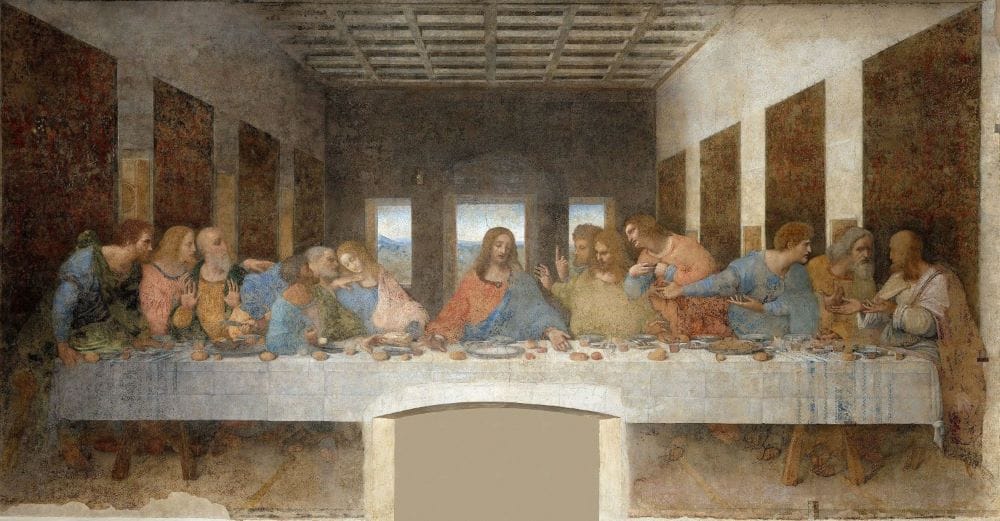
- The Last Supper (1495–1498): Depicts Jesus and his disciples at the moment he reveals that one of them will betray him.
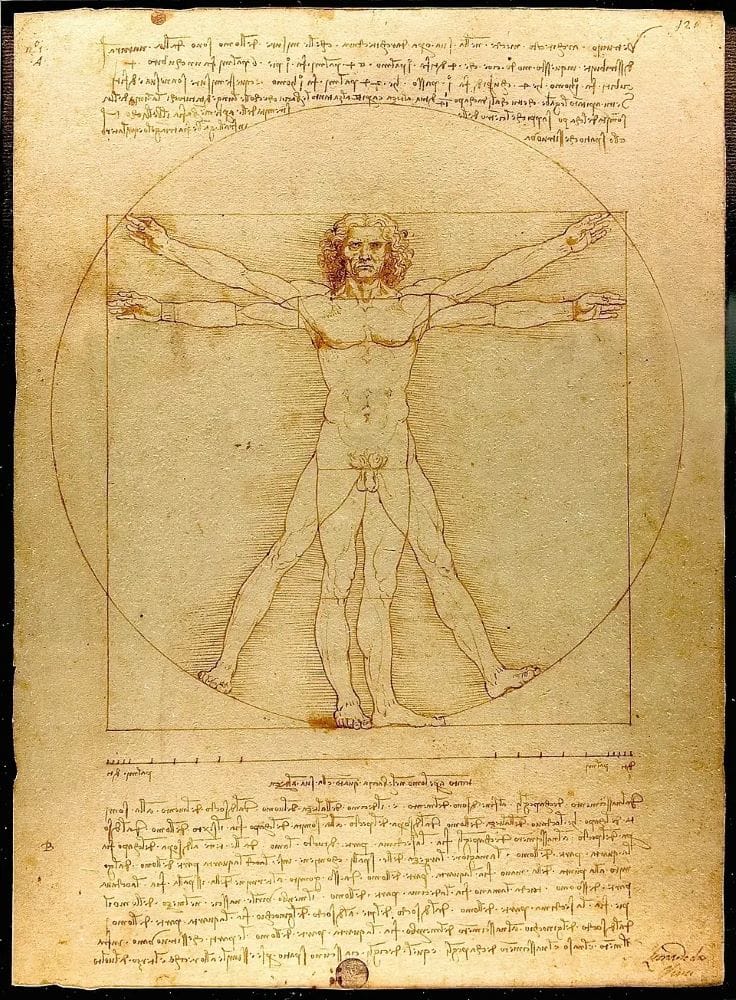
- Vitruvian Man: A study of human body proportions within a circle and square.
Leonardo also designed systems related to flight, mechanics, and hydraulics, far ahead of his time. Many of his mechanical sketches were later studied by modern engineers.
Medicine and Observation of Nature
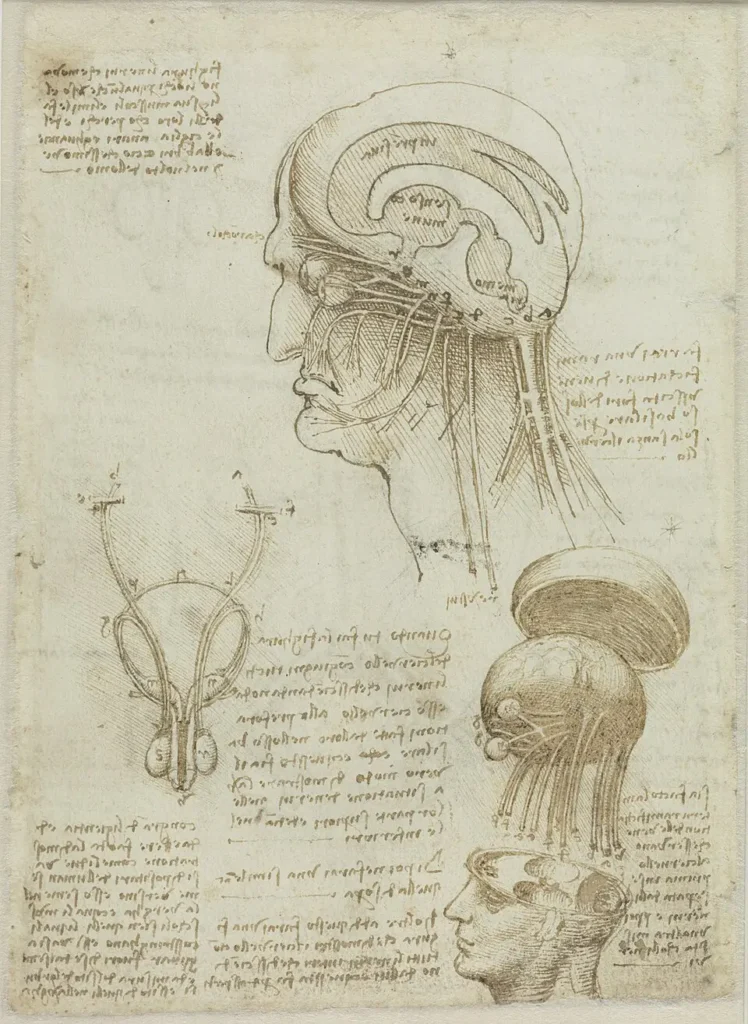
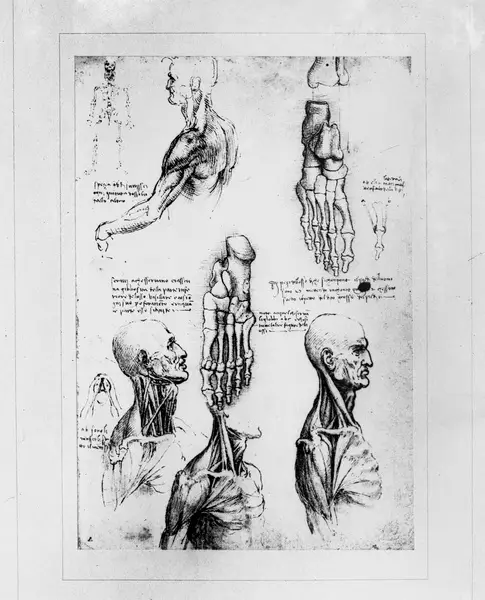
Leonardo conducted anatomical studies by examining human bodies. His notes describe in detail the structure of the human body, blood flow, and muscle movement — groundbreaking work for his time.
Lesser-Known Facts
- Many of his works remained unfinished during his lifetime.
- He often encoded scientific and philosophical ideas in his paintings.
- Some of his engineering designs were experimental and never built.
- His artworks often represent ideas and concepts rather than just portraits.
Legacy



Leonardo da Vinci remains a symbol of a multidisciplinary genius, combining art, science, and philosophy. His works and ideas continue to inspire people worldwide.
His life shows that genius is not limited to a single talent — it is shaped by curiosity, observation, experimentation, and constant creative exploration. For Leonardo, knowledge was a continuous process, and art and science were deeply interconnected ways of understanding the world.
That is why his legacy belongs not only to the Renaissance — it remains a source of inspiration today.
The images used in the article are sourced from Wikimedia Commons and are public domain materials.
If you found the article interesting, share it with your friends and leave a comment.