The Biggest Lies in History
History is usually written by the victors. That is why, for centuries, people have believed in “facts” that later turned out to be half-truths, distorted realities, or outright lies. Some of them were even taught in schools.
Here are some of the most famous and influential myths in history:
1. Napoleon Bonaparte Was Short
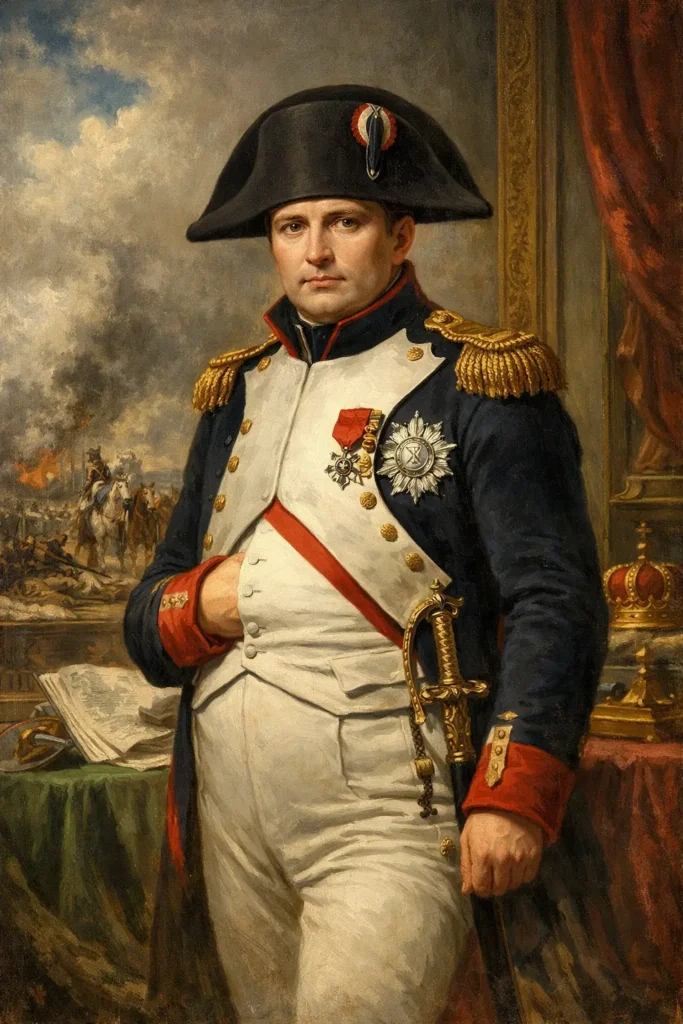
One of the most widespread myths claims that Napoleon was a short man with an inferiority complex.
In reality, his height was not below average for his time.
Why did this myth spread?
It was the result of British propaganda — it’s easier to mock an enemy when you portray him as physically “small.”
Result: The term “Napoleon complex” is still used in psychology today.
2. Vikings Wore Horned Helmets
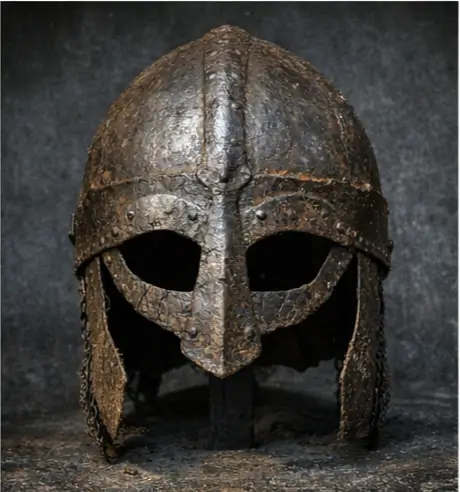
In movies, comics, and games, Vikings are often depicted wearing horned helmets.
However, archaeological evidence shows that real Viking helmets did not have horns.
This myth originated from 19th-century opera and theater costume designers, who added horns for dramatic effect.
3. Christopher Columbus Proved the Earth Is Round
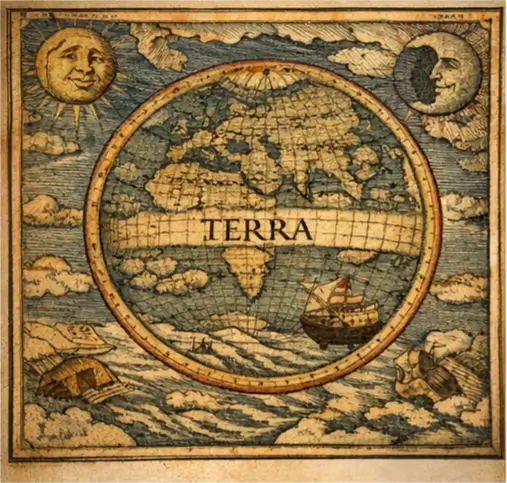
This is one of the most famous historical myths.
In reality:
- The Earth’s round shape was known since ancient Greek times
- Most of Columbus’s contemporaries did not deny this
His real mistake was underestimating the size of the Earth
4. People Didn’t Wash in the Middle Ages
The Middle Ages are often described as a “dirty era.”
In reality:
- Public baths existed
- Cleanliness was part of social and religious norms
While hygiene did not match modern standards, total uncleanliness is a myth.
5. The Egyptian Pyramids Were Built by Slaves

This is one of Hollywood’s most popular myths.
Archaeological evidence shows that the builders were:
- Paid workers
- Skilled craftsmen
- People serving the state
They had housing, food, and even medical care.
6. Albert Einstein Was a Poor Student
A popular motivational myth on social media.
In reality:
- Einstein was exceptionally strong in math and physics
- He only struggled in some humanities subjects
This myth supports the false idea that genius appears suddenly.
7. “History Is Always Objective”
This is perhaps the biggest lie.
History depends on:
- The author
- The era
- Politics
- The winners
Many facts were hidden or deliberately altered for centuries.
History is not an untouchable truth — it constantly changes with new discoveries, research, and reinterpretations.
Myths and lies are often more comfortable than complex reality.
That’s why studying history means not only learning the past, but also questioning and searching for truth.
If you found the article interesting, share it with your friends and leave a comment.