Boxing History — from ancient fighting to modern legends
Boxing is one of those sports that time seems not to touch. It existed long before sport was even formed as a concept and remains to this day one of the simplest, yet at the same time one of the most difficult-to-understand competitions. Two people, one ring — and a fight where, along with strength, tactics and strategy also play a decisive role.
The first trace where boxing appears in history

The oldest visual evidence of a boxing-like fight is found in ancient Egypt. On temple walls and frescoes, people are depicted fighting each other with their fists.
This was not sport in the modern sense. There were no rules, rounds, or referees. But one thing is clear — humans already understood that direct physical confrontation was the simplest and clearest form of strength.
Egyptian scenes resemble military training or ritual combat more than competition. But it is precisely here that the first idea appears: a person competes with another not with weapons, but with the body.
Greece — where fighting became part of culture
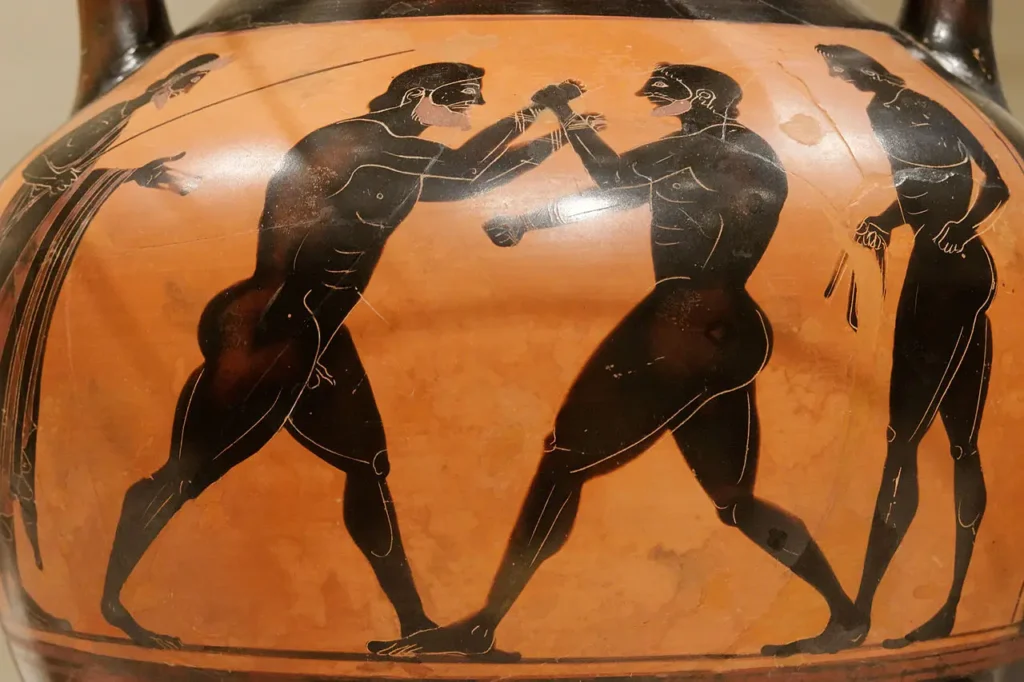
Centuries pass and boxing moves to Greece, where it also gets a name. It is called pygmachia.
Here everything changes. Fighting is no longer just a demonstration of strength — it becomes part of culture, a discipline of the Olympic Games, and a test of honor.
In Homer’s epics, fist fighting is already part of heroic scenes, where victory means not only strength, but also respect.
Ancient Greek thinkers Socrates, Plato, and Aristotle did not see boxing as chaos. For them it was a discipline that taught a person body control and inner strength.
And an even stranger detail — Pythagoras, whom we know today only for mathematics, is also mentioned in ancient sources as a participant in Olympic competitions as a boxer.
In Greece, boxing was no longer just fighting — it was part of human formation.
Rome and the Middle Ages — when fighting became entertainment
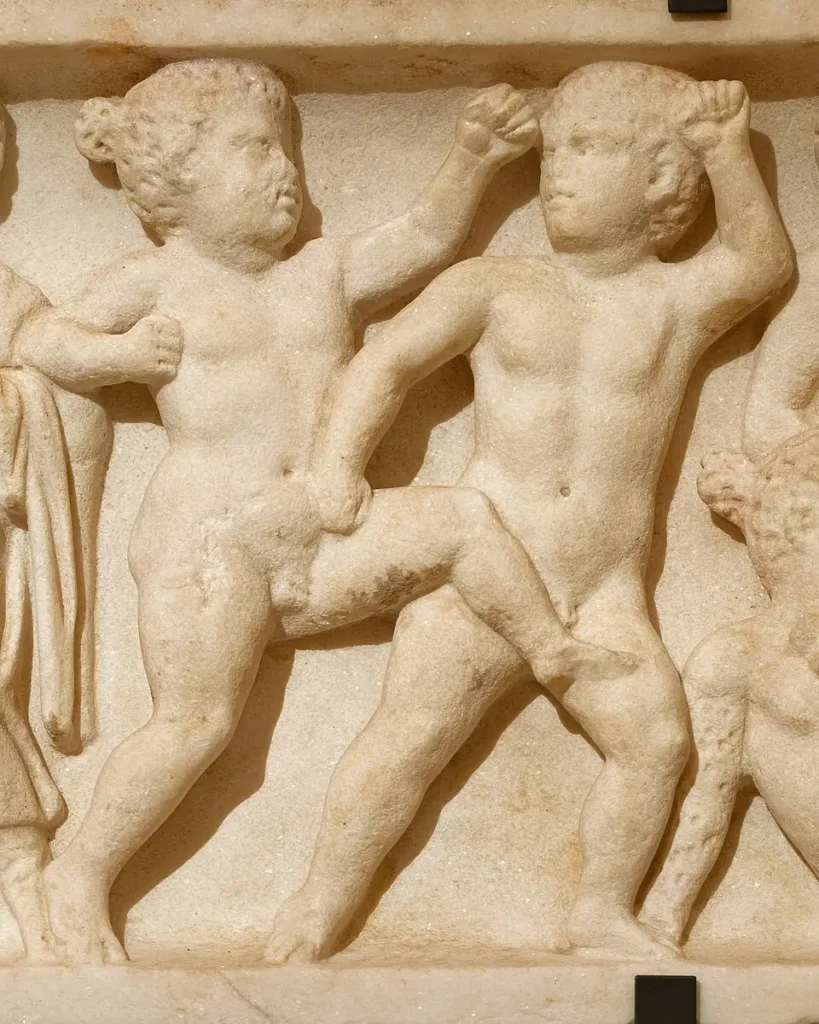
In the Roman Empire, boxing becomes more brutal and spectacular. It sometimes overlaps with gladiatorial fights, where spectators watch blood as entertainment.
Then, after the fall of Rome, boxing almost disappears in organized form. But it does not completely vanish — it moves to the streets.
In Europe, people still fight each other, but without rules. Sometimes it is simple brawling, sometimes a semi-organized competition.
This is a period when boxing seems to be “searching for itself”.
The formation of boxing as a sport
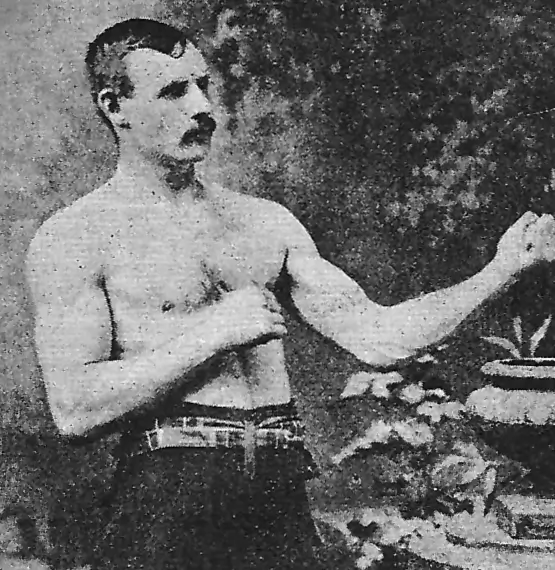
In 19th-century England, boxing is already very popular, but it faces one problem — it is too chaotic.
This is where a turning point appears — the “Queensberry Rules”.
These rules change everything:
Gloves are introduced
Fights are divided into rounds
Structure and a minimal safety framework are established
From this moment on, boxing becomes a sport where strength alone is no longer enough. The era of tactics, calculation, and psychology begins.
Boxing worldwide — the birth of a new culture
From England, boxing quickly spreads around the world.
In America, it becomes a professional business. In Latin America — a path for social rise. In Asia and Africa — a chance for a person to change their life.
The ring becomes a place where people no longer fight only their opponent — they also fight their own life.
Boxing legends — people who turned sport into history
In the 20th century, boxing is no longer just a sport. It is a stage where people become legends.
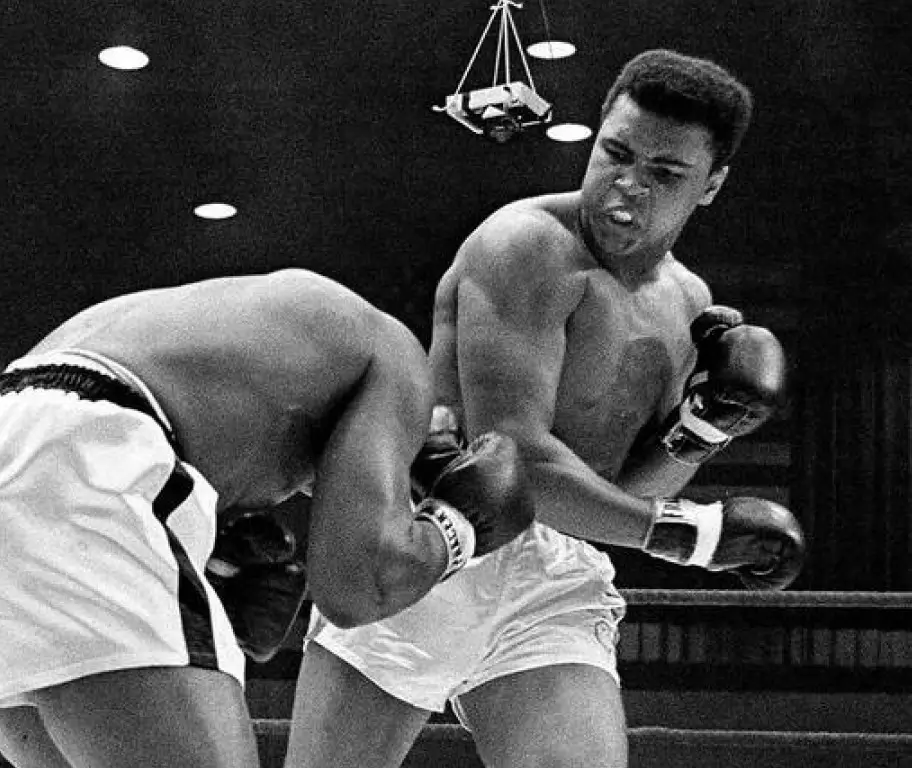
Muhammad Ali was a man who turned boxing into a stage. His movement in the ring seemed against gravity. But his real power was in words and ideas — he became not only a sports legend but also the voice of an era.
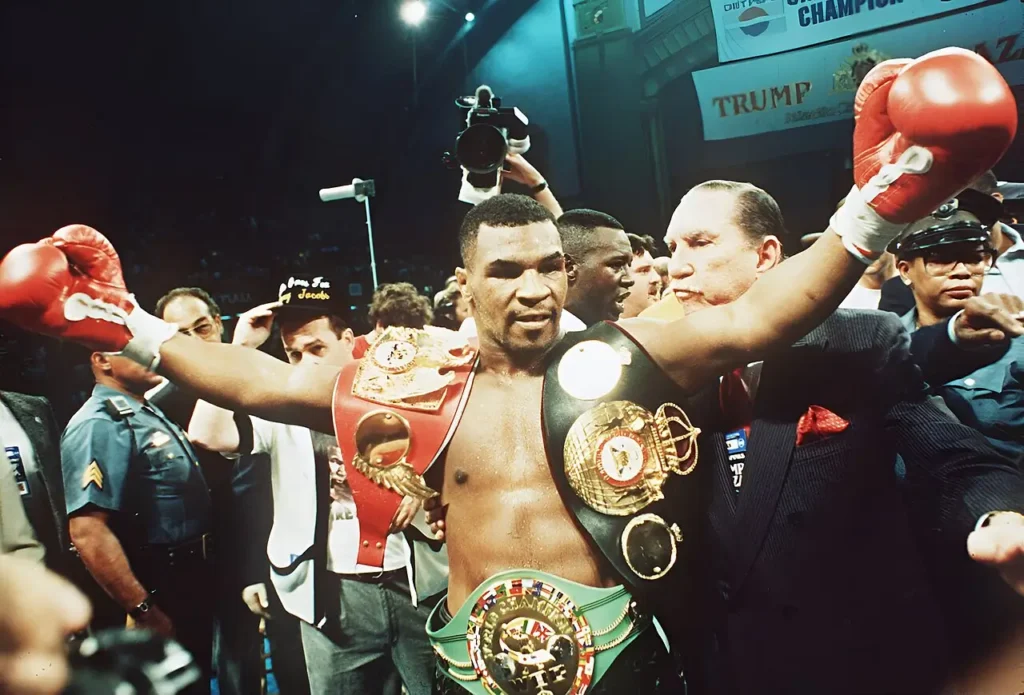
Mike Tyson was fear turned into form. His fights often ended in a few minutes because, through psychological pressure, he was already winning before the fight even began.
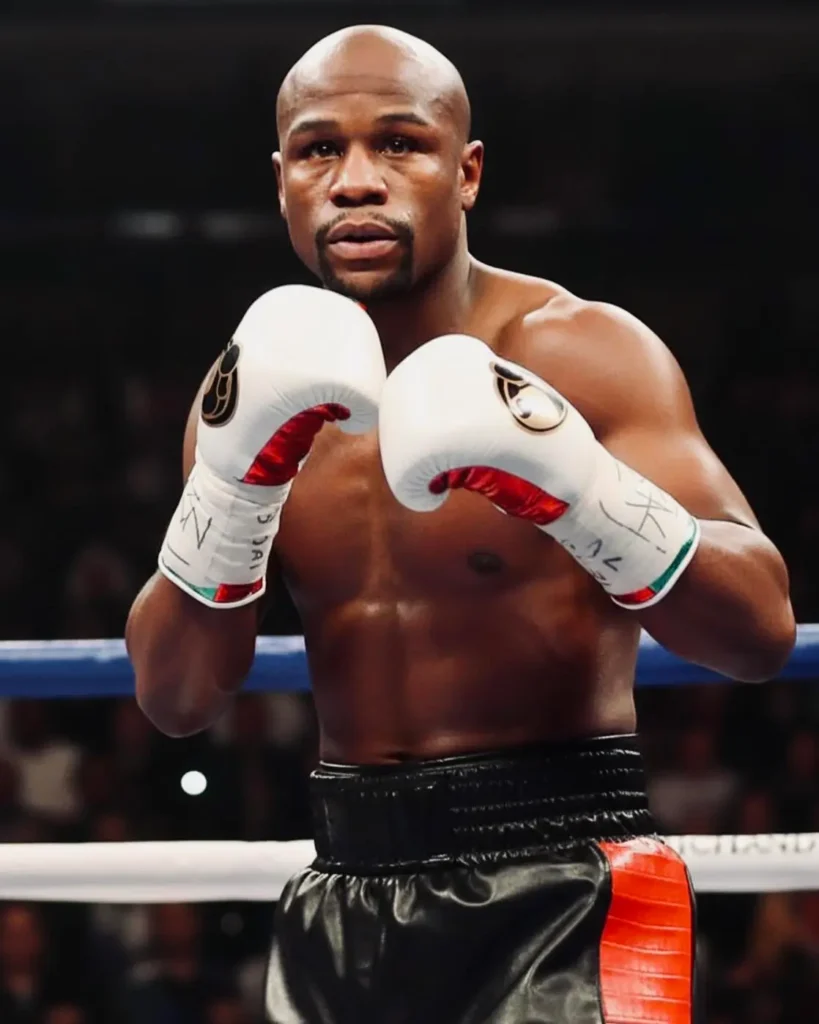
Floyd Mayweather Jr. was a master of control. He never took unnecessary risks and ended his career undefeated — 50 wins, 0 losses.
Rocky Marciano was a symbol of the old school — a brutal, resilient, and undefeated representative of his era, who also ended his career with 0 losses.
The history of world boxing remembers many legendary boxers who gave the ring completely different meanings in different eras. For some, boxing was a demonstration of strength, for others — art, and for others a path from poverty to greatness.
Among them were people who not only won titles but completely changed the perception of boxing in the world. Some remained undefeated until the end of their careers, while others fought in such a style that they left no chance for their opponents.
These legends today go beyond sports history — they have become symbols showing that victory in the ring is not only physical strength. Character, endurance, and inner struggle are decisive there, often more difficult than the confrontation with the opponent itself.

Strange and unbelievable moments
The history of boxing is full of moments that today sound almost unbelievable.
There were fights that ended in seconds. There were eras when fights lasted for hours and tested the limits of human endurance.
There were also tragic cases that forced boxing to become a safer and more controlled sport.

When boxing became a business
Over time, boxing stopped being only a sport. It turned into a global industry where fights became events worth hundreds of millions of dollars.
The ring became a place where sport, media, and finance collide at the same time.
Conclusion — why boxing remains an eternal sport
Boxing does not disappear because it contains a very simple truth:
👉 The desire for human struggle always exists — both outside and inside.
And that is why, even thousands of years later, two people in a ring still create one of the most honest stories.
The images used in the article are sourced from Wikimedia Commons and are in the public domain.
If you found the article interesting, share it with your friends and leave a comment.