
Colchis’ Gold and the Myth of the Argonauts
A legend with a real historical foundation
Introduction
One of the most famous stories of ancient Greek mythology — Jason and the Argonauts’ quest for the Golden Fleece — was long considered a fairy tale and pure fantasy. However, modern historical, archaeological, and ethnographic research suggests that behind this myth may lie entirely real events, centered around ancient Georgia — Colchis.
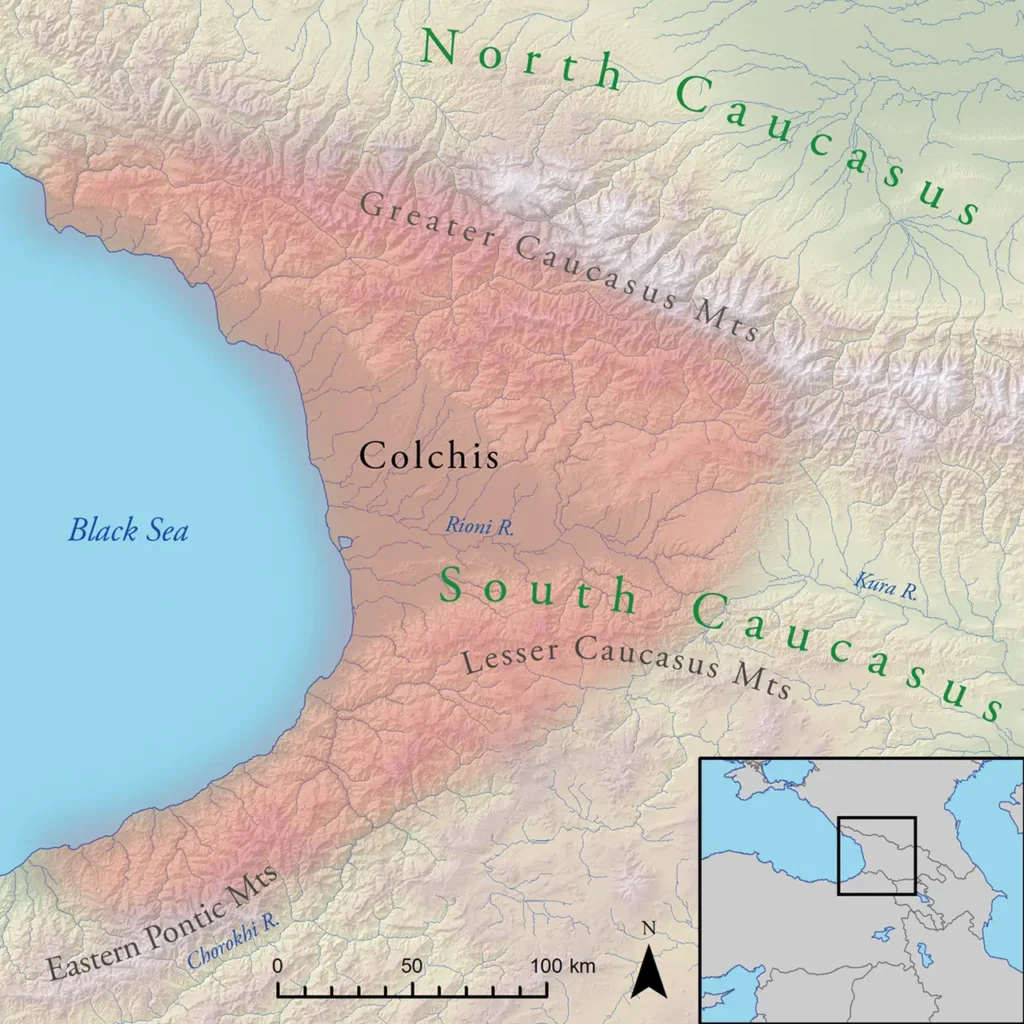
What Was Colchis in the Ancient World
Colchis was located on the eastern coast of the Black Sea and was known in the ancient world as a rich, powerful, and technologically advanced region. Ancient authors describe Colchis as a land where the following were highly developed:
- Metallurgy
- Gold processing
- Trade connections with Greece and the Near East
The wealth of Colchis was especially attractive to the Greeks, as gold at that time was not only a precious metal but also a symbol of power and divine blessing.
The Golden Fleece — Symbol or Technology?
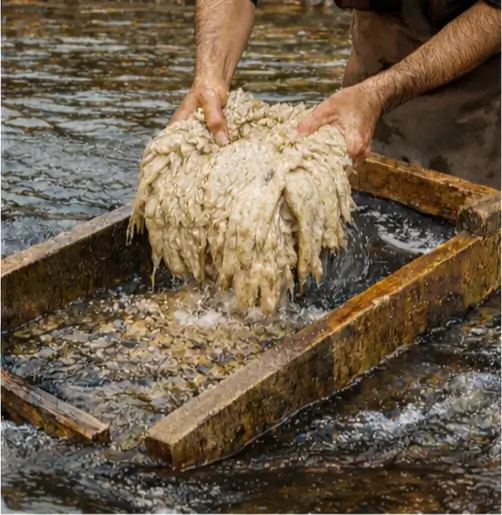
Today, some historians believe that the “Golden Fleece” may not have been a mythical object but rather a symbol of real technology. Since ancient times, a unique method of gold extraction existed in Colchis:
Sheepskins were placed in mountain rivers, where gold dust and particles would get trapped in the wool. After drying, the fleece would shine with a golden color.
This practice is ethnographically documented and was used in some regions even into the 20th century. This method may have inspired the Greek imagination.
Jason and the Argonauts — Historical Context
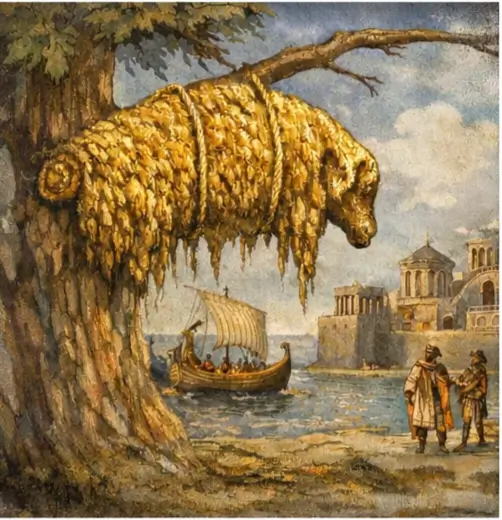
According to the myth, Jason traveled from Greece to Colchis to obtain the Golden Fleece. From a historical perspective, this story may reflect:
- Greek attempts to expand into the Black Sea region
- Interest in Colchis’ wealth and technologies
- The strengthening of trade and political ambitions
Jason and his companions may symbolically represent Greek traders and adventurers seeking access to Colchis’ resources.
Medea — A Figure of Knowledge
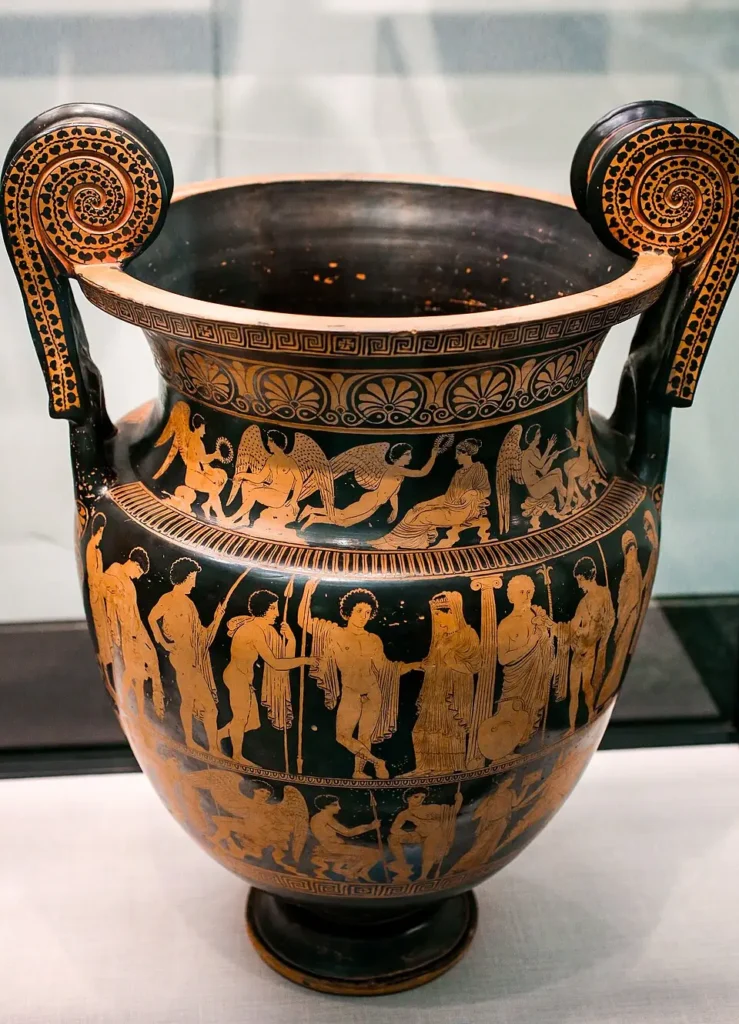
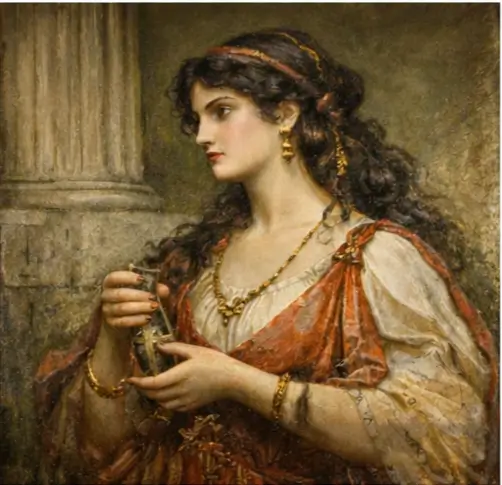
A key figure in the myth is Medea, the daughter of the King of Colchis. She is portrayed as a powerful, educated woman possessing magical knowledge. Modern researchers suggest that Medea may represent Colchian expertise in medicine, chemistry, and metallurgy, which appeared mysterious to the Greeks.
Her character highlights that Colchis was rich not only in gold but also in knowledge.
Archaeological Evidence
Archaeological discoveries in the region of Colchis include:
- Ancient gold jewelry
- Advanced metallurgical artifacts
- River-based economic systems
These findings confirm that Colchis was indeed one of the leading regions in metallurgy and gold processing.


A Myth That Became History
The story of the Argonauts is not just a fairy tale. It is an example of how real historical events can transform into mythological narratives over time. The gold of Colchis and its extraction technology impressed the ancient Greeks so much that it became legend.
The story of Colchis’ gold and the Argonauts shows that the territory of Georgia has been at the center of world civilization since ancient times. It also reminds us that myth and history are often deeply intertwined, and behind legends there are often real and remarkable truths.
The images used in the article are sourced from Wikimedia Commons and are public domain materials.
If you found the article interesting, share it with your friends and leave a comment.