Forbidden Art
Art has not always been only aesthetic pleasure. In many eras it was perceived as a threat, a violation of morality, or a political provocation. That is why, throughout history, many works of art were banned, hidden, or destroyed. Today these works are considered part of the world’s cultural heritage, although in their time they caused fear and outrage in society.
Why was art banned?
The reasons for banning were often the same:
- Violation of religious beliefs
- “Violation” of moral norms
- Political messages
- Depiction of nudity and the human body
- Critical attitude of the author toward power
Art that today appears to us as a symbol of freedom was in the past often a victim of censorship. Below are some examples where artworks were banned and artists were condemned:
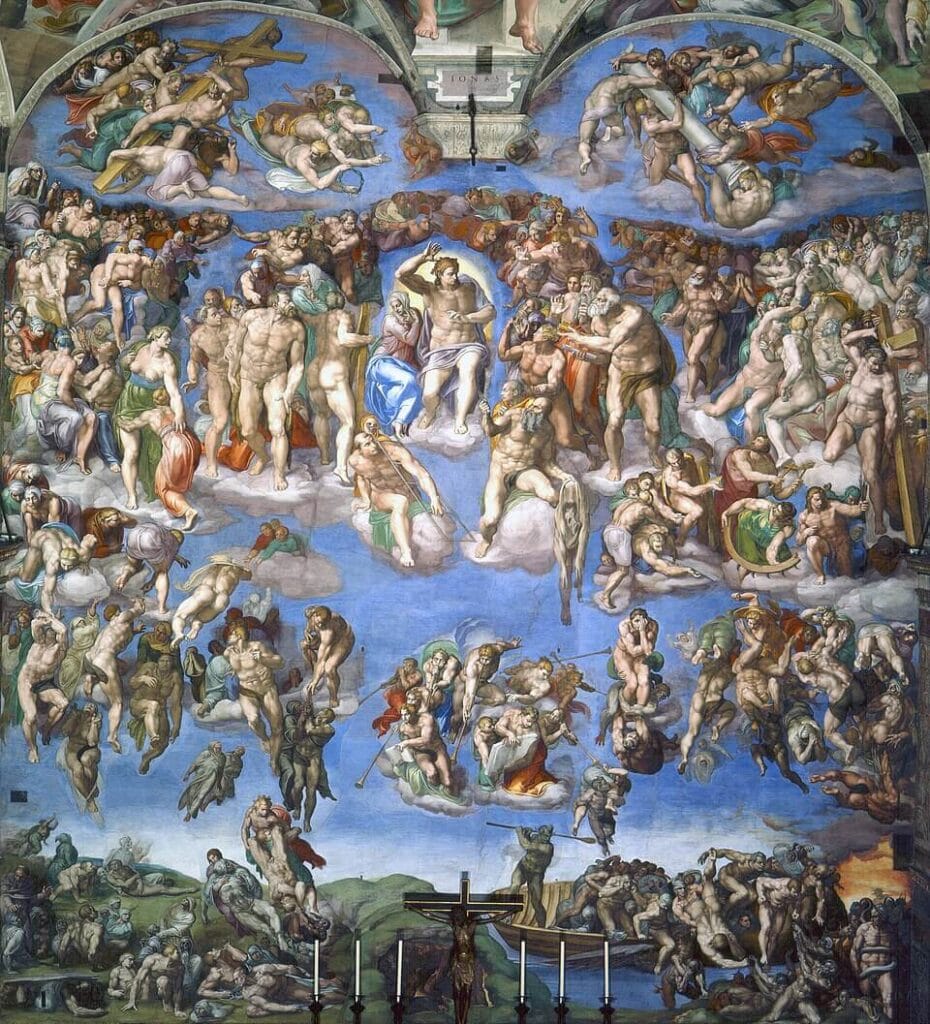
Michelangelo’s “The Last Judgment” — scandal in the Vatican
Michelangelo’s fresco in the Sistine Chapel — “The Last Judgment” is today considered one of the greatest masterpieces, but its completion was followed by a major scandal. The main problem was the nude figures, which were considered unacceptable for the Church. Parts of the fresco were later “covered,” and clothes were painted on the bodies in order to place them within “moral boundaries.” This is one of the first known cases where a work of art became a victim of censorship by the Church.
Francisco Goya — paintings that society should not see
The Spanish painter Francisco Goya’s “Black Paintings” were so shocking for their time that even the author himself did not exhibit them publicly. The works are filled with dark tones, scenes of violence, and human fears. Goya painted them on the walls of his own house, and this style was so unacceptable for society that he preferred to keep them secret. The public saw these works only after the artist’s death.


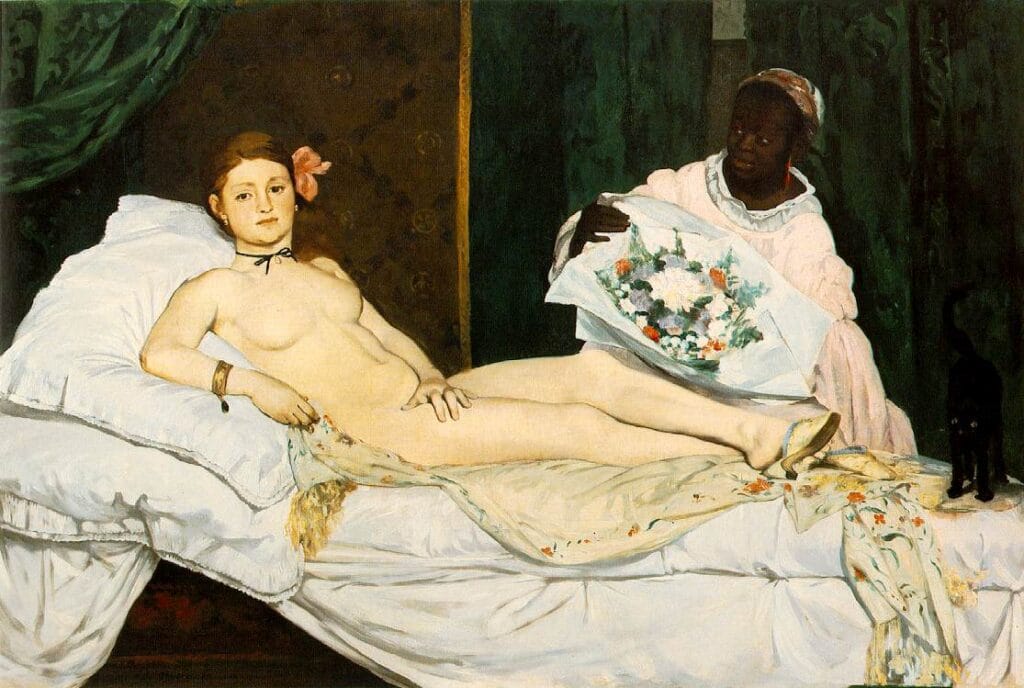
Édouard Manet’s “Olympia” — the painting that shocked Paris
In 19th-century Paris, Manet’s “Olympia” became a scandal. Nudity was not the main problem — the problem was the woman’s gaze. The woman in the painting looks directly at the viewer, which at that time was considered unacceptable and “immoral.” Part of society considered the work obscene, although today it is regarded as one of the turning-point works of modern art.
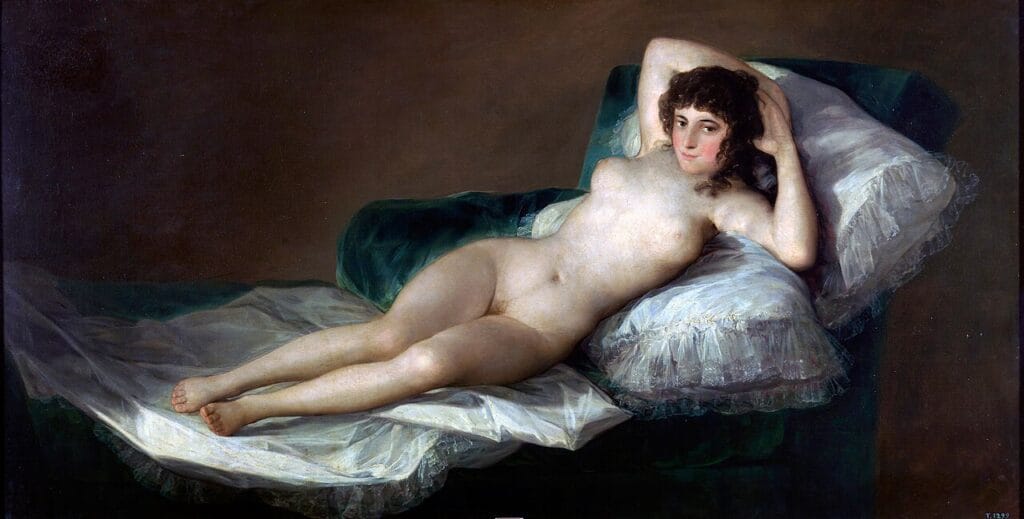
Francisco Goya — “The Nude Maja”
In Spain, this work by Goya came to the attention of the Inquisition. The woman is depicted without idealization, realistically, which was unacceptable for the Church. Goya was summoned for questioning, and the painting was hidden for a long time. Today “The Nude Maja” is one of the most famous exhibits of the Prado Museum in Madrid.
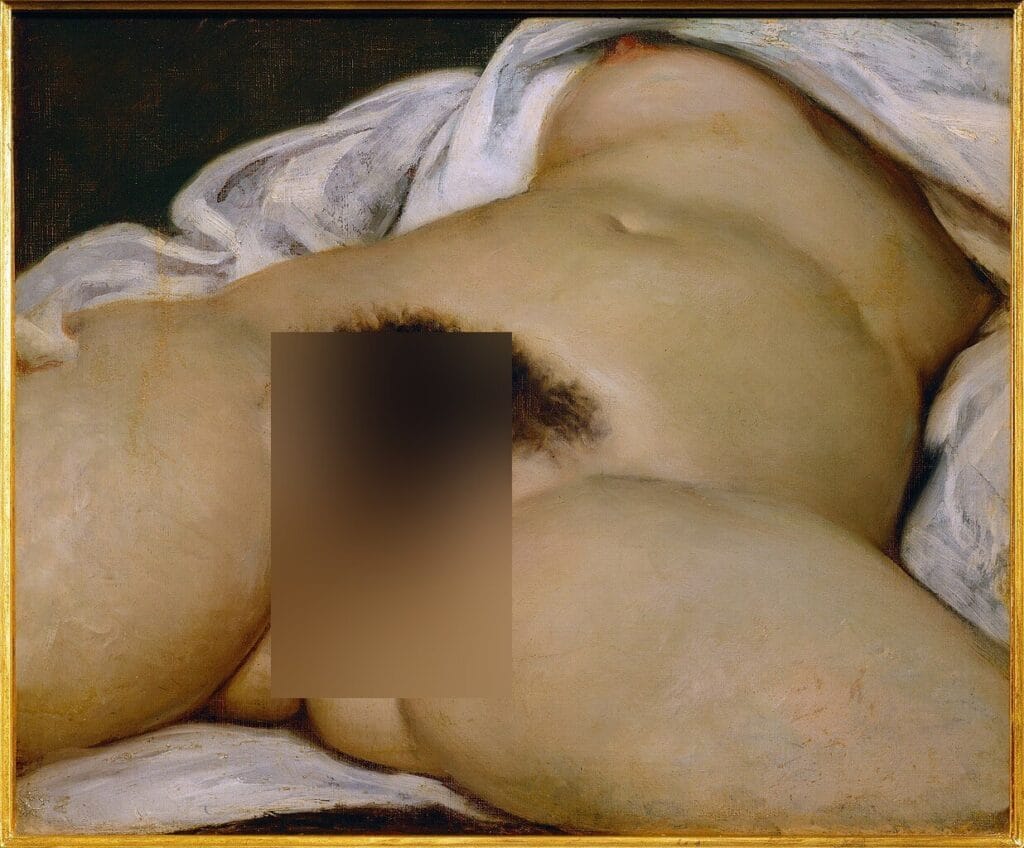
Gustave Courbet — “The Origin of the World”
This painting was closed to the public for almost a century. Its direct and explicit content was considered so scandalous that museums avoided exhibiting it. Only in the 20th century did it become possible to show the work publicly, which clearly demonstrates how cultural boundaries change over time.
Forbidden art today
What is most interesting is that prohibition often made many works immortal. Censorship often increased interest, strengthened the symbolic meaning of the work, and turned art into a form of resistance. Today museums proudly exhibit works that were once banned. Forbidden art reminds us that culture is in constant struggle between freedom and restriction. Its norms are constantly changing — what was once unacceptable and dangerous in one era may later become a pillar of world culture.
Even today, in some countries, not only works of art but entire fields of art are banned for religious, political, or social reasons.
Art that is banned often speaks the truth the loudest. It is a form of freedom, and artworks carry not only aesthetic but also historical and social value. Forbidden art shows the fears, limits, and contradictions of society. These works changed the history of art and expanded the space in which we can today think, see, and express freely.
The images used in the article are sourced from Wikimedia Commons and are in the public domain.
If you found the article interesting, share it with your friends and leave a comment.