
The History of the Creation of the Internet
Today, the internet is an inseparable part of our daily lives. We use it to search for information, communicate, work, and entertain ourselves. However, few people know that this global network was not originally created for civilian purposes. Its roots should be traced back to military strategy and Cold War fears.
The Cold War and the Idea of Surviving Information
In the 1960s, the world was divided into two blocs. The USA and the Soviet Union were preparing for a nuclear conflict. American military strategists were concerned with one important question:
What would happen if communication centers were destroyed by a nuclear strike?
At that time, communication depended on centralized systems. Damage to a single central point meant the collapse of the entire network. This is where the idea emerged of creating a network that would not depend on a single location.
ARPANET — The Predecessor of the Internet
The research agency of the US Department of Defense (ARPA) launched a project called ARPANET. Its main goal was to create a network that:
- would continue working even if part of it was destroyed
- would not have a single central control point
- would transmit data through different routes
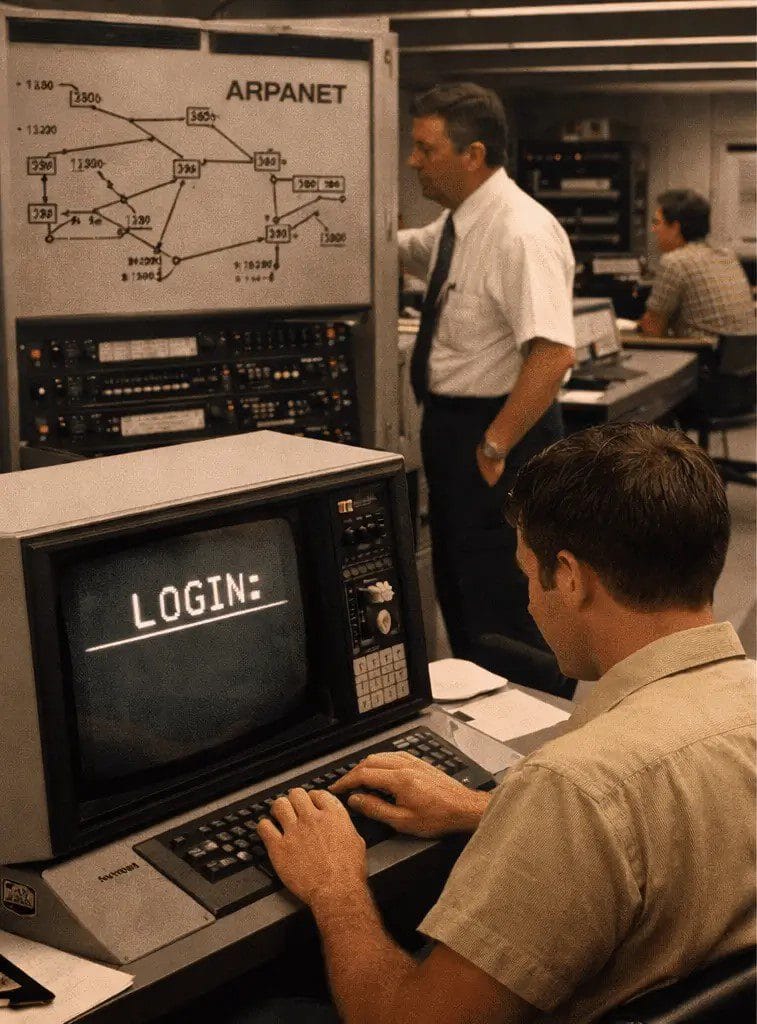
The idea was revolutionary. Information was divided into packets and sent through different paths. If one route was blocked, the system automatically chose another.
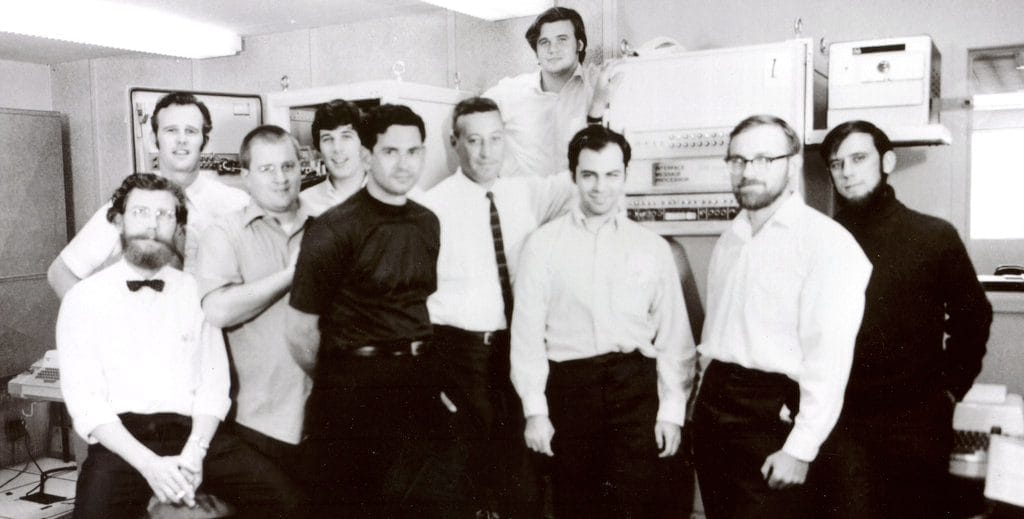
In 1969, ARPANET established its first successful connection between the University of California and the Stanford Research Institute.
How a Military Network Became Civilian
Over time, universities and research institutions joined ARPANET. Scientists quickly realized that the network was ideal for sharing information and research.
In the 1980s, a common communication language was created — the TCP/IP protocol, which connected different networks together. From this moment begins what we today call the internet.
In the 1990s, the world was introduced to the World Wide Web — websites, links, and browsers. The internet finally moved beyond military and academic circles and became a mass communication tool.
Why No One Can Control the Internet
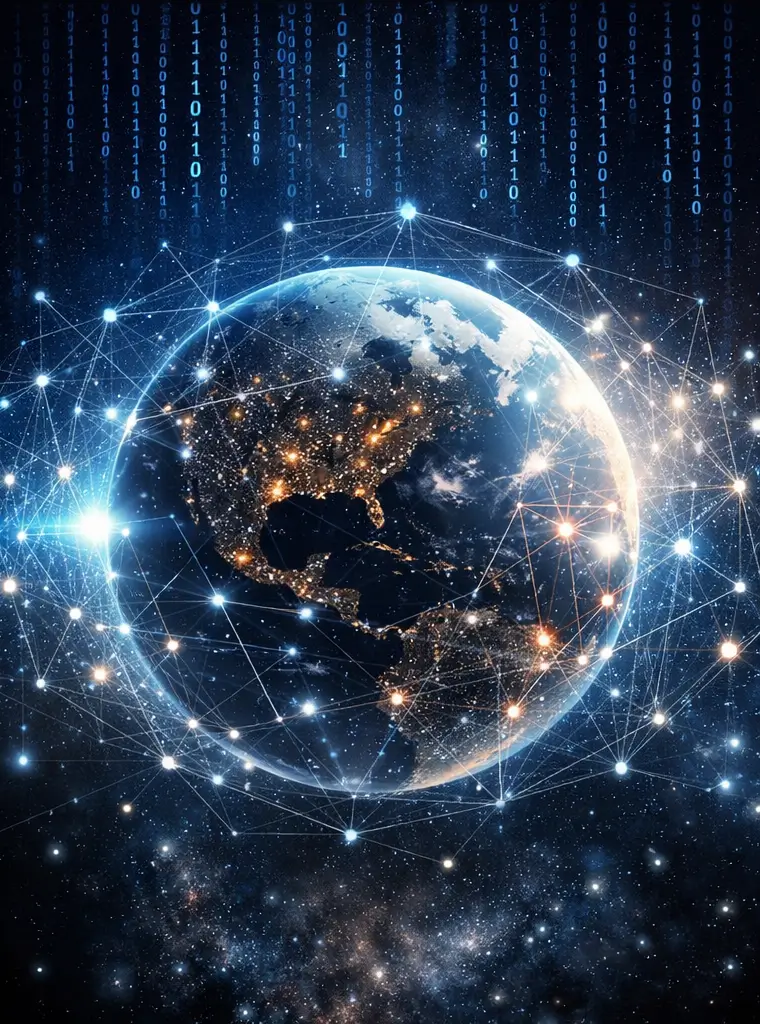
The main feature of the internet is its decentralized nature. It has no single owner, no single server, and no central control point.
The internet consists of:
- millions of independent servers
- thousands of networks
- infrastructure from different countries
Although there are organizations that regulate technical standards, they do not control content or the entire network.
For this reason:
- a complete shutdown of the internet is practically impossible
- full control of information cannot be achieved
- one country’s decision cannot control the whole network
Freedom and Problems
Decentralization gave the internet enormous power, but it also created problems. Free information means:
- freedom of speech
- access to knowledge
- global connectivity
But also:
- misinformation
- cyberattacks
- privacy issues
The internet is neither “good” nor “bad” — it is a tool, and its use depends on people.
The internet was born as a military security project, but over time it became one of humanity’s most powerful communication systems. Its decentralized structure is exactly the reason why no one can fully control it.
This network is both a symbol of freedom and a test of responsibility. A question arises:
Who will develop faster — technology or our ability to use this powerful tool in a way that benefits us and society?
Images used in the article are taken from Wikimedia Commons and are in the public domain.
If you found the article interesting, share it with your friends and leave a comment.