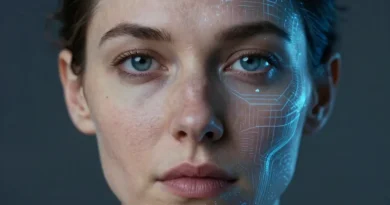
A Computer That Thinks — Neuromorphic Chips
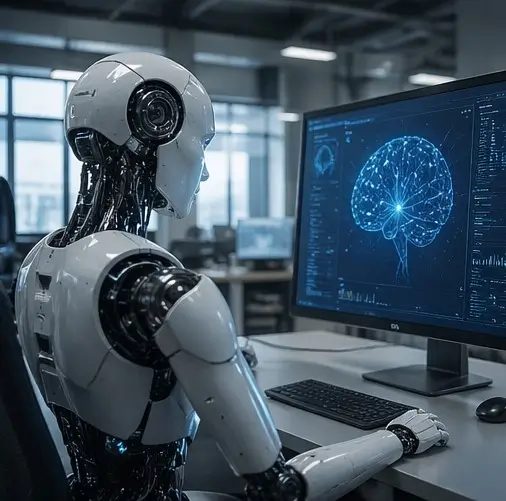
Technology is evolving faster every day, but there is one direction that may surpass everything — computers that think like humans.
This is not science fiction. It is a real field known as neuromorphic engineering.
What is a neuromorphic chip?
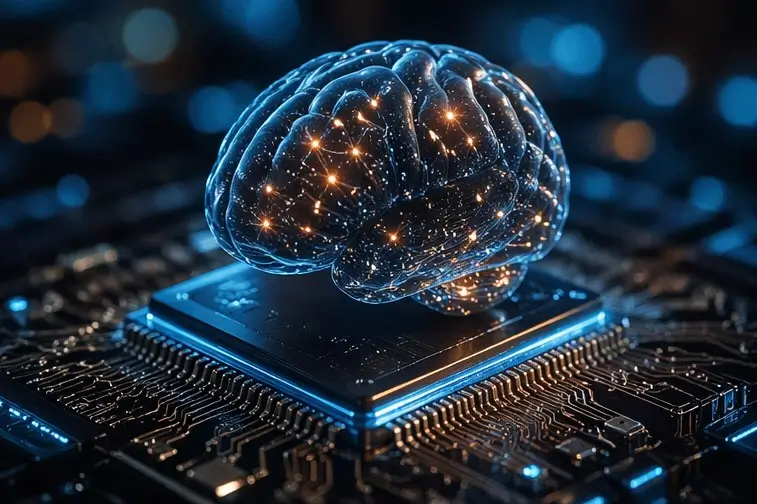
Traditional computers operate based on strict logic — “0” and “1”, predefined commands.
But the human brain works in a completely different way:
- It processes information in parallel
- It learns from experience
- It adapts to its environment
Neuromorphic chips aim to replicate this — they imitate the neurons of the human brain.
👉 Simply put:
This is a chip that doesn’t just calculate — it learns.
Why is this technology revolutionary?
Neuromorphic systems completely change our understanding of computers:
1. Real-time learning
Such chips can learn from experience — just like humans.
2. Minimal energy consumption
The human brain uses about 20 watts — almost nothing compared to a supercomputer.
Neuromorphic chips aim for similar efficiency.
3. Parallel thinking
Traditional processors work step-by-step, while these chips handle multiple processes simultaneously.
Where is it used already?
This technology is still developing, but real examples already exist:
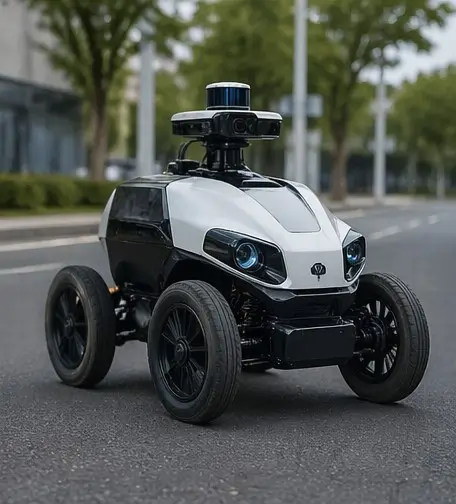
- Self-driving cars
- Robotics
- Smart cameras (that can “understand” what they see)
- Medical diagnostics
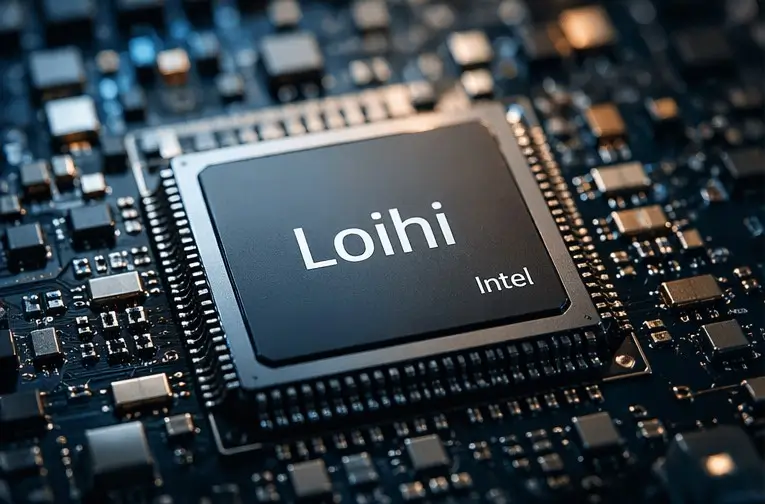
Major companies are actively working on this, for example Intel’s Loihi chip, which functions similarly to neurons.
How does it work?
A traditional chip uses transistors.
A neuromorphic chip uses:
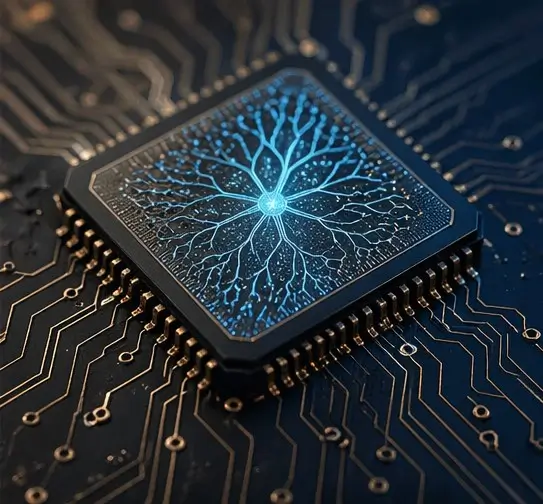
- Artificial neurons
- Synapse-like connections
This creates a network that closely resembles the human brain.
👉 In other words:
A computer is no longer just a “machine” — it becomes a learning system.
Risks and questions
Like any powerful technology, it has a darker side:
- What happens if computers become too “intelligent”?
- Is it possible to lose control?
- Will this replace humans in many professions?
These questions are already actively discussed among scientists and tech experts.
The future: Human vs Machine?
In the coming decades, we may see:
- Computers that learn on their own
- Systems that can imitate emotions
- Technology that matches (or surpasses) the human brain
And then the main question will be:
👉 If a machine can think — is it still just a machine?
Conclusion
Neuromorphic chips are not just a technological innovation —
They are a step toward a world where the line between humans and machines gradually disappears.
The future has already begun — and it may be far stranger than we imagine.
If you found the article interesting, share it with your friends and leave a comment.