
Did Jesus Really Exist? – Historical Evidence
Many believers consider Jesus of Nazareth to be one of the most important figures in world history. However, there are people who doubt that he ever existed at all. According to a 2022 survey, 10% of adults in the United States did not believe that Jesus was a real person, while 14% were unsure.

Most scholars who study the texts of the New Testament agree that Jesus did indeed exist. Lawrence Mykytiuk, a professor of Jewish studies at Purdue University, notes that even in ancient times, no one seriously questioned Jesus’ existence. “Jewish rabbis, who did not like Jesus or his followers, accused him of sorcery and misleading people, but they never claimed that he did not exist,” says Mykytiuk.
Archaeological Evidence
Currently, there is no direct physical or archaeological evidence of Jesus’ existence. Mykytiuk explains: “Ordinary people usually do not leave behind archaeological traces.”
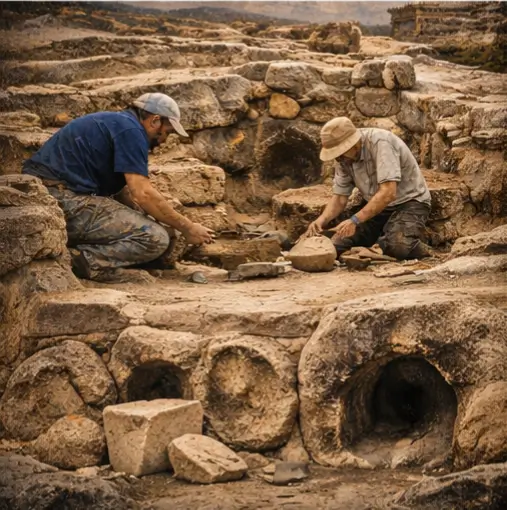
Bart Ehrman, a professor of religious studies at the University of North Carolina and author of Did Jesus Exist?, states that this is entirely normal. “There are almost no archaeological records of people who lived in the first century during Jesus’ time. A lack of evidence does not mean a person did not exist. It simply means that, as was common at the time, no historical trace was preserved.”
However, archaeologists have confirmed certain facts described in the New Testament. For example, Nazareth, the town where Jesus grew up, was once questioned by some historians, but excavations have revealed a stone house, tombs, and a water well. Evidence of Roman crucifixion practices has also been discovered, consistent with New Testament descriptions.
Jesus Outside Biblical Sources

The most detailed accounts of Jesus’ life and death come from the four Gospels and other New Testament texts. Ehrman notes that “these sources are Christian in nature and may be considered less neutral, but key facts about Jesus — that he was a Jew, had followers, and was crucified under the Roman governor Pontius Pilate during the reign of Tiberius — are also recorded in other sources, though with different interpretations.”
Within a few decades after Jesus’ lifetime, he is mentioned by both Jewish and Roman historians, in ways that align with the New Testament.
The First Non-Biblical Account: Josephus

The first-century Jewish historian Josephus, born around 37 CE after Jesus’ crucifixion, mentions Jesus in his writings. Josephus was not a follower of Jesus, but Christian groups already existed at the time. In his work Antiquities of the Jews, he refers to James as “the brother of Jesus, who is called the Messiah.”
Roman Historians
The Roman historian Tacitus writes that Emperor Nero blamed Christians for the Great Fire of Rome and notes that Jesus (Christus) was executed under Pontius Pilate. Tacitus was not sympathetic to Christianity, making his testimony an important confirmation of Jesus’ historical existence.
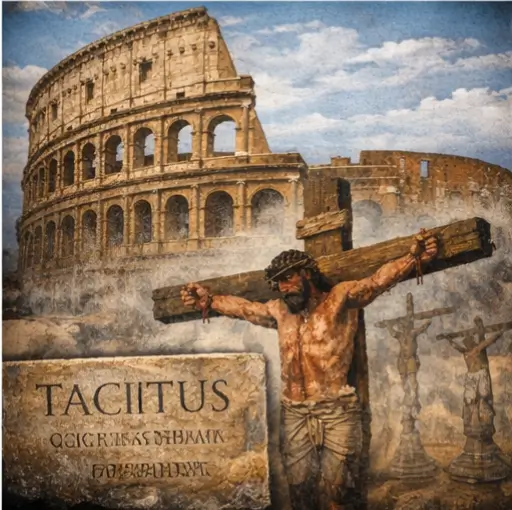
In addition, the Roman governor Pliny the Younger and the historian Suetonius also mention Jesus or his followers in various contexts.
Conclusion
Although historical sources do not provide direct archaeological evidence of Jesus’ life, they do confirm that he existed. The information about him is consistent across Jewish and Roman historical records, supporting the conclusion that Jesus was a real historical figure, not a myth.
If you found the article interesting, share it with your friends and leave a comment.