Janusz Korczak — An Example of Loyalty and Humanity
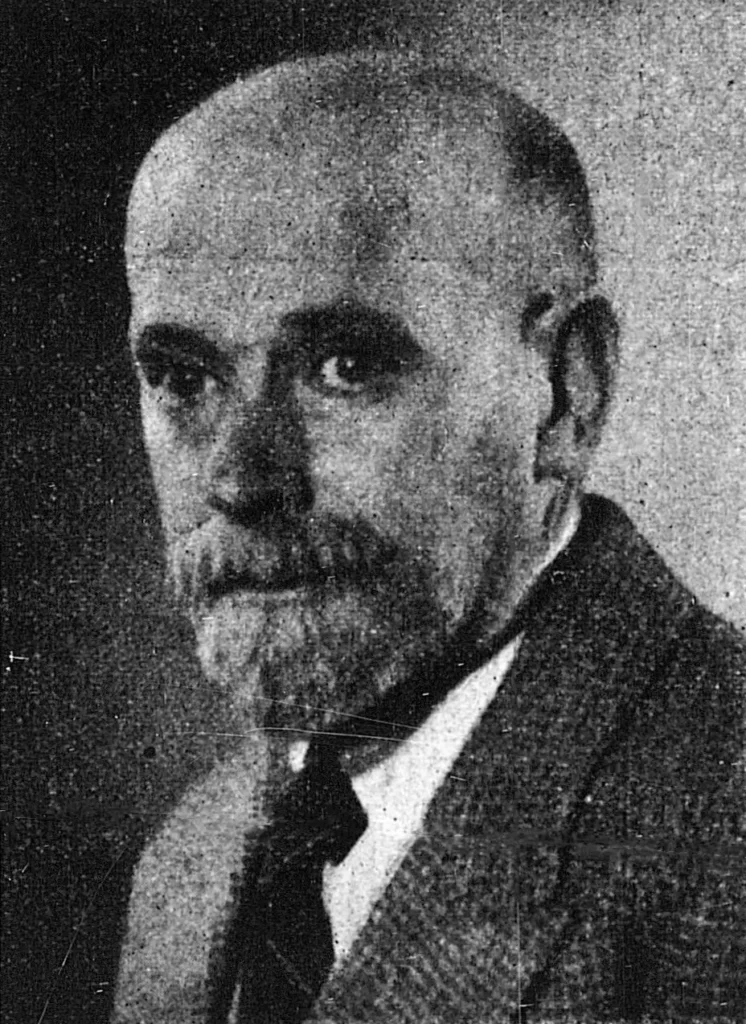
History is full of examples of people whose choices leave a stronger legacy than great military victories or political decisions. In the tragic events of World War II, there are many stories of heroism, but Janusz Korczak’s decision became a unique symbol of human dignity and professional devotion. He was a teacher, doctor, and writer who, until his very last moments, refused to abandon the children he had dedicated his entire life to raising.
Janusz Korczak (real name Henryk Goldszmit) was born in 1878 in Warsaw. He came from an educated family and, from a young age, became interested in medicine and pedagogy. Although he chose the profession of a doctor, his true calling became working with children.
Korczak believed that children were fully developed human beings, not just “future adults.” At that time, this idea was quite unusual. He demanded that children be treated with dignity, given the right to express their opinions, and treated fairly.
The Children’s Home and a New Pedagogy
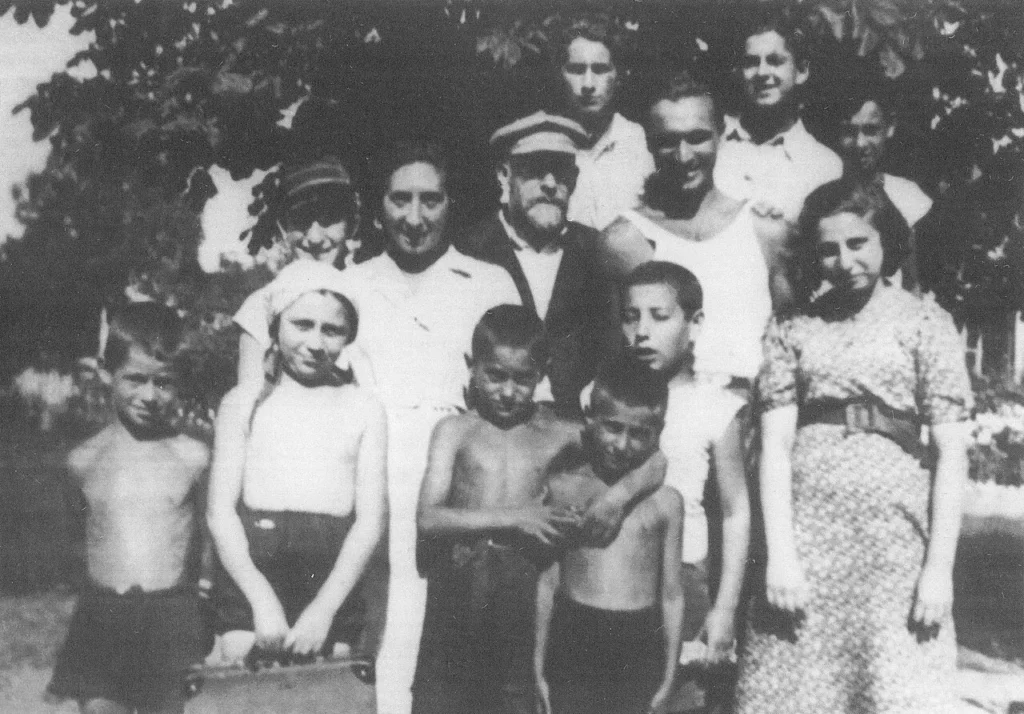
Korczak founded a children’s home in Warsaw for Jewish orphans. There, he introduced unique rules that were revolutionary for his time.
The children had:
- their own “court” where they resolved conflicts themselves
- self-governance
- a newspaper they created themselves
Korczak tried to teach children responsibility and independence while always protecting their dignity.
His books, especially King Matt the First, are still considered classics of children’s literature.
War and the Warsaw Ghetto
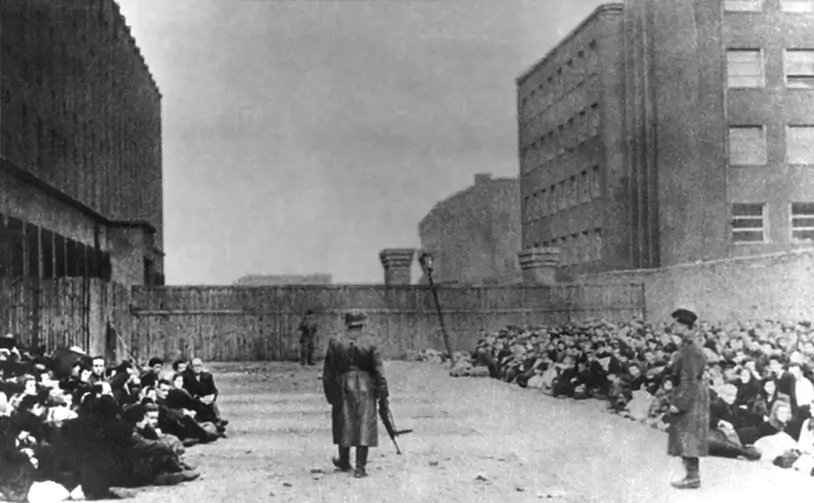
In 1939, Poland was occupied by Nazi Germany. The Jewish population was moved into the Warsaw Ghetto. Korczak’s orphanage was also relocated there.
Conditions in the ghetto were horrific — hunger, disease, and constant fear. Despite this, Korczak tried to create as normal an environment as possible for the children. They still played, studied, and even performed theatrical plays.
Korczak gave the children a sense of calm, believing that emotional security was the most important thing for them — even in a place where real safety no longer existed.
The Final Journey
In the summer of 1942, the Nazis decided to deport the children from the orphanage. Korczak was offered several chances to save himself — his well-known name and reputation could have secured his escape.
But he refused.
Witnesses recalled that when the children were taken to the train, they walked in an orderly manner, holding hands, with Korczak beside them. He stayed with them until the very end — on the journey and in the death camp.
Why His Story Became a Symbol
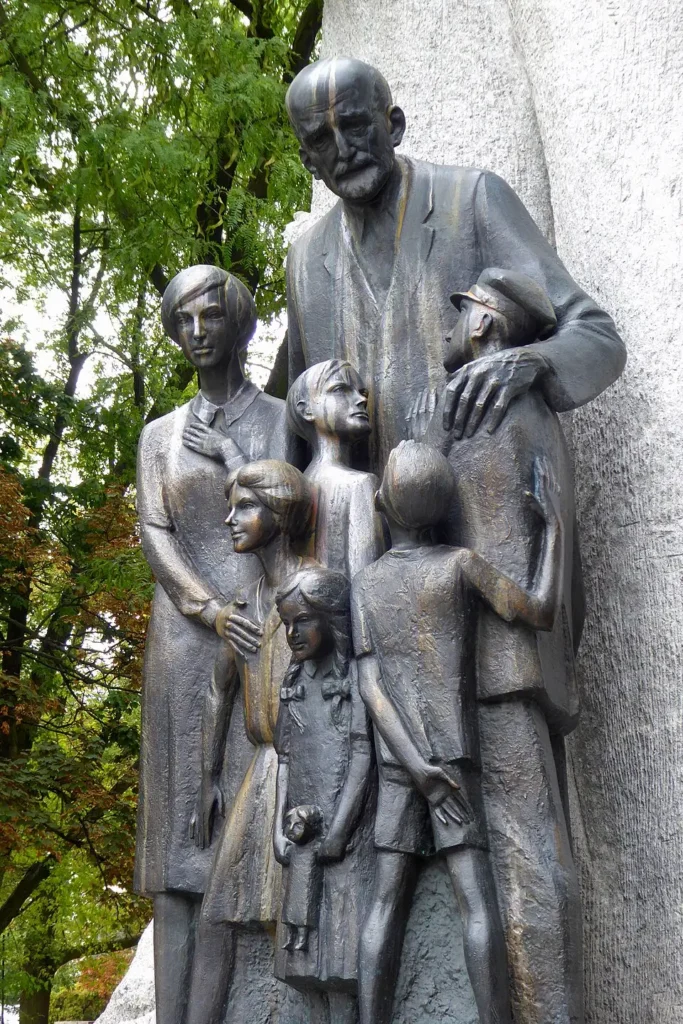
Korczak’s heroism was not only in sacrificing his life for others. His greatest legacy was the idea that children have the same dignity and rights as adults.
After the war, his writings and ideas greatly influenced the international children’s rights movement. Many scholars believe his vision anticipated the principles later included in the UN Convention on the Rights of the Child.
Conclusion
Janusz Korczak’s story reminds us that heroism is not always loud or visible. Sometimes it is expressed in a quiet decision — not to abandon those who depend on you, even at the highest possible cost.
That is why, even decades later, his name remains a symbol of a teacher, educator, and simply human dignity.
Below is the trailer for the Polish film “Korczak” (1990) directed by Andrzej Wajda.
The photos used in the article are taken from Wikimedia Commons and are in the public domain.
If you found the article interesting, share it with your friends and leave a comment.