
Wolfgang Amadeus Mozart — The Musical Genius Who Changed the World

When people talk about the greatest musical geniuses in history, one of the first names that comes to mind is Wolfgang Amadeus Mozart. His life lasted only 35 years, yet during that short time he created music that has endured for centuries and continues to inspire millions around the world.
An Extraordinary Childhood
Mozart was born on January 27, 1756, in Salzburg. His father, Leopold Mozart, was a musician and teacher who quickly recognized his son’s exceptional talent.
According to historical accounts, Wolfgang began experimenting with melodies on the keyboard at the age of three, and by the age of five he was already composing small musical pieces. At six years old, he was performing before European royalty and astonishing audiences with his remarkable abilities.

Under his father’s guidance, Mozart and his sister, Maria Anna Mozart, traveled throughout Europe. The young prodigy gave concerts in Germany, France, England, and other countries. At the time, his talent was considered nothing short of miraculous.
Traveling Across Europe
Much of Mozart’s childhood was spent on the road. These journeys were not only for performances; they also allowed him to absorb different musical traditions, learn from leading musicians, and develop his own unique style.
In England, he met Johann Christian Bach, whose work had a significant influence on him. In Italy, he impressed audiences so greatly that he was admitted to one of the country’s prestigious musical academies, an extraordinary achievement for someone so young.
A Life of Independence
As he grew older, Mozart sought to build an independent career. In the eighteenth century, musicians often worked under the patronage of nobles and were expected to serve their employers’ wishes. Mozart longed for artistic freedom.

In 1781, he settled in Vienna and began working as an independent composer and performer. It was a bold and risky decision, but it led to some of his greatest achievements.
In 1782, he married Constanze Mozart. Despite periods of financial difficulty, their marriage is generally regarded as a happy one.
Masterpieces That Changed Music History
Mozart composed more than 600 works, including symphonies, operas, concertos, chamber music, and sacred compositions.
Among his most famous operas are:
- The Marriage of Figaro
- Don Giovanni
- The Magic Flute
These operas revolutionized musical theater by combining unforgettable melodies, humor, drama, and profound insights into human nature.

His symphonies are equally celebrated, especially Symphonies No. 40 and No. 41. The latter is widely known as the “Jupiter Symphony” and is considered one of the greatest symphonic works ever written.
A Remarkable Memory
Many fascinating stories surround Mozart’s life. One of the most famous concerns the piece “Miserere” by the Italian composer Gregorio Allegri.
The composition was performed only in a specific church, and copying its music was strictly forbidden. After hearing it just once, the young Mozart reportedly wrote down almost the entire work from memory. The feat amazed everyone who learned of it.
Financial Struggles
Despite his success, Mozart often faced financial difficulties. Many people believe he spent his entire life in poverty, but the reality is more complex.
At various times, he earned a substantial income from concerts, teaching, and commissions. However, irregular earnings and poor financial management frequently left him in debt.
The Mystery of the Requiem
In 1791, Mozart began working on what would become one of his most famous compositions, the Requiem in D minor.
According to legend, the commission came from a mysterious stranger, leading Mozart to fear that he was composing music for his own funeral. In reality, the work had been commissioned by an Austrian nobleman, but the story remains one of classical music’s most enduring legends.
Mozart was unable to finish the composition before his death, and it was later completed by his students and associates.
An Untimely Death
On December 5, 1791, Mozart died at the age of 35. The exact cause of his death remains uncertain and continues to be debated by historians and medical researchers.
One of the most famous myths claims that he was poisoned by the rival composer Antonio Salieri. However, modern scholarship has found no convincing evidence to support this theory.
A Lasting Legacy
Mozart’s fame only grew after his death. Today, he is regarded as one of the greatest composers in the history of classical music. His works are performed in concert halls across the globe, and his melodies remain as vibrant and captivating as they were more than two centuries ago.
Mozart’s story reminds us that true genius is not measured by the length of a life. Though he lived only 35 years, he created a musical legacy that continues to enrich humanity’s cultural heritage. His music still inspires audiences worldwide and proves that great art can transcend time itself.
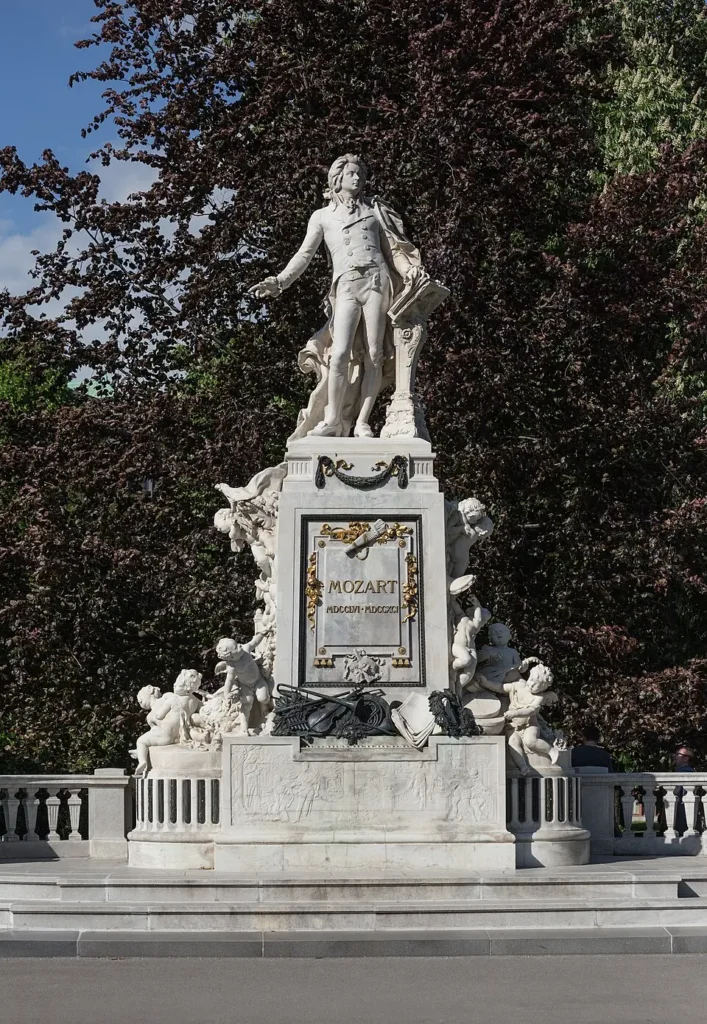
The images used in the article are sourced from Wikimedia Commons and are in the public domain.
If you found the article interesting, share it with your friends and leave a comment.