The Secret Correspondence That Saved the World
The Most Dangerous Moments of the Cold War
I. Introduction
Imagine that the fate of all humanity depends on a single sentence. Not on a battlefield, not on bombers, but on a few words exchanged between the leaders of two countries.
In 1962, the world was closer to nuclear war than ever before. One mistake, one misunderstood phrase, one delayed response — and history could have been written very differently.
This is a story not about missiles, but about words. A story of how a single secret message helped save humanity.
II. The Cuban Missile Crisis — 13 Days That Shook the World
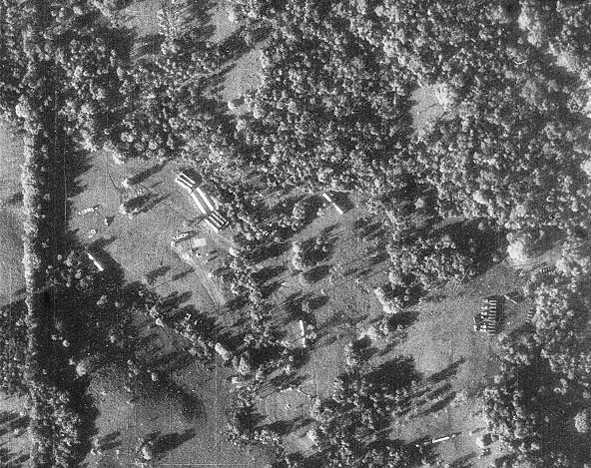
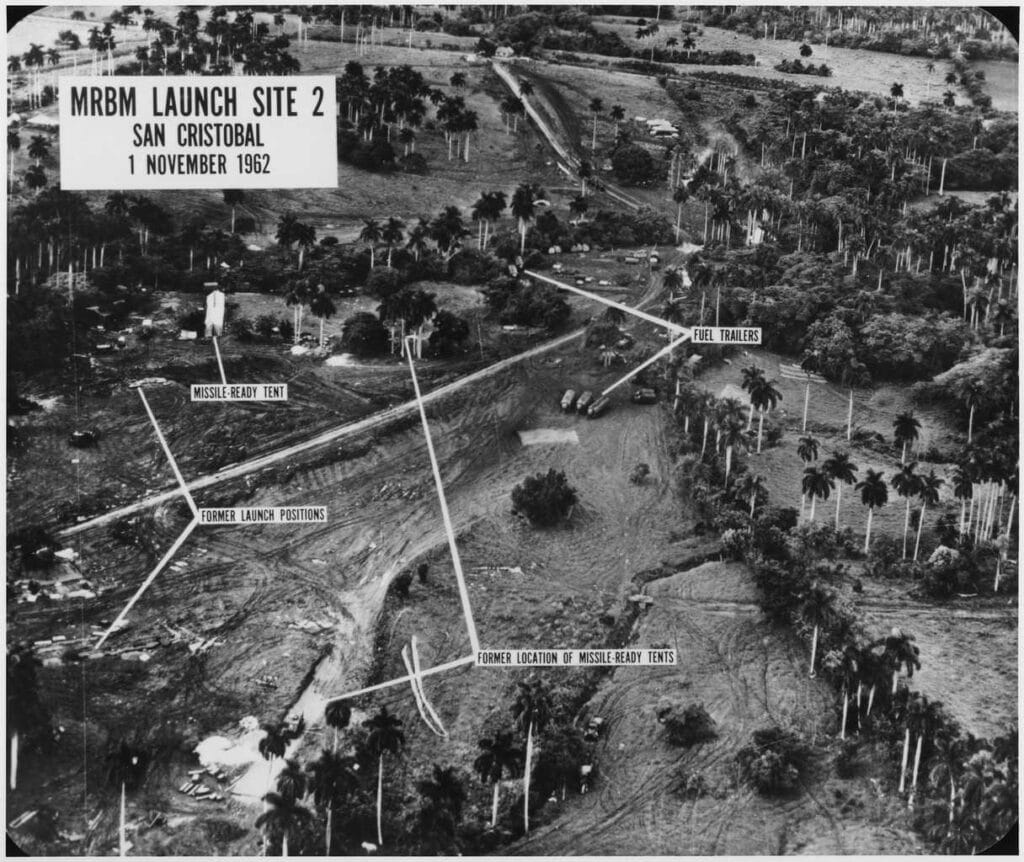
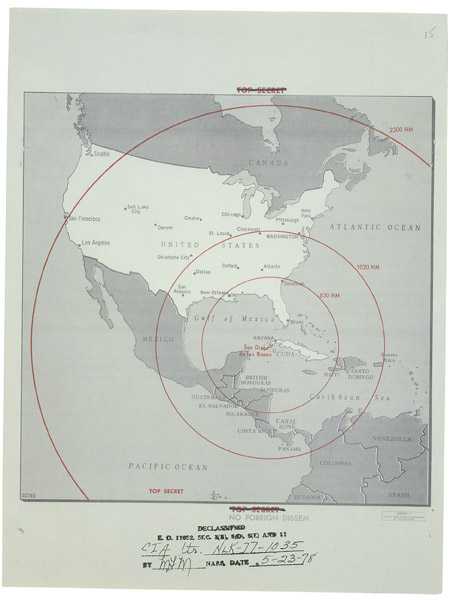
In October 1962, American spy planes captured images over Cuba that shocked the Pentagon: the Soviet Union had begun constructing nuclear missile bases on the island.
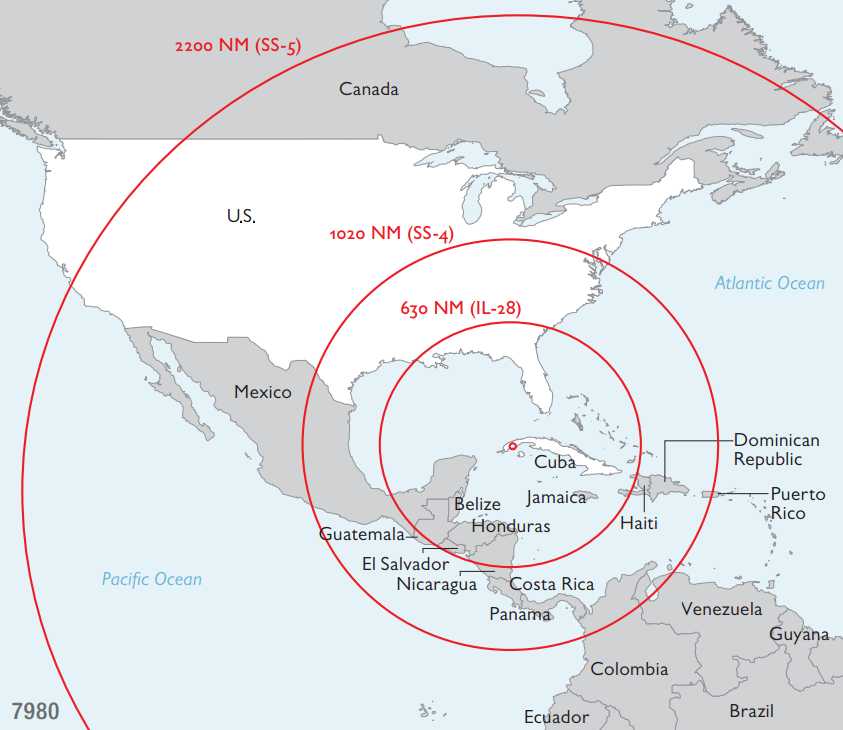
Cuba was only a few hundred kilometers from the U.S. coast. This meant the USSR could strike American cities within minutes.
President John F. Kennedy faced the most difficult choice:
- Do nothing — and leave America vulnerable
- Attack — and risk triggering nuclear war
For 13 days, the world lived in a state where every hour could have been the last.
III. The Dangerous Problem of Communication
The biggest problem in this extremely tense situation was not the missiles or military readiness, but the lack of direct communication between Washington and Moscow.
Messages were sent by telegraph, translated, and passed through bureaucratic filters. This process took hours, sometimes even days. In a nuclear crisis, that meant one thing:
War could begin because someone misunderstood a sentence.
IV. The Strange Letter That Changed Everything
At the height of the crisis, on October 26, 1962, an unexpected message arrived in Washington from the Kremlin. It was not an official ultimatum. It was an emotional, almost personal letter from Nikita Khrushchev, with a tone roughly like this:
“Why should we bring disaster upon each other when we can choose peace?”
In this letter, Khrushchev proposed that the Soviet Union would remove its missiles from Cuba if the United States pledged not to invade the island.
But just hours later, a second message arrived — completely different in tone: cold, strict, and official.
V. The Translation Error That Could Have Led to Nuclear War
The second letter stated that the USSR would remove its missiles from Cuba only if the United States removed its own missiles from Turkey.
The tone between the two messages was so different that American analysts thought:
“This is a threat, and the first letter was bait.”
The wording of Khrushchev’s message — whether written or translated — was such that, in that tense situation, it could be interpreted not as a peace offer but as an ultimatum.
VI. Kennedy’s Decision
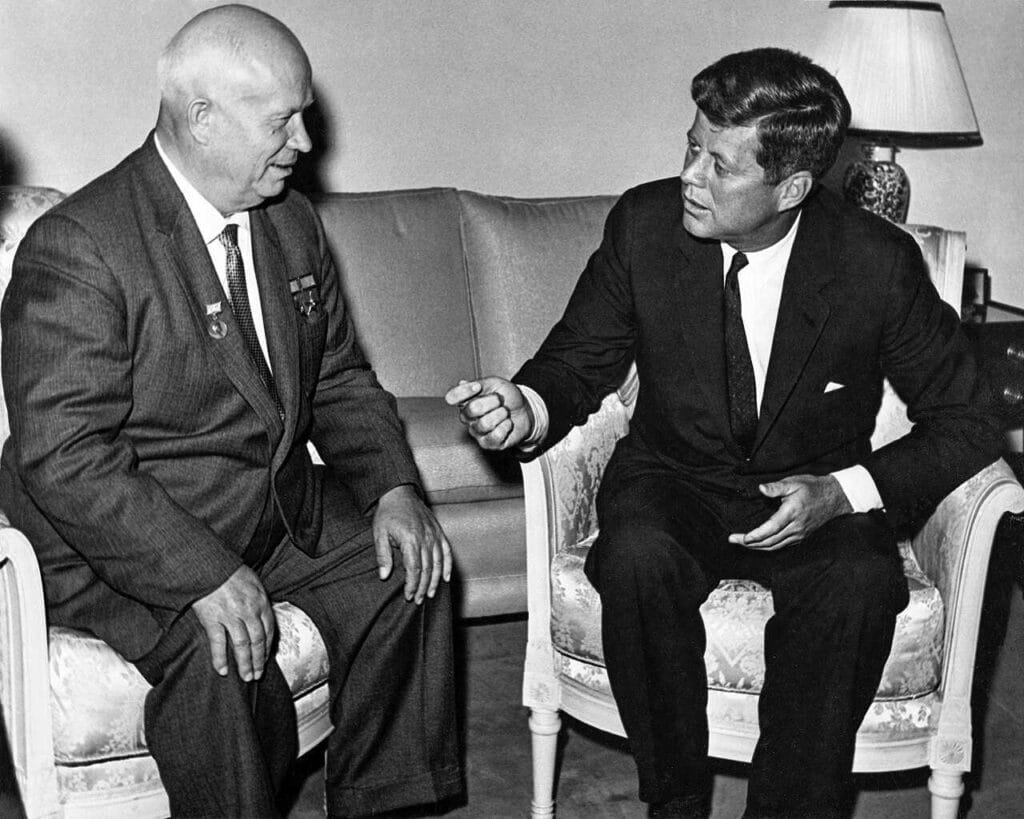
John F. Kennedy made a historic decision.
He chose to:
- Respond only to the first, peaceful letter
- Ignore the second, more threatening message
It was a risky move.
If the second letter reflected the true position of the USSR, ignoring it could have made war inevitable.
But Kennedy sensed that Khrushchev was seeking a way out — and the American response moved toward peace, helping to defuse the crisis.
The sides agreed that the Soviet Union would withdraw its missiles from Cuba, removing the threat to the United States. In return, the U.S. pledged not to invade Cuba and secretly agreed to remove its Jupiter nuclear missiles from Turkey.
VII. The Creation of the “Red Telephone”
After the crisis, both sides realized that reliable communication could not depend on slow, indirect methods.
Thus, a direct communication line between Washington and Moscow was established — popularly known as the “red telephone.”
In reality, it was not a phone, but a secure text-based communication channel designed to reduce delays.
Leaders could communicate directly with each other.
The first message sent through this channel was unusual:
“The quick brown fox jumps over the lazy dog”
This sentence contains every letter of the English alphabet.
It symbolized a new era — one where words would matter more than bombs.
VIII. Why the World Didn’t Know
These details remained classified for decades.
People did not know:
- How close the world came to war
- That a translation error could have cost millions of lives
This became known only after Soviet and American archives were opened.
IX. Conclusion
The Cuban Missile Crisis became a clear example of how close humanity can come to self-destruction due to political tension, mistrust, and miscommunication. In October 1962, the world stood on the brink of nuclear war — just a few decisions, a few words, and even a few hours could have triggered catastrophe.
The crisis showed that in the nuclear age, words, diplomacy, and precise communication are more important than force. The exchange of letters between Khrushchev and Kennedy — their interpretation and eventual compromise — ensured that the confrontation ended in peace rather than global war.
The creation of the direct communication line — the “red telephone” — helped prevent dangerous misunderstandings in the future. It was a lesson for both superpowers: in a world with nuclear weapons, communication failure can be more dangerous than the weapons themselves.
The Cuban Missile Crisis reminds us even today that global security often depends not on power, but on wisdom, patience, and the precision of words. This historical episode remains a warning for future generations — that dialogue must always be possible, even at the very last moment.
Photos used in this article are sourced from Wikimedia Commons and are public domain.
If you found the article interesting, share it with your friends and leave a comment.