
The Anunnaki — Ancient Gods or Aliens? What Does History Reveal?Anunaks
Imagine that thousands of years ago, long before modern science, people looked up at the night sky and tried to understand the world around them. They wondered where humanity came from, who created the universe, and why natural disasters, disease, and death existed. In ancient Mesopotamia, these questions gave rise to a rich world of myths, gods, and legends. Among the most intriguing figures in this mythology were the Anunnaki.
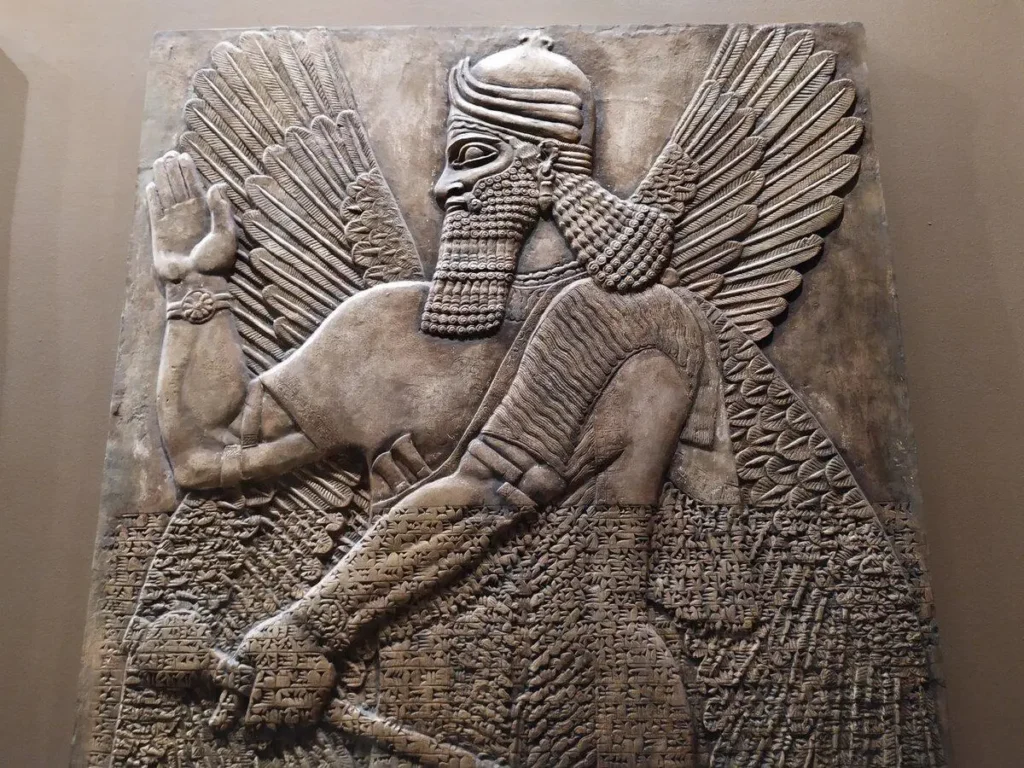
Today, the Anunnaki are often mentioned in books, documentaries, and online discussions about ancient civilizations and extraterrestrial visitors. Some claim that they were advanced beings from another planet who came to Earth thousands of years ago and influenced the development of human civilization. But what do ancient texts actually tell us? Were the Anunnaki simply gods of Mesopotamian mythology, or is there evidence to support the idea that they were extraterrestrials?
To answer these questions, we must distinguish between what ancient sources say and what modern interpretations have added to them.
Ancient Mesopotamia — The World of the Anunnaki
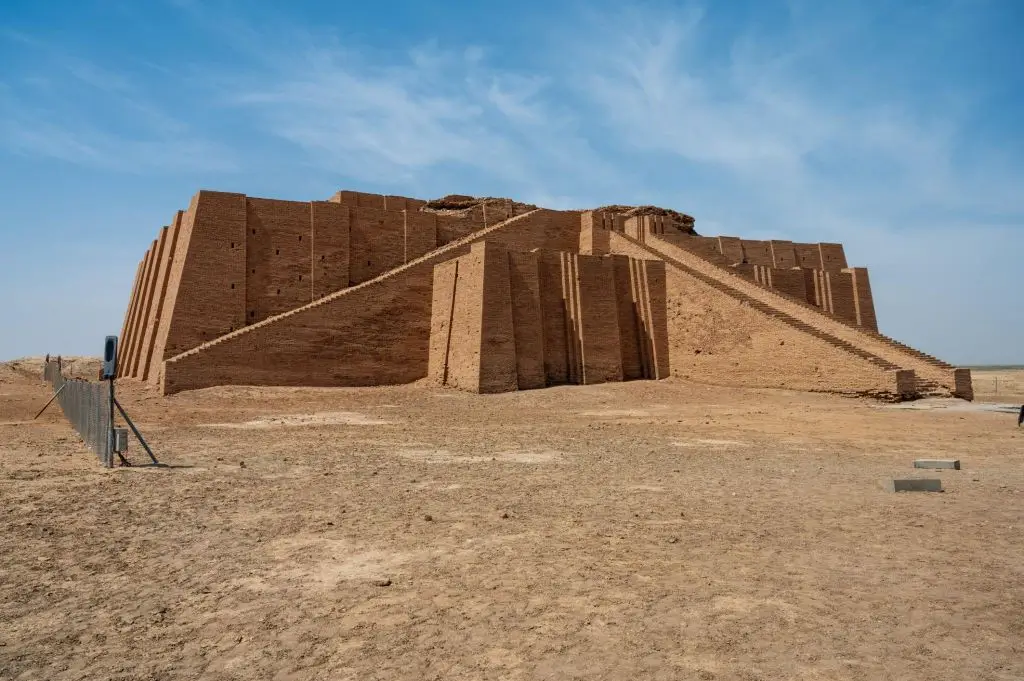
Mesopotamia, the region between the Tigris and Euphrates rivers, was one of the great centers of early civilization. It encompassed territories that are largely part of modern Iraq, as well as areas of neighboring countries. Here, communities developed some of the earliest cities, systems of writing, legal traditions, and complex religious institutions.

The Sumerians, who lived in southern Mesopotamia, developed one of the world’s earliest known writing systems: cuneiform. They used it to record commercial transactions, administrative documents, royal inscriptions, prayers, myths, and epic literature. Later civilizations, including the Akkadians and Babylonians, inherited and transformed many elements of this cultural and religious heritage.
The Mesopotamians believed that the universe was governed by powerful divine beings. Different gods were associated with the sky, the earth, water, fertility, war, wisdom, and the forces of nature. These deities were not always understood in exactly the same way across different cities and historical periods. Their roles, relationships, and importance could change over time.
The Anunnaki belonged to this religious world. They were a group of deities mentioned in ancient Mesopotamian texts. However, there was no single, unchanging description of them that remained identical throughout Mesopotamian history. Their roles and the way they were portrayed varied according to the text, period, and religious tradition.
This point is important: when we discuss the Anunnaki, we are dealing with a complex religious tradition that developed over centuries, not with a single, clearly defined group whose identity remained unchanged.
Who Were the Anunnaki?
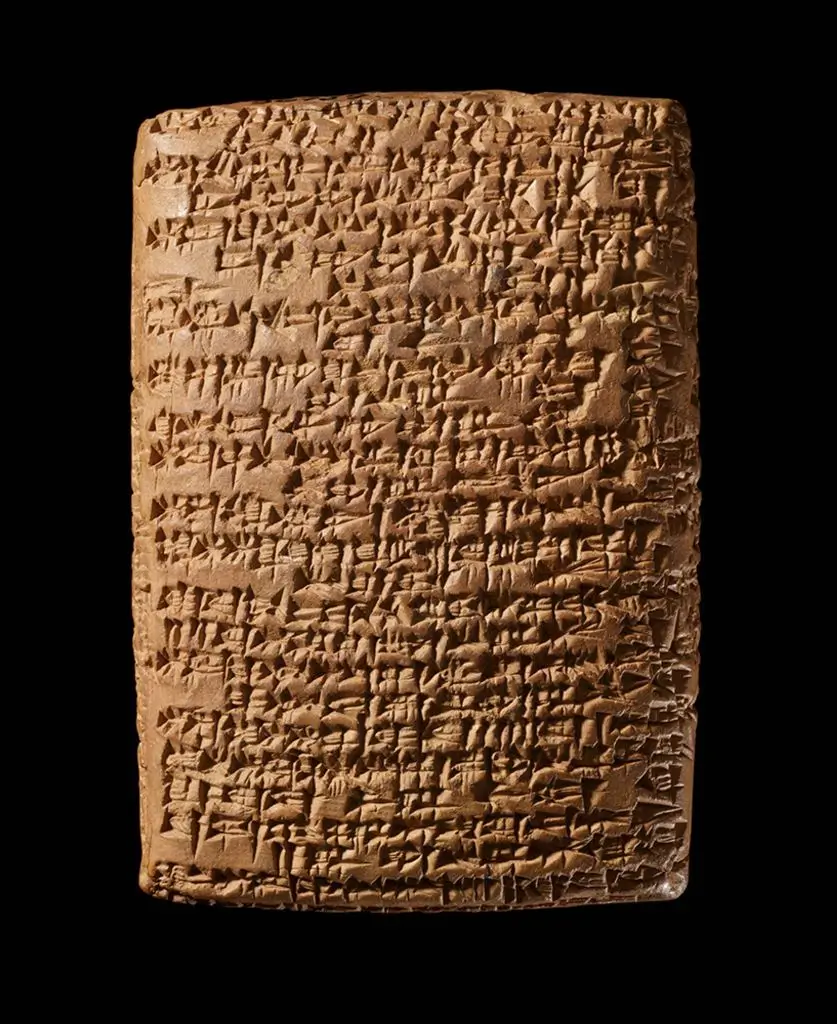
The name is commonly rendered in modern scholarship as Anunnaki or Anunna. It is associated with the divine world of ancient Mesopotamia and is generally understood as referring to a group of gods.
The precise composition and function of the group differed between texts and historical periods. In some traditions, the Anunnaki were associated with the authority of the great gods or with divine assemblies. In certain later religious texts, they were connected with the underworld and the judgment of the dead. It would therefore be misleading to assign them one universal role across all Mesopotamian mythology.
Among the major deities of Mesopotamia were Anu, associated with the heavens; Enlil, a powerful god connected with authority and the forces of the atmosphere; and Enki, also known as Ea, associated with wisdom, fresh water, and knowledge. Inanna, known in Akkadian as Ishtar, was associated with love, sexuality, and warfare. Marduk later became the chief god of Babylon.
These gods were not all interchangeable with the Anunnaki. Rather, they belonged to a broader and intricate divine hierarchy in which different deities had distinct roles.
One popular claim suggests that the word Anunnaki literally means “those who came from heaven to Earth.” This interpretation is frequently used in modern ancient-astronaut theories. However, it is not an accepted translation supported by mainstream Assyriology. The name’s ancient linguistic and religious context is more complex than this modern phrase suggests.
The fact that a group of gods was associated with heaven or divine authority does not, by itself, establish that the beings described in the myths were extraterrestrial visitors.
The Creation of Humanity in Mesopotamian Mythology
One reason the Anunnaki have attracted modern attention is that Mesopotamian myths contain stories about the creation of humanity and the relationship between humans and the gods.
A particularly important text is the Atrahasis Epic, an Akkadian literary work that describes the origins of humankind. In the story, the lesser gods are burdened with difficult labor. Their work becomes unbearable, and they rebel against the divine order.
The gods then decide to create human beings who will take over some of this labor. In the myth, humanity’s creation is therefore connected with the need to relieve the gods of their burdens and maintain the order of the world.

The story reflects the concerns and worldview of ancient Mesopotamian society. Labor, agriculture, irrigation, construction, and the maintenance of temples were central to everyday life. It is therefore unsurprising that a myth about the creation of humans would explain their existence in terms of work and service to the gods.
Some modern writers interpret this story as evidence that the Anunnaki engineered humanity to work for them. They sometimes compare the myth to genetic engineering or the creation of a biological workforce by an advanced civilization.
However, these comparisons are modern interpretations, not conclusions established by the ancient text itself. The Atrahasis Epic is a mythological account of creation, not a scientific report describing genetic manipulation. There is no reliable archaeological or genetic evidence showing that an extraterrestrial group created humanity.
The distinction matters. Ancient myths can provide valuable information about how people understood the world, but their religious narratives should not automatically be treated as literal records of historical or technological events.
The Great Flood — A Myth Shared Across Ancient Cultures
Another reason Mesopotamian mythology is frequently discussed in connection with the Anunnaki is its flood tradition.
The Atrahasis Epic contains a story about a catastrophic flood. In the narrative, the gods decide to destroy humanity, but one of the gods secretly warns a man named Atrahasis. He is instructed to build a vessel to survive the coming disaster.

A related flood story appears in the Epic of Gilgamesh, in which Utnapishtim recounts how he survived a great flood after receiving a divine warning.
These stories have important similarities to flood narratives found in other religious and cultural traditions. Their existence demonstrates that catastrophic floods held a powerful place in the imagination of ancient societies.
Mesopotamia was a region shaped by the Tigris and Euphrates rivers. Flooding could cause enormous destruction, and the unpredictable behavior of rivers was a major concern for the people who lived there. Environmental experience may therefore help explain why flood narratives became so significant in Mesopotamian literature.
Some modern theories claim that the flood stories preserve memories of interventions by extraterrestrial beings or of advanced technology. But the existence of a flood myth does not prove such a claim. The ancient texts describe events through the religious worldview of their authors, and no reliable evidence links the stories to extraterrestrial activity.
Myths can preserve cultural memories, explain natural phenomena, and express religious ideas. Their meaning must be investigated through historical, linguistic, and archaeological research rather than through assumptions about modern technology.
Zecharia Sitchin and the Ancient-Astronaut Theory
The modern image of the Anunnaki as extraterrestrials became especially popular through the work of Zecharia Sitchin, a writer who published books proposing that ancient Mesopotamian texts described visitors from another planet.
Sitchin argued that the Anunnaki came from a planet called Nibiru. According to his interpretation, these beings arrived on Earth, extracted gold, and created or genetically modified humans to perform labor on their behalf. He presented his ideas as a hidden history of humanity preserved in ancient texts.
The theory became popular because it combines several compelling subjects: ancient civilizations, mysterious gods, the origin of humanity, lost knowledge, and the possibility of life beyond Earth. It offers a dramatic alternative to conventional historical explanations and invites readers to reinterpret familiar myths.
However, popularity is not the same as scientific credibility.
Sitchin’s interpretations are not accepted by mainstream scholars of ancient Mesopotamia. Specialists have criticized his translations and readings of cuneiform texts, arguing that they do not accurately reflect the grammar, vocabulary, and historical context of the original languages.
Ancient Mesopotamian texts do refer to celestial bodies, divine journeys, and supernatural events. But interpreting these references as descriptions of spacecraft, extraterrestrial visitors, or advanced technology requires assumptions that the texts themselves do not establish.
The claim that the Anunnaki genetically engineered humans is likewise unsupported by reliable scientific evidence. Modern genetics, anthropology, and archaeology explain human origins through a vast body of evidence concerning evolution, fossil remains, ancient DNA, and the development of human societies.
There is no accepted scientific evidence that an extraterrestrial civilization created humanity or directed the development of Mesopotamian civilization.
What Was Nibiru?
Nibiru is another key element in modern Anunnaki theories. Sitchin described it as the home planet of the Anunnaki and claimed that it followed an elongated orbit, returning to the vicinity of Earth at intervals of approximately 3,600 years.
The name Nibiru does appear in Mesopotamian astronomical and religious contexts. However, its meaning and use depend on the particular text and historical period. In some contexts, it is associated with a celestial marker or a heavenly body, but this does not establish the existence of a hidden planet inhabited by the Anunnaki.
Astronomers have not confirmed the existence of Sitchin’s Nibiru as a planet that periodically approaches Earth on the proposed orbit. Nor is there reliable astronomical evidence that an inhabited world follows the path described in the theory.
This distinction is essential. An ancient word associated with the sky is not, by itself, proof of a modern astronomical hypothesis. To establish the existence of a planet, scientists need observable evidence, consistent measurements, and independently verifiable results.
The idea of Nibiru remains part of modern speculative interpretations of ancient texts rather than an established astronomical discovery.
What Does Archaeology Tell Us?
Archaeology has uncovered a remarkable amount of information about Mesopotamian civilization. Excavations have revealed cities, temples, palaces, tablets, seals, sculptures, and everyday objects that help researchers reconstruct life thousands of years ago.
Cuneiform tablets are particularly valuable. They contain royal inscriptions, administrative records, letters, prayers, myths, mathematical calculations, and astronomical observations. By comparing texts from different periods and locations, scholars can investigate how religious beliefs developed and how ancient people understood their world.
These discoveries provide substantial evidence for the richness and sophistication of Mesopotamian civilization. They also demonstrate that the region’s inhabitants developed complex systems of administration, literature, mathematics, and astronomy through human activity over many centuries.
However, archaeology has not produced verified evidence that the Anunnaki were extraterrestrials. No confirmed artifact, biological sample, or independently authenticated technological object has established that an alien civilization visited ancient Mesopotamia or created humanity.
This does not mean that every question about the ancient world has been answered. Many texts remain difficult to interpret, and new discoveries continue to refine our understanding of early civilizations. But an unanswered question is not proof of an extraterrestrial explanation.
A responsible historical investigation distinguishes between what the evidence demonstrates, what remains uncertain, and what belongs to modern speculation.
Why Are the Anunnaki Still So Fascinating?
The Anunnaki remain compelling because they stand at the intersection of several enduring human questions: Where did we come from? How did civilization begin? Are we alone in the universe? Could ancient stories preserve knowledge that has been lost?

These questions are interesting in their own right, and the search for extraterrestrial life is a legitimate scientific endeavor. Researchers continue to investigate the possibility of life beyond Earth through astronomy, planetary science, and the study of environments that might support life.
But the scientific search for extraterrestrial life should not be confused with claims that ancient gods were visitors from another planet. The first relies on testable hypotheses and observable evidence; the second often depends on interpretations of ancient texts that are not supported by specialists.
The Anunnaki also reveal something important about ancient people themselves. Their myths expressed ideas about power, labor, justice, death, nature, and humanity’s place in the universe. These stories help us understand the religious and intellectual worlds of some of the earliest urban societies.
Their historical significance does not depend on whether they were aliens. They are fascinating precisely because they show how ancient civilizations tried to explain the mysteries of existence.
Conclusion: Gods in Ancient Texts, Aliens in Modern Theories
The Anunnaki were a group of deities in the religious traditions of ancient Mesopotamia. Their roles varied across texts and historical periods, and their stories formed part of a rich mythology that explored the relationships between gods, humans, nature, and the universe.
The modern claim that they were extraterrestrials, arrived from Nibiru, mined Earth’s gold, and genetically engineered humanity is associated with interpretations popularized by Zecharia Sitchin. These claims have not been substantiated by mainstream linguistic scholarship, archaeology, genetics, or astronomy.
The ancient sources are worth studying in their own right. They preserve valuable evidence about the beliefs and culture of Mesopotamian societies, but they do not provide verified proof of extraterrestrial intervention in human history.
Perhaps the most interesting lesson is that we do not need to turn ancient gods into aliens to appreciate the wonder of the past. The real history of Mesopotamia—with its first cities, remarkable writing system, sophisticated astronomy, and powerful myths—is extraordinary enough.
Sources and Further Reading
- Ancient Mesopotamian Gods and Goddesses — Anunna (Anunnaki). The University of Pennsylvania’s Electronic Text Corpus of Sumerian Literature and resources on ancient Mesopotamian deities. https://oracc.museum.upenn.edu/amgg/listofdeities/anunna/index.html
- The Epic of Atrahasis. The Atrahasis Epic, an important Akkadian text about the creation of humanity and the great flood. https://www.livius.org/sources/content/anet/104-106-the-epic-of-atrahasis/
- Ancient Mesopotamian Gods and Goddesses — An/Anu. Scholarly studies of Mesopotamian religion, cuneiform literature, and ancient Near Eastern astronomy. https://oracc.museum.upenn.edu/amgg/listofdeities/an/
- Zecharia Sitchin and the Mistranslation of Sumerian Texts. Critical discussions of Zecharia Sitchin’s interpretations and the ancient-astronaut hypothesis. https://www.ancient-origins.net/human-origins-religions/zecharia-sitchin-and-mistranslation-sumerian-texts-009442
Editorial note: The Anunnaki-as-aliens theory is a modern speculative interpretation and is not supported by the mainstream academic understanding of ancient Mesopotamian texts.
If you found the article interesting, share it with your friends and leave a comment.