Amedeo Modigliani — The Life, Love, and Artistic Mystery of a Tragic Genius
The artist who transformed his own pain into art
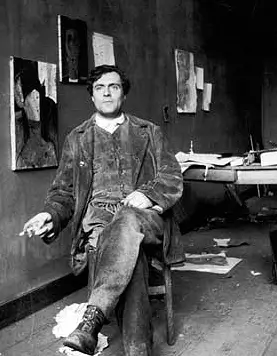
In the history of art, there are individuals whose talent was recognized during their lifetime, earning them fame and glory. However, there are also those whose genius became clear to everyone only after their death.
One such person was Amedeo Modigliani — an Italian painter and sculptor whose life was filled with poverty, illness, solitude, love, and tragedy.
Today, his paintings are among the most expensive artworks in the world. His portraits sell for hundreds of millions of dollars, yet the artist himself spent the final years of his life almost forgotten and in extreme hardship.
Modigliani’s story is about a man who did not live to see his own fame, but who left behind art that will endure for centuries.
Childhood — A Gifted Boy with Frail Health
Amedeo Clemente Modigliani was born on July 12, 1884, in Livorno, Italy, into a Jewish family.
His childhood was not easy. From an early age, he suffered from severe health problems. Tuberculosis was particularly devastating — a disease that, at the time, was frequently fatal.
Despite his illnesses, Modigliani showed a remarkable passion for art very early in life.
His mother, Eugénie Garsin, quickly noticed her son’s talent and supported his desire to become a painter.
At the age of 14, he began studying drawing in a local workshop. His teachers soon realized that the young boy possessed extraordinary talent.
However, his fragile health frequently forced him to interrupt his studies.
Florence and Venice — Discovering the World of Art
The young Modigliani sought to master the foundations of classical art. He traveled to Florence and Venice — cities where the greatest masterpieces of the Italian Renaissance were gathered.
Here, he studied the works of masters such as Sandro Botticelli, Titian, and other legendary artists.
Yet Modigliani was not interested in merely replicating tradition. He wanted to forge his own distinct style — an art that expressed the inner world of the human soul.
Paris — Where His True Story Began

In 1906, Modigliani arrived in Paris.
At that time, Paris was the center of the art world, drawing the most renowned painters, writers, and intellectuals from across the globe.
Modigliani settled in the Montparnasse district — the heart of the artistic community.
There, he met the most prominent figures of modern art and began searching for his own artistic path.
However, life in Paris proved difficult for him.
He had no wealth and often lacked enough money for food and lodging. Despite these hardships, he refused to abandon his art.
His friends recalled that Modigliani always tried to dress elegantly, even while living in extreme poverty.
The Birth of His Signature Style

At first, Modigliani’s art seemed strange and incomprehensible to many.
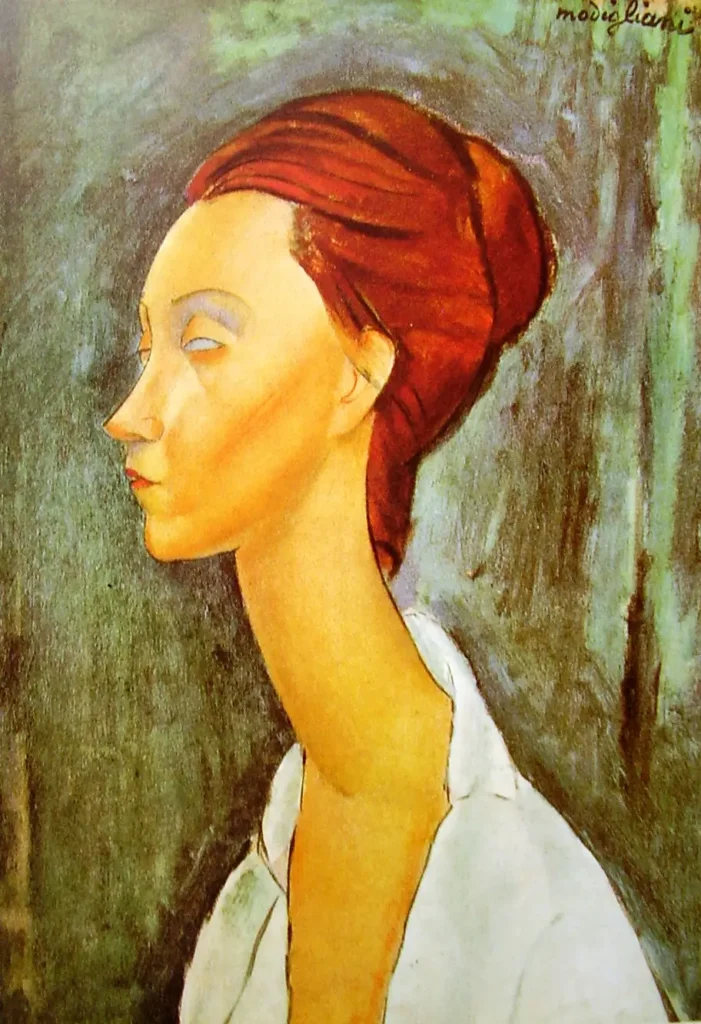
His portraits were characterized by:
- Elongated faces;
- Long, slender necks;
- Almond-shaped eyes;
- Serene and mysterious expressions.
In his paintings, figures appeared as though they did not belong to the physical world — existing instead in a dreamlike, melancholic realm.
Modigliani’s goal was not to capture an exact physical likeness. He sought to see into the human soul.
As he famously stated:
“When I know your soul, I will paint your eyes.” (This quote is frequently attributed to Modigliani, though its exact source remains debated.)
Sculpture — A Forgotten Dream

Although Modigliani is primarily known today as a painter, he had a deep passion for sculpture.
One of his main sources of inspiration was the art of Africa and ancient civilizations.
For several years, he focused predominantly on creating sculptures.
However, declining health and financial hardships eventually forced him to return to painting.
It was during this period that he developed the iconic style that today stands as a symbol of his legacy worldwide.
The Hard Years — Life of an Unrecognized Genius
The 1910s were among the most challenging periods of Amedeo Modigliani’s life.
Even though he was producing extraordinary works, the Parisian art establishment largely failed to appreciate him. His style diverged from the trendy art movements of the era, and many viewed his paintings as odd.
Modigliani made no attempt to paint like others. While many contemporary artists were experimenting with abstraction and breaking down forms, he remained dedicated to exploring the human face and emotion.
His central theme was humanity — loneliness, sadness, and the inner world of the individual.
However, this artistic approach brought little commercial success.
The artist was frequently forced to sell his works for trivial amounts, sometimes relying entirely on the support of friends.
An Artist Fighting Against His Own Body and Mind
Modigliani’s health steadily deteriorated over the years.
The tuberculosis that began in his childhood remained a constant threat. Moreover, harsh living conditions and poverty further worsened his state.
He frequently turned to alcohol and other destructive habits, which were common among certain Parisian bohemian circles at the time.
Yet those close to him emphasized that Modigliani was not merely a self-destructive figure.
He possessed exceptional charm, intellect, and refined taste. Friends often called him “Modì” and described him as a man who, despite severe hardship, always strived to maintain his dignity.
Jeanne Hébuterne — The Woman Who Transformed His Final Years
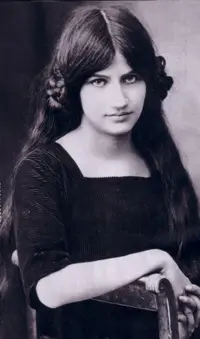
In 1917, a young artist named Jeanne Hébuterne entered Modigliani’s life.
She was only 19 years old when she met him.
Jeanne was an artist herself and possessed a deep understanding of Modigliani’s inner spirit. A powerful connection quickly formed between them.
Modigliani painted numerous portraits of Jeanne. His works reveal that he saw far beyond her outer beauty — he sought to capture her character and soul.
Jeanne’s portraits often project a sense of tranquility, tenderness, and quiet mystery.
Although their love was profound, their life was far from easy.
They lacked financial stability, and Modigliani’s health continued to decline rapidly.
“Modigliani’s Nudes” — The Scandal That Changed History
In 1917, Modigliani held his first and only solo exhibition in Paris.
The exhibition featured a series of his female nudes.
For that era, these artworks were considered far too provocative by a segment of the public.
On the opening day, the police intervened because a large crowd gathered outside, and the paintings sparked a major public scandal.
Although these works are now regarded as masterpieces of global art history, they were deemed unacceptable by many at the time.
Final Days — The Tragic End of a Genius
By 1919, Modigliani’s health had severely deteriorated.
He kept trying to paint, but the disease gradually robbed him of his strength.
In January 1920, his condition became critical, and he was rushed to the hospital.
On January 24, 1920, at the age of just 35, Amedeo Modigliani passed away.
His death came as a profound shock to the Parisian art community.
Yet the tragedy did not end there.
Modigliani’s death plunged Jeanne Hébuterne into unbearable despair. Just two days after the artist’s passing, 21-year-old Jeanne, who was eight months pregnant, ended her own life.
Their love story remains one of the most heartbreaking tragedies in the history of art.
A Legend Born After Death
Following Modigliani’s death, interest in his work surged dramatically.
The artist who was so often undervalued during his lifetime became, within a few decades, one of the most pivotal figures in world art.
His portraits are now housed in the world’s most prestigious museums.
In 2018, his painting Nu couché (Reclining Nude) sold at auction for approximately $157 million, becoming one of Modigliani’s most expensive works ever sold.
It was a poignant twist of history — a man who often lacked money for daily necessities during his lifetime became one of the most valuable names in art history after his death.
Why Did Modigliani Become So Important?
Modigliani’s uniqueness lies in the fact that he created a visual style unlike any other.
His subjects seem to gaze at the viewer with quiet stillness, yet beneath the surface, one feels sadness, solitude, and subtle emotion.
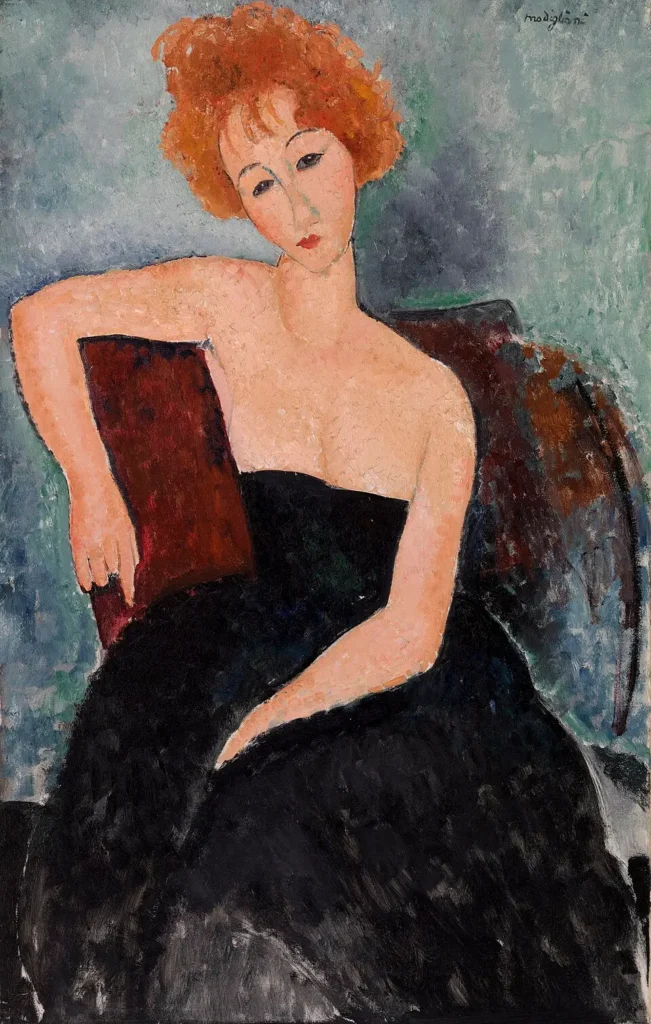
He did not merely paint faces — he painted the internal state of the human heart.
His works remind us that the power of art does not lie in technical perfection alone.
Sometimes, what matters most is the raw emotion an artist leaves behind on the canvas.
Interesting Facts About Amedeo Modigliani
- Modigliani almost never painted landscapes — his primary focus was always human portraiture.
- The forgery of his works is considered one of the largest scale problems in art history.
- In 1984, on the centenary of his birth, sculptures were discovered in Italy that were initially believed to be lost works by Modigliani, though they were later revealed to be a prank by university students.
- The eyes in his portraits are often painted without pupils or left unfinished. Some art historians believe the artist used this technique to emphasize the subject’s inner world rather than just their external appearance.
Conclusion — A Genius Who Never Saw His Own Glory
Amedeo Modigliani’s life demonstrates that public recognition sometimes arrives far too late.
He died young, in poverty, and virtually unrecognized as a master.
Yet his art conquered time.
Today, nearly a century later, Modigliani is no longer just the subject of a tragic story — he is a genius who captured the human soul in an utterly unique form.
His life remains a reminder that true art sometimes reveals its full value only when its creator is no longer here.
The images used in the article are sourced from Wikimedia Commons and are in the public domain.
If you found the article interesting, share it with your friends and leave a comment.