
David IV the Builder — How the King of a Small Country Turned Georgia into One of the Strongest Medieval States
There are many kings in history who have won wars. Many have also conquered new lands. But very few were given a name by their own people that reflected their greatest accomplishment.
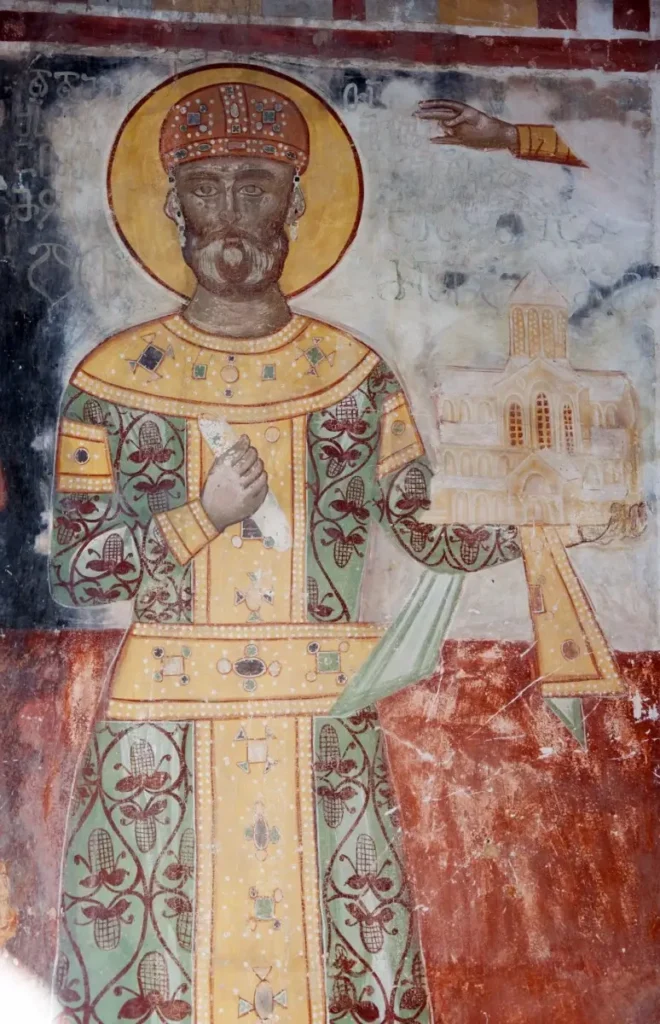
In the history of Georgia, one such ruler is David IV, whom posterity named “the Builder” (Agmashenebeli) — a king who not only won battles, but restored a nearly ruined country into a strong and unified state.
Today, almost nine centuries later, David the Builder is a national hero to Georgians and, in the eyes of historians, one of the most distinguished statesmen of the Middle Ages.
Georgia Before David’s Accession
At the end of the 11th century, Georgia was in a severe crisis. The Seljuk Empire regularly devastated the country. Many cities and villages were destroyed, the population was abandoning their homes, the economy had almost collapsed, and the royal authority was significantly weakened.
In 1098, the First Crusade in Europe ended successfully, and Jerusalem was taken by the Christians. During the exact same era, in the Caucasus, little Georgia was fighting for its very existence.
In 1089, a young king of only 16 years ascended the throne — David IV. At that time, few could have imagined that in a few decades, this small country would turn into one of the strongest states in the region.
The King Who First Built the State
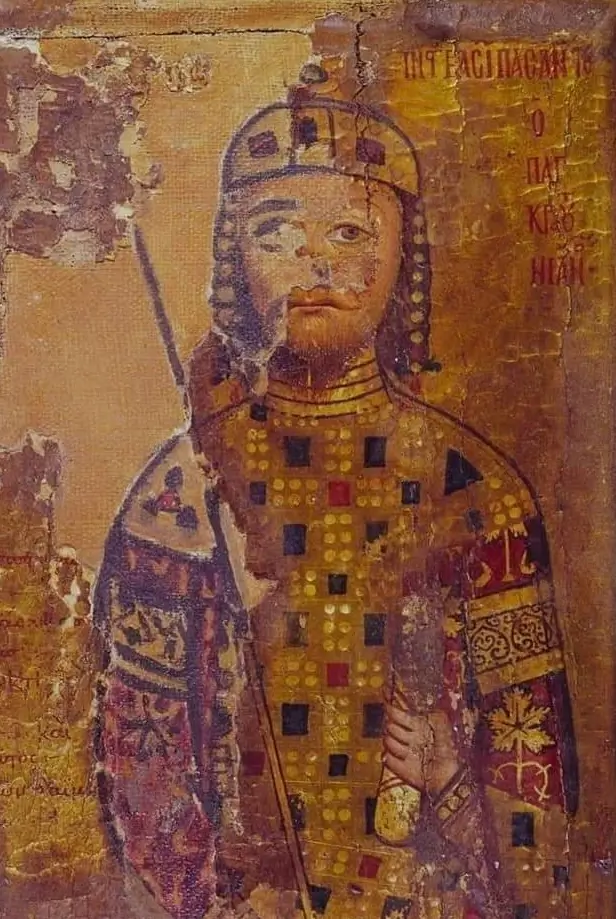
David realized that winning battles alone was not enough. First, a strong state had to be created. He carried out reforms that completely transformed Georgia:
- Central authority was strengthened.
- A professional army was created.
- The tax system was organized.
- Reforms were carried out in the Church.
- Intelligence gathering was developed.
- The rule of law was strengthened.
- Tens of thousands of Kipchak warriors were settled in the country, who later became a significant part of the Georgian army.
In modern terms, David was not just a military leader — he was simultaneously a reformer, economist, diplomat, and strategist.
Didgori — The Battle That Changed History
In 1121, a Seljuk coalition assembled against Georgia. Their goal was simple — to put an end to Georgia’s rise. The enemy significantly outnumbered the Georgians, but David made brilliant use of the terrain, the element of surprise, and the high fighting spirit of his army.
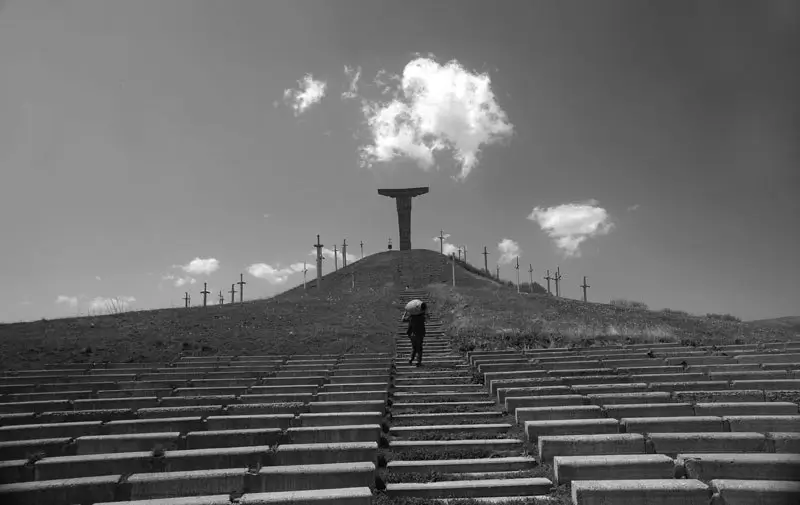
On August 12, on the field of Didgori, the Georgians won a brilliant victory. A Georgian chronicler called this victory a “Miraculous Victory” (Dzlevai Sakvirveli). Military historians today still consider the Battle of Didgori as one of the best examples of how a well-planned strategy can defeat a numerically superior army.
The Recovery of Tbilisi
One year after the victory at Didgori, David liberated Tbilisi. In 1122, the city became the capital of Georgia. This marked the end of a centuries-old era when a large part of Tbilisi was in the hands of foreign rulers. The political unification of the country was practically complete.
Merely a Warrior?
David the Builder is often remembered only for his military successes. In reality, his greatest achievements were the deeds accomplished during peacetime. During his reign:
- Roads were built.
- Schools were opened.
- Trade flourished.
- Security in the country increased significantly.
- Georgia became an important part of international trade routes.
The Gelati Academy — A Medieval Center of Knowledge
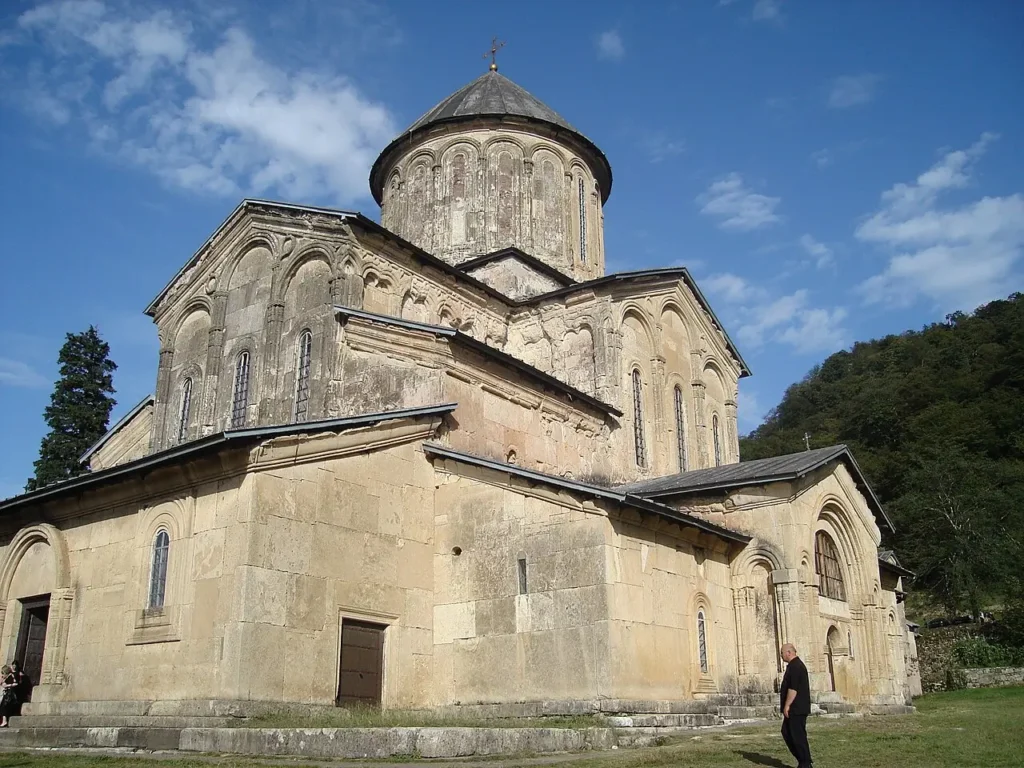
In 1106, David founded the Gelati Monastery and Academy. The finest Georgian thinkers, philosophers, theologians, and scholars of the time gathered here. Some historians even called Gelati “a new Athens” and “a second Jerusalem.” David believed that a strong state is not built on a strong army alone — it also needed education.
Why Was David’s Victory Important for the Christian World?
David the Builder ruled the country during the period when the Crusades were taking place in Europe and the Middle East. By that time, Georgia had become one of the strongest Christian states in the East.
The victory at Didgori significantly weakened Seljuk influence in the South Caucasus and proved that defeating their massive coalition was possible. While historians do not claim that Didgori directly altered the course of the Crusades, it is clear that this victory had a major political and moral impact on the Christian world.
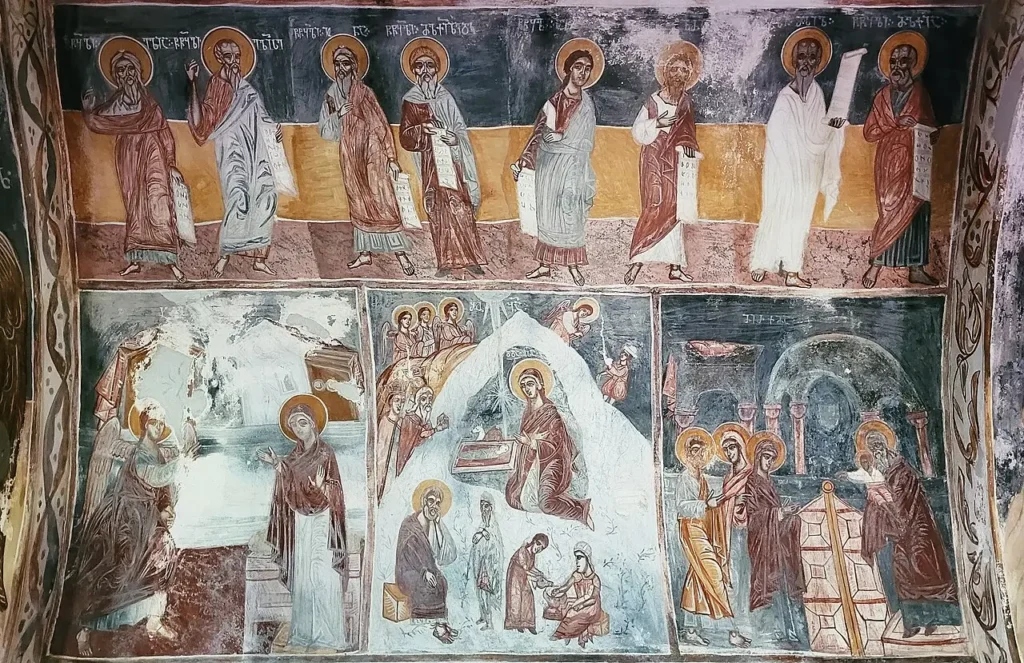
A strong Christian state emerged in the East, which not only preserved its independence but also became one of the leading regional powers. David’s story is not just the history of Georgia. It is the story of how a small country managed to survive surrounded by powerful neighbors. How a young king managed to restore a ruined state. How, alongside military victory, education, economy, and state institutions can become the foundation of a nation’s strength.
In world history, rulers like Alexander the Great, Julius Caesar, Charlemagne, or Napoleon are frequently remembered. David the Builder is far less known internationally, yet his statecraft and reforms provide every reason to rank him among the most successful rulers of the Middle Ages.
Legacy
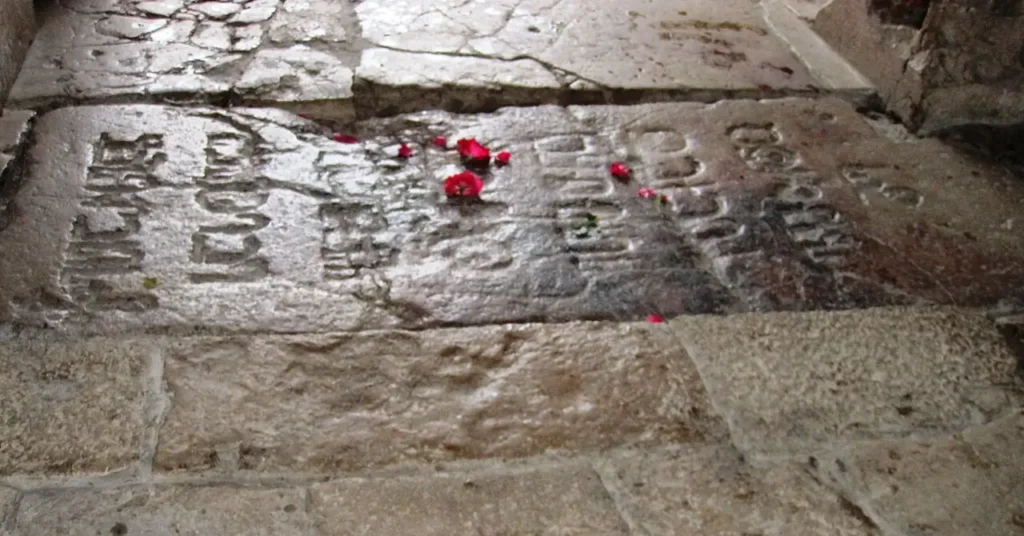
Today, David the Builder’s name is borne by universities, streets, cathedrals, and state awards in Georgia. The period of his reign is considered the beginning of the Georgian people’s “Golden Age.”
However, perhaps his greatest legacy lies neither in his victories nor in the cathedrals he built. His main legacy is the idea that even a small country can create great history if it has a visionary leader, a strong state, and a united society.
That is why David IV is not only a national hero of Georgia today, but also one of the most outstanding statesmen of the Middle Ages — an example of a leader whose life proves that wise governance and the right reforms can change the course of history, regardless of a country’s size or geopolitical challenges.
The images used in the article are sourced from Wikimedia Commons and are in the public domain.
If you found the article interesting, share it with your friends and leave a comment.