Iran’s Path from the 20th Century to the Present
World politics often resembles a complex game of chess, where the decisions of one country can shape the fate of an entire region for decades. Among such countries, one of the most significant is Iran — a state whose modern history is filled with revolutions, foreign interventions, ideological shifts, and geopolitical confrontations.
Today, when we often hear about tensions between Iran, Israel, and the United States, this conflict did not begin overnight. Its roots go back to the early 20th century.
Iran in the Early 20th Century — The End of an Empire and New Influences
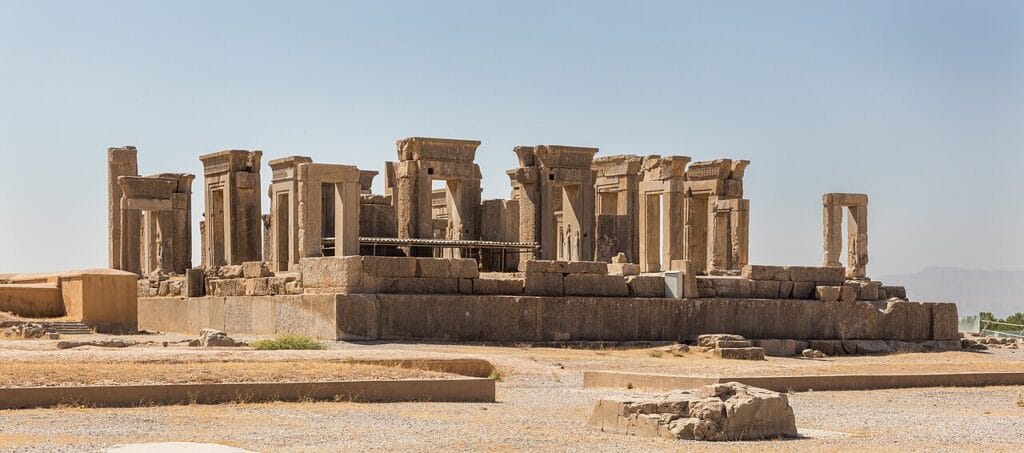
At the beginning of the 20th century, Iran was still under the rule of the Qajar dynasty. The country was weakening, its economy lagging behind, while major powers — especially Britain and Russia — were trying to divide spheres of influence over Iranian territory.
In practice, Iran was in a semi-colonial condition:
- The northern part was under Russian influence
- The southern part was considered a British zone of interest
During this time, the first national movements emerged in Iran, aiming to strengthen the country’s independence.
Reza Shah and the Era of Modernization
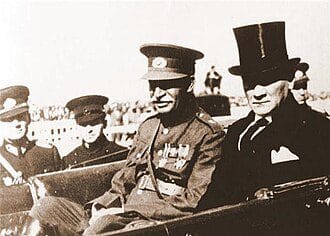
In 1921, Reza Khan came to power, later founding the Pahlavi dynasty and becoming Shah — Reza Shah Pahlavi.
His goal was to modernize Iran:
- Strengthening the army
- Developing infrastructure
- Creating a Western-style state
- Reducing the influence of religion in politics
Reza Shah pushed Iran toward a more European model, though his rule was authoritarian. This period marked the beginning of a deep internal conflict:
- Western modernization
- Traditional religious society
1953 — A Decisive Coup
One of the most important moments in Iran’s modern history was the 1953 coup.
Prime Minister Mohammad Mossadegh attempted to:
- Nationalize Iran’s oil
- Reduce British influence
Britain and the United States viewed this as a threat and carried out an operation that removed Mossadegh from power and strengthened the Shah — Mohammad Reza Pahlavi.
This event is still seen in Iran as a symbol of Western вмешательство and remains deeply rooted in public memory.
The Shah’s Regime and Growing Discontent
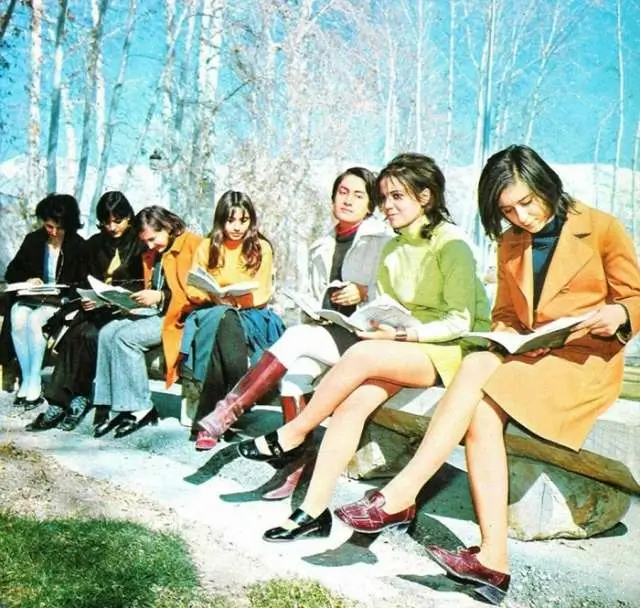
During the 1950s–70s, Iran developed rapidly:
- Oil revenues increased
- Cities modernized
- Military power grew
However, at the same time:
- Social inequality increased
- Political opposition was suppressed
- Religious groups expressed dissatisfaction
The Shah’s regime became a strong ally of the West, especially the United States.
The 1979 Islamic Revolution — Everything Changes
1979 marked a turning point in Iran’s history.
After mass protests, the Shah left the country, and Ayatollah Ruhollah Khomeini returned, establishing the Islamic Republic.
The new regime:
- Abolished the monarchy
- Introduced Islamic laws
- Strongly opposed the West
This is where the modern phase of Iran–US confrontation truly began.
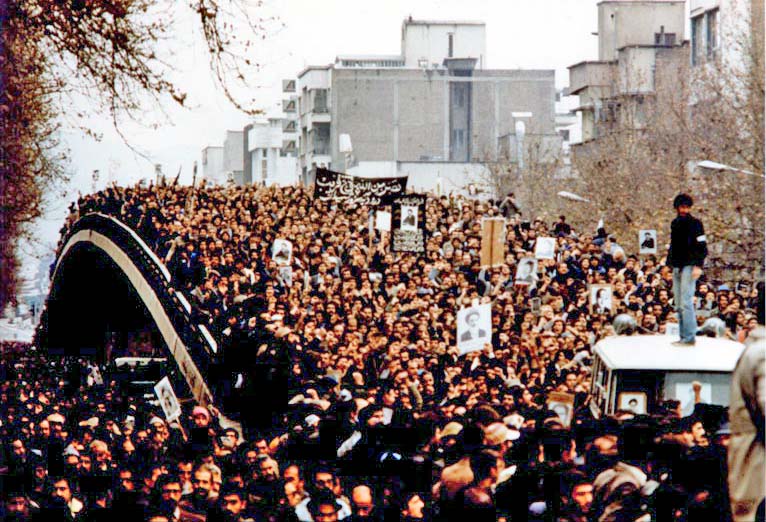
The 1979 Hostage Crisis — Total Breakdown of Trust
After the revolution, Iranian students seized the US embassy in Tehran and took American diplomats hostage.
The crisis lasted 444 days.
It:
- Completely destroyed Iran–US relations
- Triggered an era of sanctions
- Created deep political hostility
Iran–Iraq War and Regional Consolidation
In the 1980s, the Iran–Iraq War began and lasted nearly 8 years.
It:
- Strengthened Iran militarily
- Weakened it economically
- Further isolated it from the West
Iran and Israel — Hidden and Open Confrontation
Relations with Israel changed drastically after the revolution.
While Iran had maintained some cooperation during the Shah’s era, the Islamic Republic took a completely different stance:
- Iran does not recognize Israel as a state
- Supports groups opposing Israel in the region
Israel, in turn, sees Iran as one of its main security threats.
The United States, Sanctions, and the Nuclear Program
Since the 1990s, the US has imposed various economic sanctions on Iran.
Main reasons:
- Allegations of supporting terrorism
- Regional conflicts
- Development of a nuclear program
Iran insists its program is for peaceful energy purposes.
The 21st Century — A New Era of Tension
In recent decades:
- Iran’s influence in the Middle East has grown
- The US and Israel have adopted tougher policies
- Regional conflicts often involve Iran
Today, this relationship is shaped by:
- Heavy historical memory
- Religious and ideological differences
- Geopolitical interests
Conclusion — A History Still Unfinished
Iran’s history from the 20th century to the present shows one thing: a country’s fate is not determined only by internal processes. External forces, ideologies, and historical traumas create realities that last for decades.
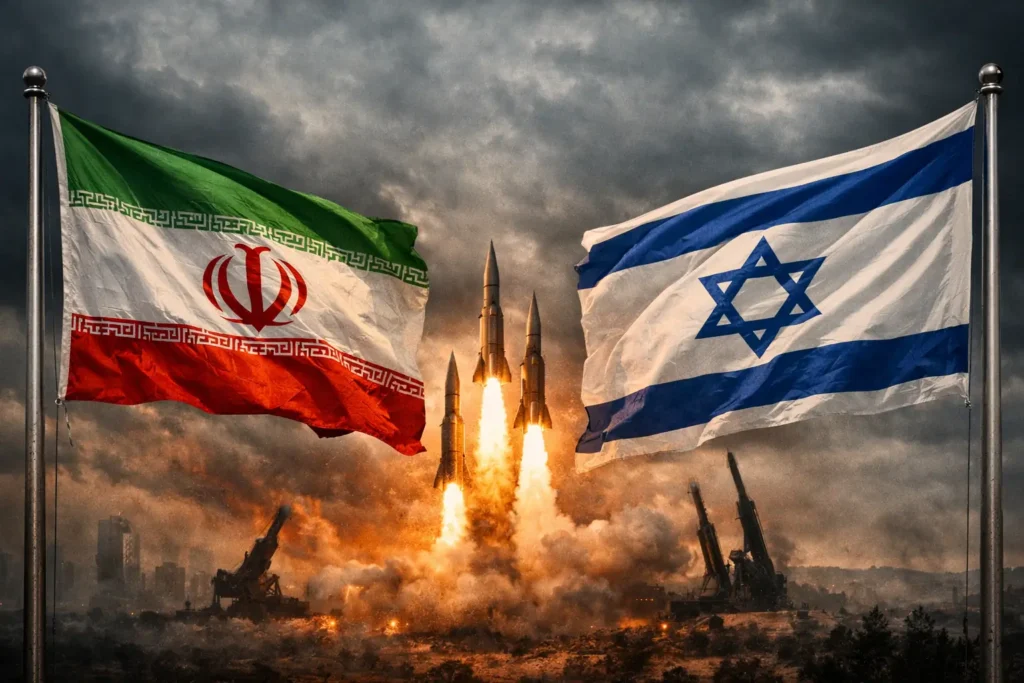
The Iran–US–Israel confrontation is not just modern politics — it is the result of a century of accumulated history.
And this story, most likely, is far from over.
The images used in the article are sourced from Wikimedia Commons and are in the public domain.
If you found the article interesting, share it with your friends and leave a comment.