Operation Gold – The CIA Tunnel That the KGB Knew About From the Very Beginning
Introduction
The Cold War era was not merely a race of nuclear weapons and military might. It was a period of intelligence, counterintelligence, covert operations, and information warfare, where a single stolen document or one intercepted phone call could sometimes play a more significant role than an entire military division.
One of the most daring and, at the same time, paradoxical operations of this era was Operation Gold — an underground tunnel dug by the American Central Intelligence Agency (CIA) and the British Secret Intelligence Service (MI6) to tap into East Berlin’s telephone lines.
From a technical standpoint, the operation was considered a brilliant success, yet there is one crucial detail: Soviet intelligence — the KGB — knew about all of this almost from the very beginning.
How did this happen? Why didn’t they stop the operation immediately? And who was the person who betrayed one of the West’s most classified missions to the Soviet Union?
Berlin – The Capital of Spies
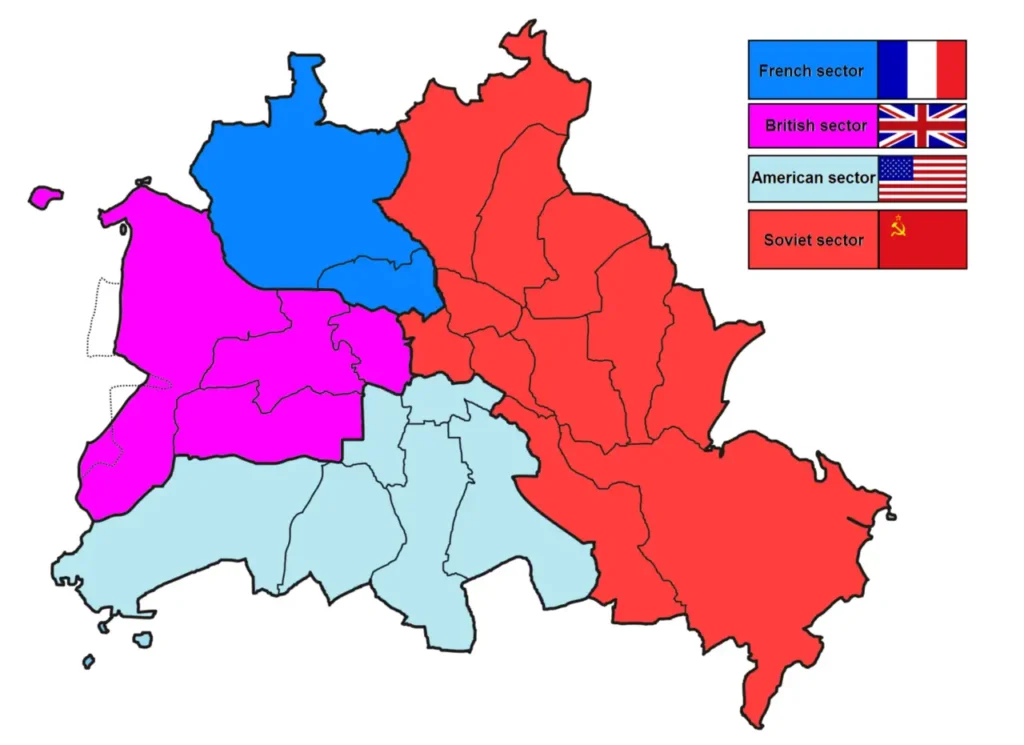
After the end of World War II, Germany was divided into two parts:
- West Germany – under the influence of the US, Great Britain, and France.
- East Germany – under the control of the Soviet Union.
However, the strangest situation unfolded in Berlin. The city was located deep within the Soviet zone, but was itself divided into four sectors. Western and Soviet intelligence services worked right next to each other.
By the 1950s, Berlin had become the largest espionage hub in the world. The following took place here on a daily basis:
- Recruitment of agents;
- Secret meetings;
- Theft of documents;
- Exchange of information;
- Monitoring of telephone communications.
Why Did the CIA Need a Tunnel?
At that time, thousands of phone conversations took place daily between the Soviet military headquarters and East German state structures. The CIA was convinced that it was precisely on these lines that they could intercept:
- Military orders;
- Movements of tanks and troops;
- Aviation plans;
- Soviet strategic decisions.
The problem was that these cables ran through the territory of East Berlin, where Western agents could not operate freely. A completely new solution was required.
The Idea: An Underground Tunnel
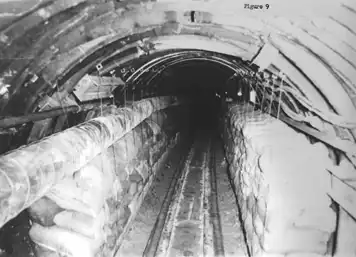
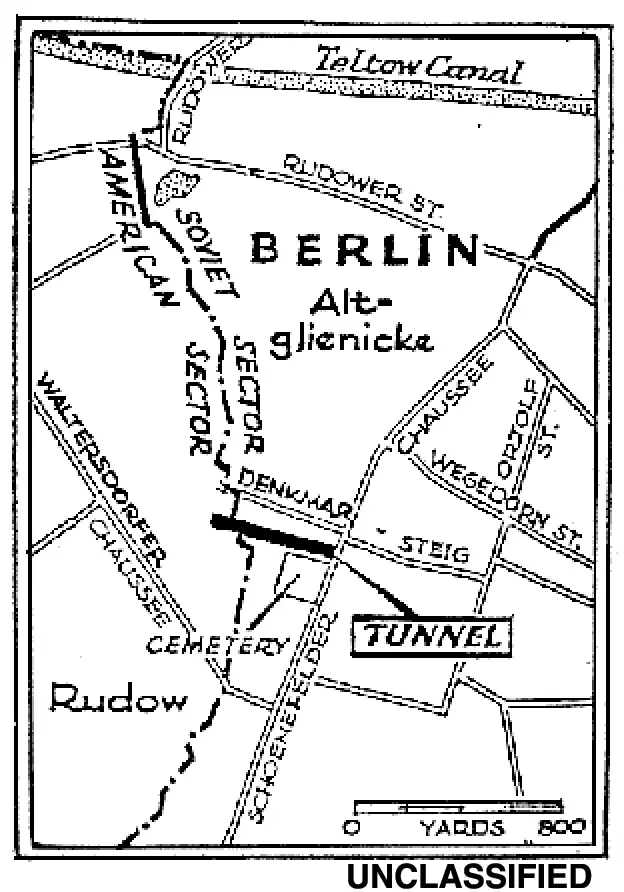
In 1953, the CIA and MI6 began planning a secret project. The plan was incredibly bold. An underground tunnel was to be dug from West Berlin, crossing the border to reach the Soviet telephone cables. There, specialized equipment would tap into the cables, and all conversations would be secretly recorded.
The operation was codenamed Gold. For the British, the same project was known as Operation Stopwatch.
Construction of the Tunnel
The work was carried out under extreme secrecy. The CIA constructed a building resembling a military warehouse in West Berlin. Officially, it was supposed to house radar equipment. In reality, however, the digging of the tunnel began beneath the building.
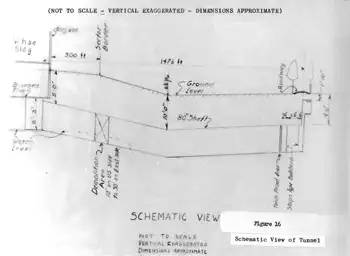
Tunnel Specifications:
- The length was approximately 450 meters;
- The depth was about 6 meters;
- It was equipped with ventilation;
- It featured an electrical system;
- Water pumps were installed;
- The temperature was constantly controlled;
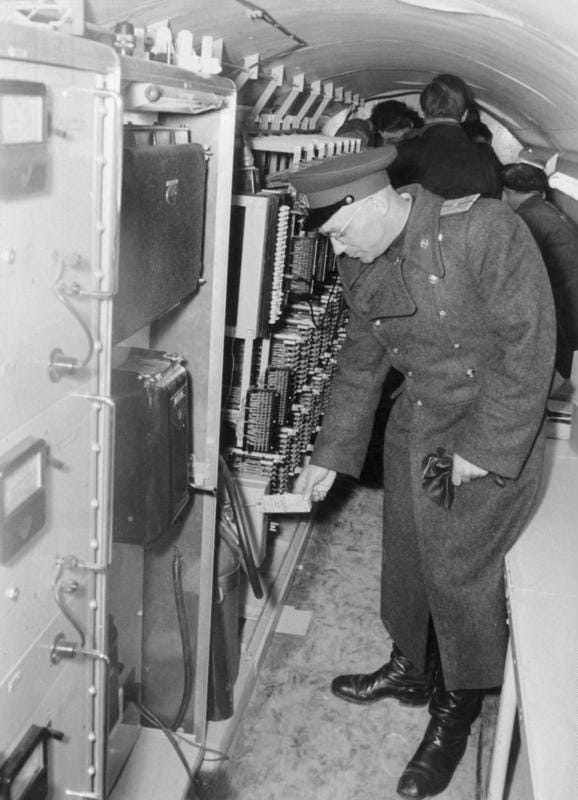
- A special chamber was built to access the cables.
According to engineers, constructing an underground tunnel with such precision at that time was a major technological achievement.
How Did the System Work?
Special wiretapping devices were installed on the Soviet cables. Then:
- Conversations were recorded;
- Stored on magnetic tapes;
- Specialists translated them;
- Analysts processed the information.
Hundreds of hours of recordings were collected daily. Over several years, thousands of documents accumulated.
Everything looked perfect… The operation was running successfully. The CIA believed that the Soviet Union noticed nothing. The secret project was considered one of the greatest victories of Western intelligence. But in reality, things were entirely different.
The Man Who Betrayed Everything
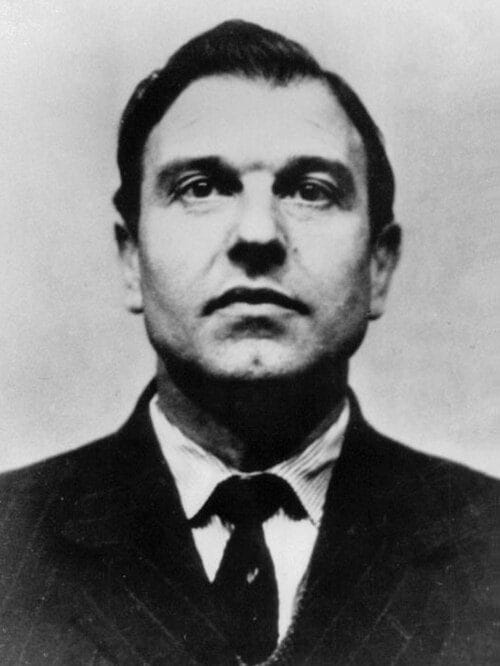
A few years before the operation began, a man named George Blake worked for British intelligence. He was an MI6 officer. However, during the Korean War, he was recruited by the Soviet Union. Blake became a KGB double agent.
When Operation Gold was being planned, he was among those who had access to information regarding the project. He passed every single detail to Moscow.
The KGB Knew Everything
Today, from declassified documents, it is known that the KGB received information about the operation even before the tunnel was completed. They knew:
- The location of the tunnel;
- Technical details;
- Wiretapping systems;
- The CIA’s objectives.
And yet… the operation was not destroyed.
Why Didn’t They Close the Tunnel?
This is the most intriguing question. If Soviet intelligence knew everything, why did they allow the CIA to continue working? Historians suggest there were several reasons:
1. Protecting the Double Agent If the tunnel had been discovered immediately, the West would have realized that someone had betrayed their secret plan. This would automatically cast suspicion on MI6 personnel. The KGB did not want to lose its most valuable agent.
2. Disinformation There is a theory that the Soviet side deliberately conducted conversations that would mislead Western analysts. While not all recordings were fabricated, certain information may have been specifically curated.
3. Operational Observation The KGB observed how successfully the CIA operated and what capabilities Western technology possessed. This was also an important learning experience for them.
The End of the Operation
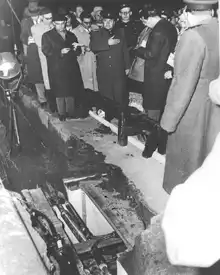
In April 1956, East German workers discovered the tunnel, seemingly by accident. The Soviet side held a massive press conference. They publicly accused the West of violating international law. Journalists were taken on tours of the tunnel. A major global scandal erupted. In reality, however, the KGB had already known of its existence for a long time.
Was the Operation a Success?
This is still debated to this day.
On one hand:
- Hundreds of thousands of phone recordings were obtained;
- Vital military information was gathered;
- Technologically, the operation was unique.
On the other hand:
- The Soviet side was informed from the very beginning;
- Part of the information might have been intentionally altered or selected;
- Ultimately, it turned out that the entire project had been betrayed by a double agent.
The Fate of George Blake
In 1961, George Blake was arrested in Britain. He was sentenced to 42 years in prison — one of the harshest sentences for espionage at that time. However, in 1966, he managed a dramatic escape from prison. He then escaped to the Soviet Union via East Germany, where he was received as a hero. Blake spent the remaining years of his life in Moscow and passed away in 2020 at the age of 98.
Legacy
Today, Operation Gold is considered one of the most famous engineering projects in the history of military intelligence. It is frequently cited as an example when discussing:
- Technological innovations;
- Double agents;
- The importance of counterintelligence;
- Covert operations of the Cold War.
This story serves as another reminder that in the world of intelligence, even the most sophisticated technology can become useless if classified information falls into the wrong hands.
Interesting Facts
- The length of the tunnel was approximately 450 meters.
- The operation functioned from May 1955 to April 1956.
- Hundreds of thousands of phone conversations were recorded, forming the basis of thousands of intelligence reports.
- The project was a joint operation between the CIA and MI6.
- In Britain, the operation was known by the name Operation Stopwatch.
- The information betrayed by George Blake is considered one of the most significant intelligence breaches of the Cold War.
Conclusion
Operation Gold remains one of the most fascinating stories of the Cold War. On one hand, it stood as an example of engineering mastery and intelligence daring — an underground tunnel that secretly tapped into the enemy’s communication network. On the other hand, this operation clearly demonstrates that success in intelligence does not rely on technology alone. A single double agent was enough for one of the West’s most classified projects to be known to the adversary from its very inception.
This story reveals the Cold War era once again as an intellectual battle fought in the shadows, where victory was often determined not by weapons, but by information, trust, and human choices.
The images used in the article are sourced from Wikimedia Commons, cia.gov and are in the public domain.
If you found the article interesting, share it with your friends and leave a comment.