
The Vatican Apostolic Archive: What Is Hidden Inside One of Humanity’s Most Mysterious Repositories?
For centuries, hidden behind the walls of the Catholic Church in the heart of Rome, there has been a place that has fascinated historians, researchers, and conspiracy theorists alike. Towering vaults, strict security, and underground storage facilities safeguard one of humanity’s most significant collections of historical documents. This is the Vatican Apostolic Archive, formerly known as the Vatican Secret Archive.
What lies along its approximately 85 kilometers (53 miles) of shelving? Why was it virtually inaccessible for centuries, and why does it remain one of the world’s most mysterious archives today?

Myth and Reality: Why Was It Called “Secret”?
Before exploring the archive itself, it is important to clear up one of the biggest misconceptions surrounding it.
For centuries, the archive’s official Latin name was Archivum Secretum Vaticanum. In modern languages, the word Secretum is often translated as “secret,” but in the Latin of the time it actually meant “private” or “personal.” The archive was the personal archive of the Pope rather than a hidden repository of forbidden knowledge.
Even so, access to it was indeed highly restricted. In 1612, Pope Paul V formally established it as an independent institution, and for centuries only the Pope’s closest officials were allowed inside. Until the nineteenth century, entry for outside scholars was virtually impossible.
Everything changed in 1881, when Pope Leo XIII opened the archive—under strict conditions—to qualified academic researchers, marking the beginning of a new era in historical scholarship.
In 2019, Pope Francis officially renamed the institution the Vatican Apostolic Archive to eliminate the misunderstanding created by the word Secretum.
Eighty-Five Kilometers of History
Physically, the Vatican Apostolic Archive consists of several historic buildings and modern underground storage facilities. Part of the collection is housed in specially reinforced underground repositories equipped with advanced climate-control systems that carefully regulate temperature and humidity to preserve centuries-old parchment, papal bulls, manuscripts, and other priceless documents.
The archive’s scale is extraordinary:
- Approximately 85 kilometers (53 miles) of shelving.
- Tens of thousands of archival volumes and collections.
- Millions of historical documents, with the oldest dating back to the eighth century.
These collections preserve correspondence between monarchs and popes, diplomatic agreements, court records, papal documents, and countless sources documenting the political, religious, and cultural history of Europe.
Some of the Archive’s Most Remarkable Documents
Henry VIII’s Request for an Annulment
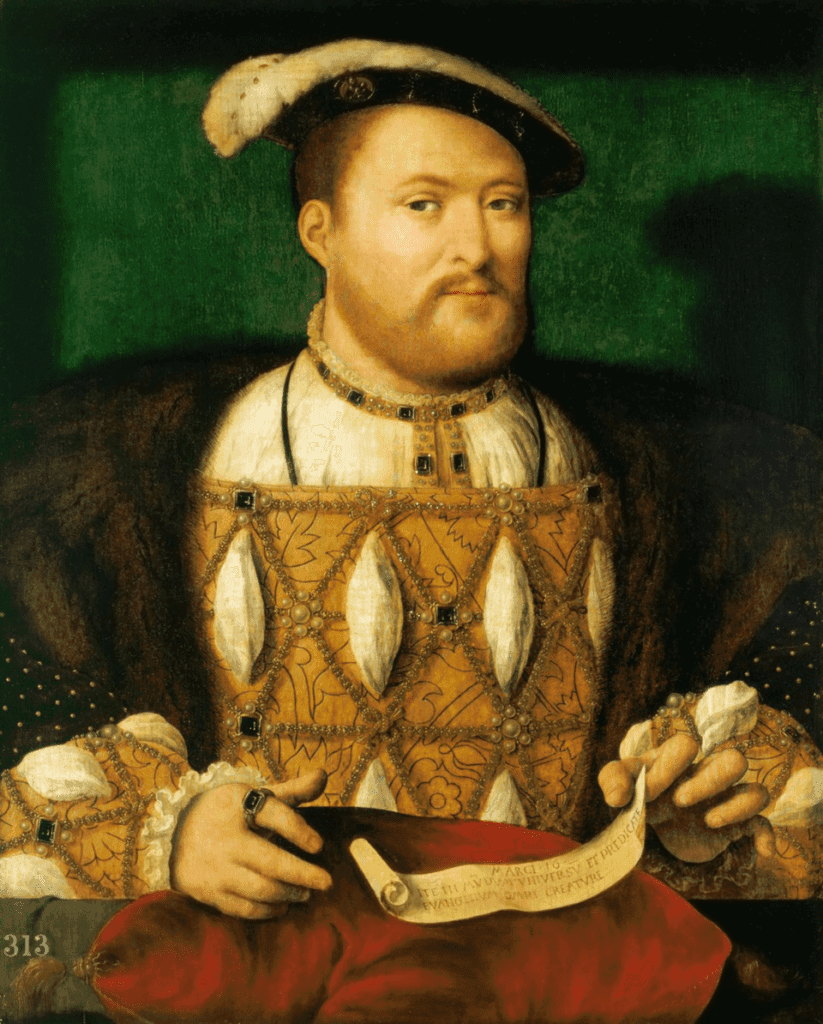
One of the archive’s best-known treasures is a nearly three-meter-long parchment dating from 1530. Signed by England’s political and religious elite, it petitions Pope Clement VII to annul King Henry VIII’s marriage to Catherine of Aragon.
The Pope refused, a decision that ultimately led to England’s break with Rome and the birth of the Anglican Church.
Galileo’s Trial Records
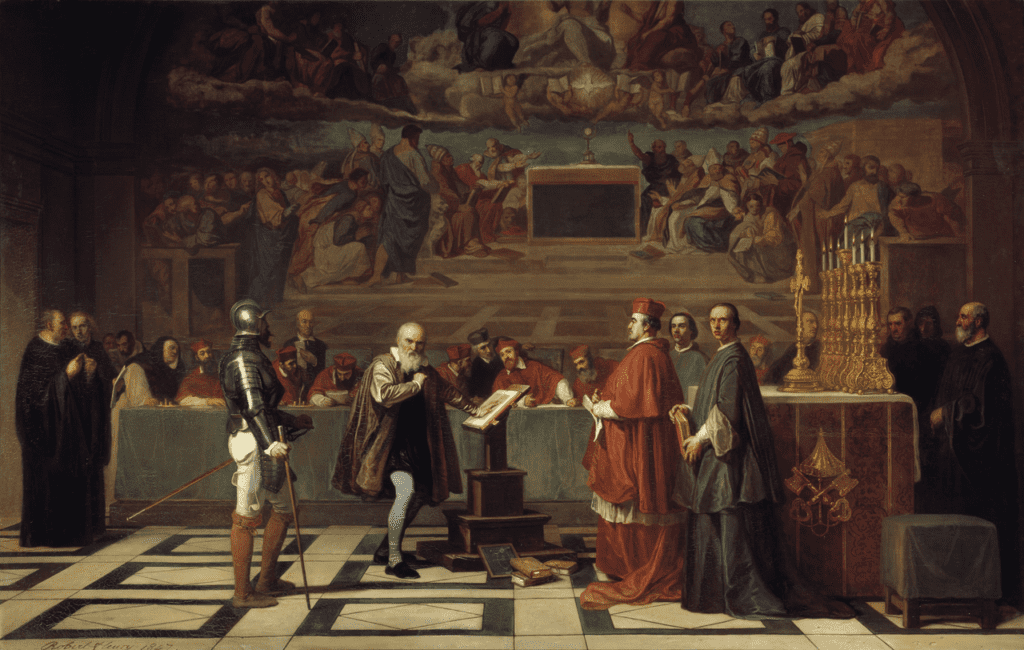
The archive preserves the original records of Galileo Galilei’s 1633 trial before the Roman Inquisition.
These documents describe how Galileo was compelled to publicly renounce his support for the heliocentric model. Among them is his signature acknowledging the formal recantation that spared him from a harsher sentence.
The Chinon Parchment

For centuries, the Chinon Parchment, dated 1308, was believed to be lost until it was rediscovered in 2001.
The document reveals that Pope Clement V granted absolution to the leaders of the Knights Templar, although political pressures ultimately led to the dissolution of the order.
Mary, Queen of Scots’ Final Letter
Shortly before her execution, Mary, Queen of Scots, wrote an emotional letter to Pope Sixtus V, affirming her Catholic faith and reflecting on her impending death. It remains one of the archive’s most moving personal documents.
Letters from Famous Historical Figures
The archive also contains correspondence from renowned individuals such as Michelangelo, Abraham Lincoln, Jefferson Davis, and numerous monarchs, offering remarkable insights into the political and cultural history of their respective eras.
Pope Pius XII and the Second World War
One of the archive’s most significant and controversial collections concerns the Second World War.
In March 2020, Pope Francis opened the archives of Pope Pius XII’s pontificate to researchers, declaring:
“The Church is not afraid of history.”
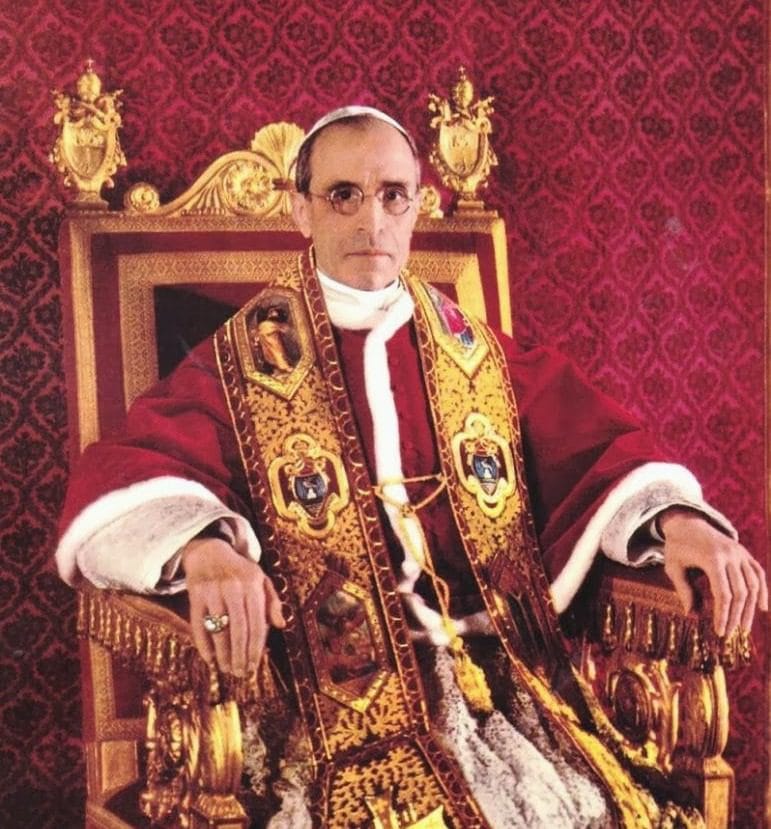
Early research suggests that the Vatican secretly assisted thousands of Jews through diplomatic channels and religious institutions. At the same time, the documents indicate that Pope Pius XII avoided publicly and forcefully condemning Nazi Germany. Historians continue to study these records, and debate over his wartime role remains ongoing.
Popular Conspiracy Theories
Because much of the archive remains inaccessible to the general public, it has inspired countless conspiracy theories.
It is important to note that none of the following claims have been supported by reliable historical evidence.
The Lost Documents of Jesus
One popular legend claims that the Vatican possesses early Christian writings presenting an alternative account of Jesus Christ’s life. No credible evidence has ever confirmed this claim.
The Chronovisor
According to legend, Italian priest Pellegrino Ernetti invented a device capable of viewing past events. Some versions of the story even claim that it was used to witness the Crucifixion of Jesus. Neither the existence of such a device nor its alleged capabilities has ever been verified.
The Third Secret of Fátima
Although the Vatican published the Third Secret of Fátima in 2000, some continue to believe that the real prophecy remains hidden. No evidence supports this belief.
Why Is Access Still So Restricted?
Although the archive is officially open, entry is limited to qualified scholars.
Researchers must present academic credentials and institutional recommendations.
Applicants must specify exactly which documents they intend to study, as browsing freely through the collections is not permitted.
Only a limited number of archival files may be requested each day.
Strict security procedures govern the handling of documents, and all research takes place under carefully controlled conditions.
Conclusion
The Vatican Apostolic Archive is far more than a repository of ancient documents. It is one of humanity’s greatest historical memories, preserving centuries of religious, political, scientific, and diplomatic history.
While conspiracy theories about extraterrestrials, hidden gospels, or mysterious machines continue to capture the public imagination, the authentic historical records preserved within the archive are far more fascinating than fiction.
For that reason, the Vatican Apostolic Archive remains one of the world’s most extraordinary and enigmatic repositories of human history—one that may yet reveal new insights into our past for generations to come.
The images used in the article are sourced from Wikimedia Commons and are in the public domain.
If you found the article interesting, share it with your friends and leave a comment.








I think there are many documents that can not bi unveiled