
Atlantis – The Lost Civilization
In world history, few topics are as mysterious and captivating as Atlantis. For centuries, people have tried to answer one question — was it a real civilization, or just a legend that over time became one of the greatest historical mysteries?
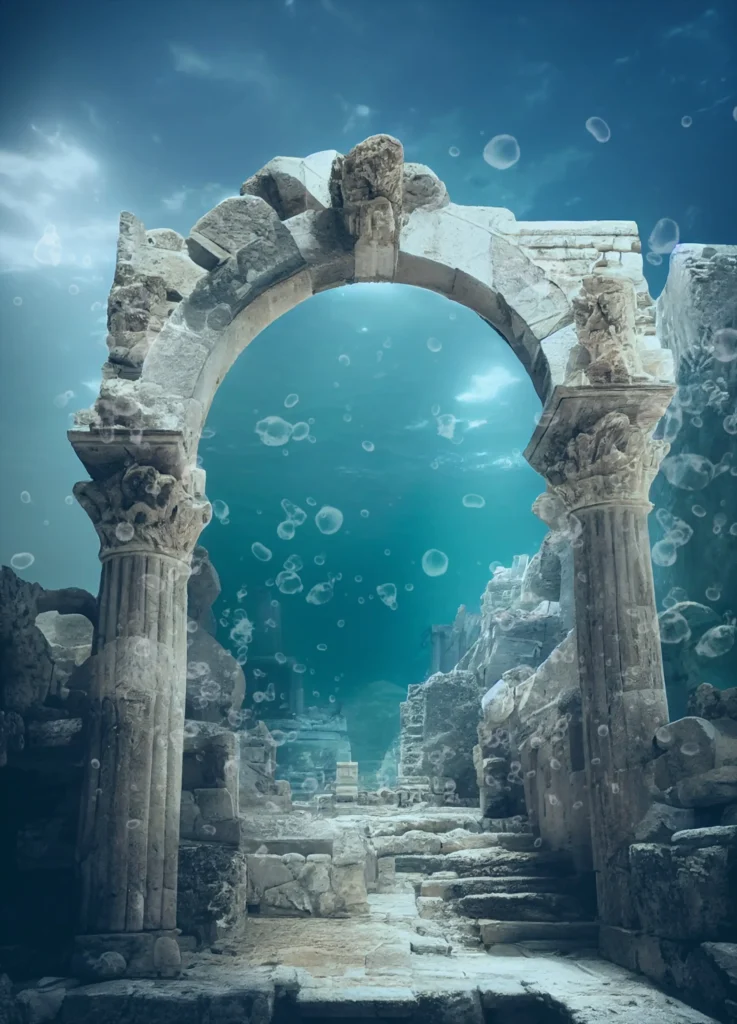
The Beginning: Where Did the Story of Atlantis Come From?
The first written source about Atlantis is found in the works of the ancient Greek philosopher Plato — Timaeus and Critias.
Plato describes a powerful and advanced island state that existed about 9,000 years before his time. According to him:
- Atlantis was located beyond the “Pillars of Hercules” (modern-day Strait of Gibraltar)
- It was a rich, technologically advanced civilization with a powerful military
- They attempted to conquer other lands but ultimately failed
The most dramatic part is that, according to Plato, Atlantis disappeared in a single day and night due to earthquakes and floods.

What Was Atlantis Like?
According to Plato, Atlantis was highly organized and developed:
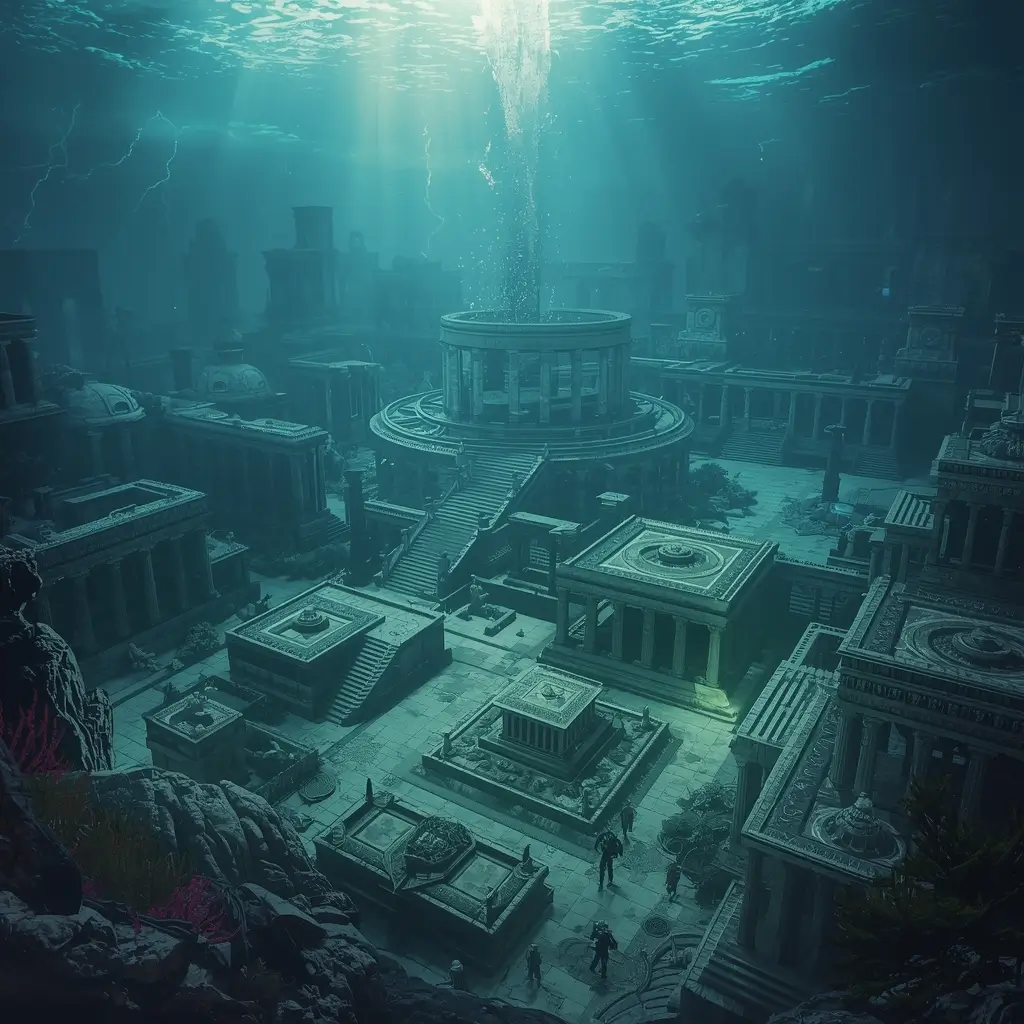
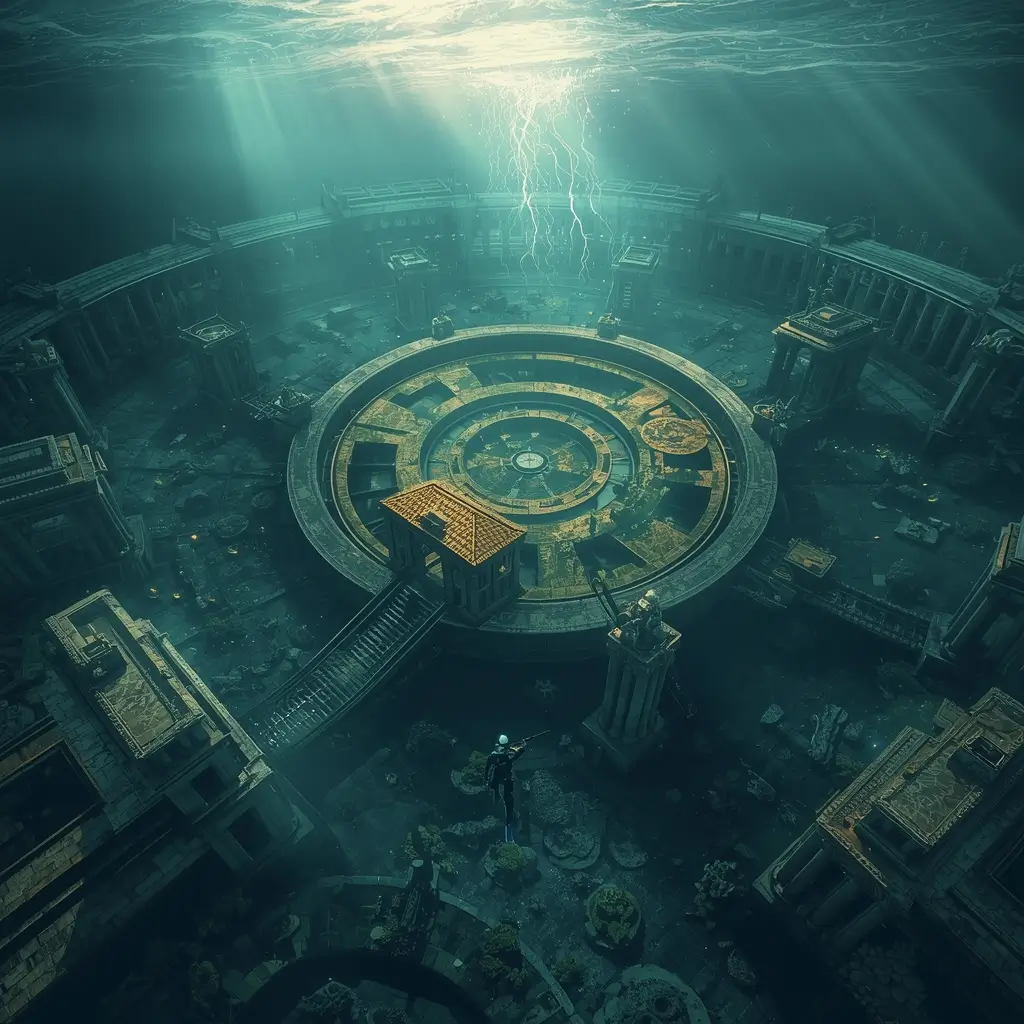
- The city was built in concentric circles of land and water
- It had a complex system of canals and water supply
- Buildings were decorated with precious metals, including the mysterious “orichalcum”
- The population lived in wealth and an organized system
Atlantis is often described as a utopian civilization that ultimately fell due to its own arrogance.
Why Was Atlantis Destroyed?
According to Plato, the fall of Atlantis was not just a natural disaster, but a form of punishment:
- At first, the Atlanteans were noble and just
- Over time, they became arrogant and power-hungry
- They tried to dominate other peoples
In the end, the gods (according to Greek mythology) punished them, and the island sank.
Myth or Reality?
This is the main question that has remained relevant for centuries.
1. Myth
Many historians believe Atlantis was simply an allegory used by Plato:
- To illustrate an ideal state and its fall
- To deliver a moral lesson
- To support political philosophy
According to this view, Atlantis never existed.
2. A Real Civilization (Possible Theories)
Despite skepticism, many theories suggest Atlantis was based on real events.
🔹 The Thera Eruption
One of the most popular theories links Atlantis to the Minoan civilization:
- A massive volcanic eruption on the Greek island of Santorini
- A huge tsunami that destroyed the civilization
- A sudden and catastrophic end
🔹 Lost Civilizations in the Atlantic Ocean
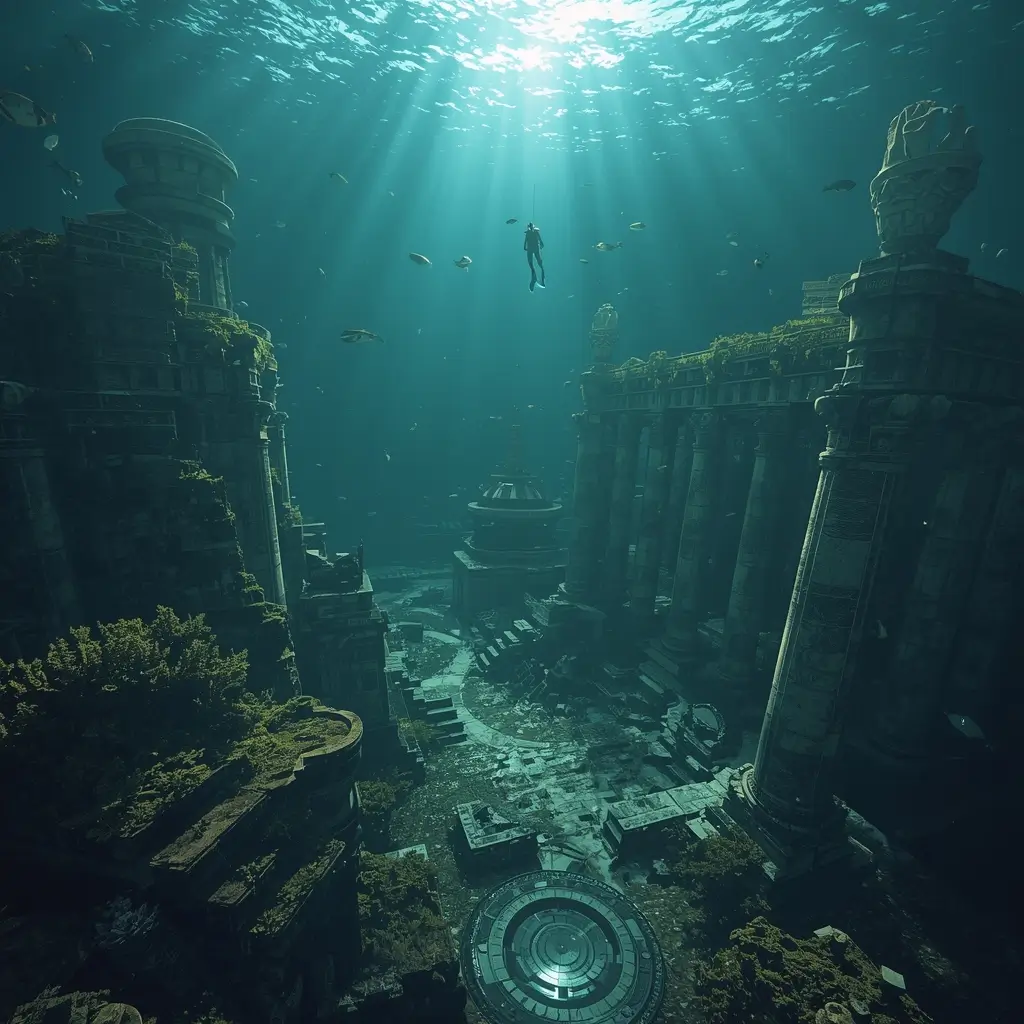
Some researchers believe Atlantis may have been a real island that sank:
- Strange structures discovered on the ocean floor
- Theories about underwater “cities”
- Unexplained archaeological findings
However, no evidence has been definitively proven.
Why Does Atlantis Still Fascinate Us?
Atlantis remains one of the most popular topics:
- Documentaries
- Books and research
- Online theories and discussions
It attracts people because it combines:
- Mystery
- Historical interest
- Endless imagination
Why Are We Interested in Atlantis?
Atlantis is more than just the story of a lost city. It represents:
- Humanity’s desire to discover lost knowledge
- The search for an ideal society
- A warning that even the most powerful civilizations can fall
Conclusion
To this day, it remains unknown whether Atlantis ever truly existed. It may be just Plato’s imagination — or a fragment of real history lost over time.
One thing is clear:
Atlantis remains a symbol of a lost world that will always fascinate humanity.
If you found the article interesting, share it with your friends and leave a comment.