Biotechnology — Artificial Organs and the Genetic Revolution
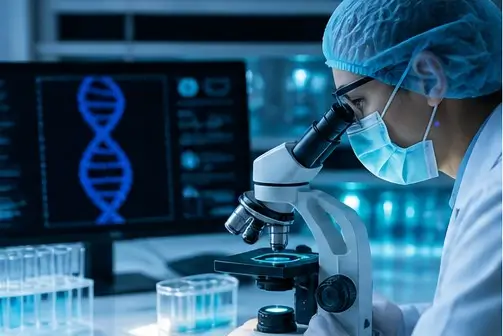
In recent decades, biotechnology has become one of the fastest-developing fields of science. This field combines biology, chemistry, engineering, and information technologies to create solutions that were once considered part of science fiction. Today, artificial organs, gene editing, and personalized medicine are already a reality — all of which fundamentally change the quality and duration of human life.
Artificial Organs — A New Chance for Life

Organ donation has always been one of the most difficult problems in medicine. The shortage of donors and long waiting lists often deprived people of the chance to live. This is exactly where one of the most impressive achievements of biotechnology appears — artificial organs.
Modern scientists are already creating tissues grown in laboratories that are compatible with the human body. This process is called “tissue engineering.” For example, it is already possible to create skin, cartilage, and in some cases simple organs using the patient’s own cells, which reduces the risk of rejection.
Particularly interesting is 3D bioprinting — a technology that allows the structure of an organ to be printed using special “bio-ink.” Although fully functional hearts or livers are still under development, progress is so rapid that in the coming decades this may become everyday practice.
Tissue engineering — real applications
Japanese scientists used stem cells to create retinal tissue.
Then this tissue was transplanted into patients
👉 Goal: treatment of blindness
In the United States, laboratory-grown skin is widely used:
A skin layer is created from the patient’s own cells
👉 It is used in severe burns and reduces the risk of infection and rejection
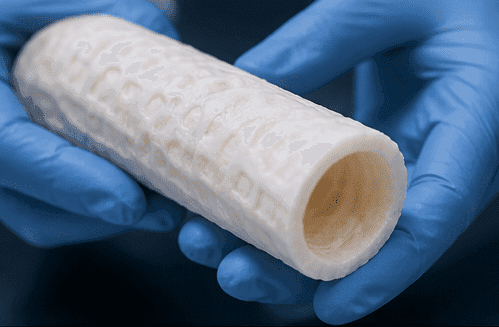
In Spain, a laboratory-created trachea (windpipe) was transplanted into a patient:
Patient’s cells were used
👉 The body successfully accepted the new organ
Genetic Revolution — Changing the Human Code

The second major direction of biotechnology is unfolding in the field of genetics. Gene-editing technologies have given scientists the ability to directly intervene in the structure of DNA and modify it.
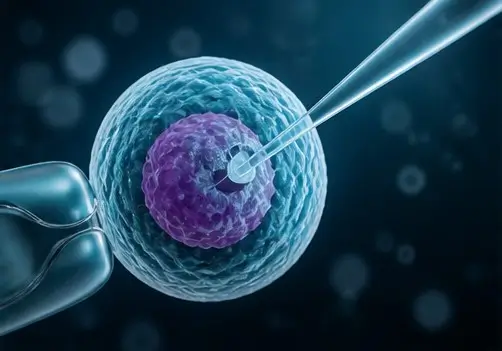
The most well-known such technology is CRISPR-Cas9 — a method that works like “molecular scissors” for DNA. With its help, it is possible to “turn off” or replace a gene that causes disease.
This means that in the future it may be possible to cure genetic diseases such as:
- Hemophilia
- Cystic fibrosis
- Some types of cancer
Gene therapy is already being used in clinical practice, and the results are quite promising. Scientists are also working on using gene editing not only for treatment but also for prevention of diseases.
Real examples of genetic intervention
1. Gene therapy is actively used in the United States, for example:
- Hereditary blindness (Leber congenital amaurosis)
The drug Luxturna is used, which corrects a specific gene defect in the eye.
👉 Patients partially regain their vision. - Blood diseases (e.g. sickle cell anemia)
CRISPR-Cas9 technology is used, with which the patient’s own cells are edited and then reintroduced into the body.
2. In the United Kingdom, the method of mitochondrial donation is legally used:
- Replacement of diseased mitochondria with healthy ones
- As a result, the child receives DNA from three people
👉 This method is used to prevent severe hereditary diseases.
3. In 2018, Chinese scientist He Jiankui announced that he had created genetically modified twins.
- CRISPR-Cas9 was used
- Goal: to increase resistance to HIV
👉 This experiment was strongly criticized worldwide for ethical reasons, and such practices are strictly controlled today.
Personalized Medicine — Treatment Tailored to You
Traditional medicine often uses the same approach for different patients, but biotechnology is changing this rule. Personalized medicine means adapting treatment individually to a patient’s genetic profile.
For example, doctors can already determine:
- which medicine will be most effective
- what dosage is safe
- whether a patient has a high risk of developing a specific disease
This approach reduces side effects and increases treatment effectiveness.
Ethical and Social Issues
Although biotechnology creates enormous opportunities, it is accompanied by serious ethical questions. For example:
- Do we have the right to “modify” human genes?
- Where is the line between treatment and “designer babies”?
- How safe is genetic intervention in the long term?
These issues are still actively discussed both in scientific and public spheres.
Future Perspectives
Biotechnology is not only changing medicine — it also affects agriculture, ecology, and human civilization as a whole. Scientists are working on genetically modified crops that better withstand climate change and on biological methods that reduce environmental pollution.
Artificial organs may become a standard way of saving lives, while gene editing may become the main method of disease prevention.

Conclusion
Biotechnology is no longer an idea of the future — it is a reality of today that is developing rapidly. Artificial organs and the genetic revolution offer new ways to extend life and improve its quality.
However, along with this progress, responsibility, ethical awareness, and caution are essential. Because ultimately, the question is not only what we can do — but also what we should do.
If you found the article interesting, share it with your friends and leave a comment.