
Vincent van Gogh — The Solitude of Genius
When we mention the name Vincent van Gogh today, we imagine an artist whose works are preserved in the world’s greatest museums and sold for millions of dollars. However, his life had nothing in common with this greatness.
Van Gogh was a man who was of interest to almost no one during his lifetime — he lived in poverty, loneliness, and constant inner struggle.
This is the story of a genius whom the world understood only after his death.
A Difficult Beginning
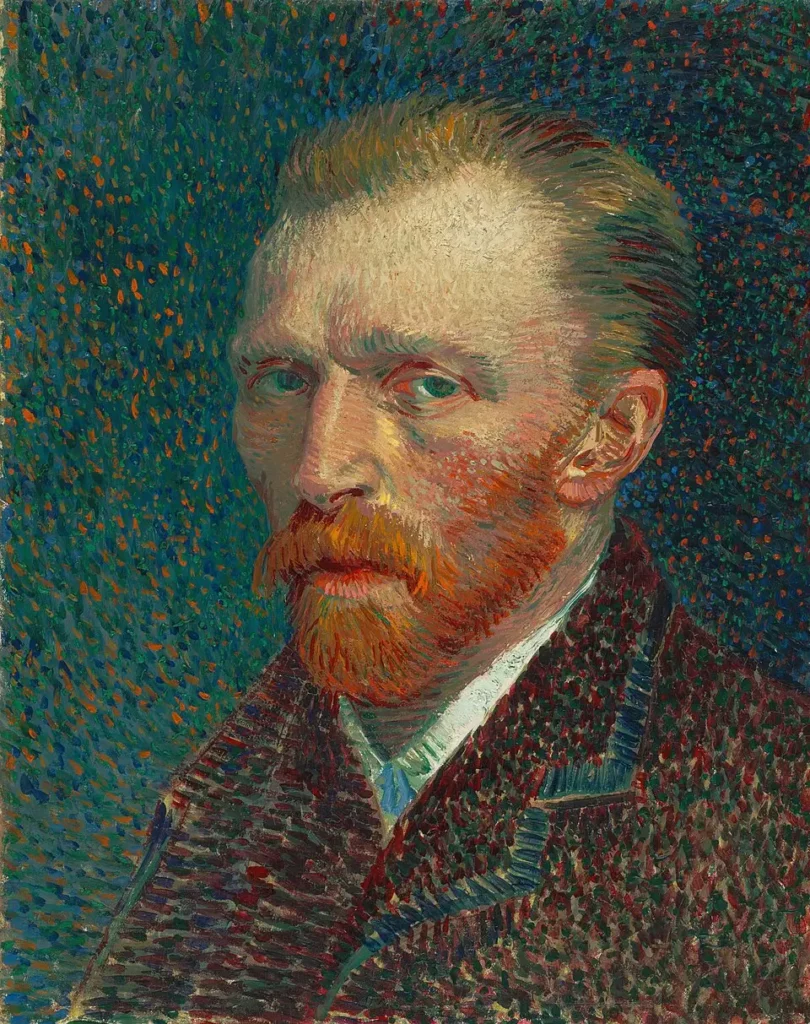
Van Gogh was born in 1853 in the Netherlands. His family was religious — his father was a pastor. As a child, he was introverted, sad, and different from others.
In his youth, he tried various jobs — he was an art dealer, a teacher, a preacher. At one stage, he became so involved in religious life that he lived almost ascetically — he helped the poor and even restricted himself.
But he did not succeed in any field as he wished.
A Late Step Toward Art
Van Gogh began painting relatively late, at about the age of 27. This is the age when many artists are already established.
His early works are dark and heavy. One famous example is “The Potato Eaters,” where poverty and hard labor are depicted.
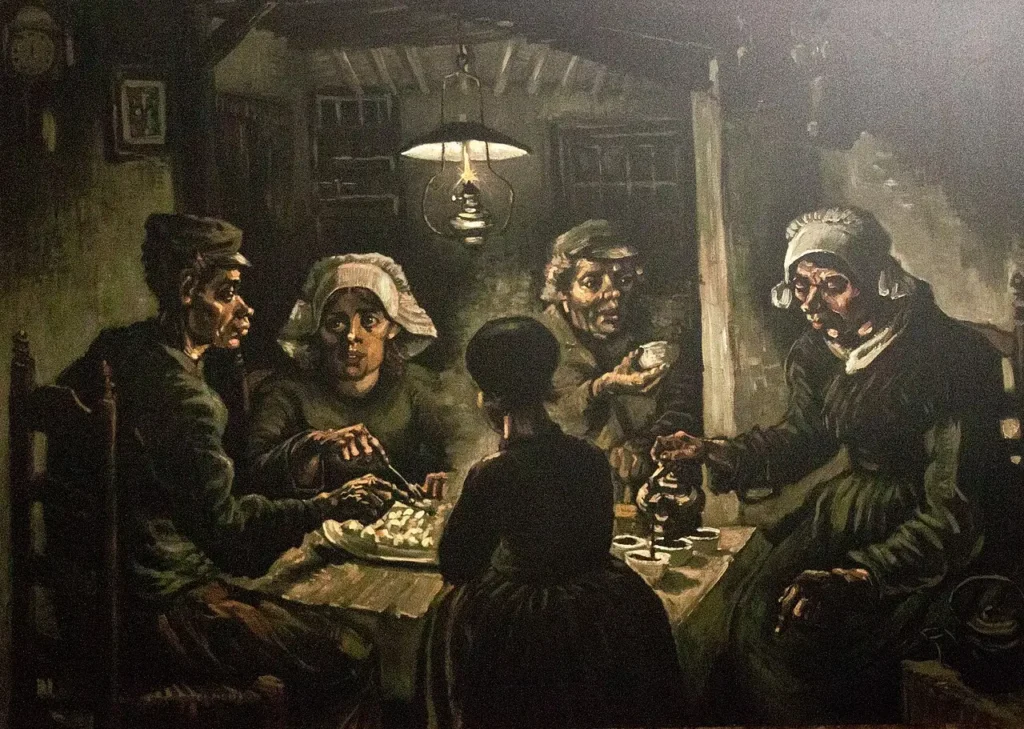
Later, after moving to France, his style changed radically — the colors became bright, energetic, alive.
Here begins his most famous period.
Arles — The Birth and Collapse of Genius
In the French city of Arles, Van Gogh created a large part of his most famous works.
Here he painted:
- “The Starry Night”
- the Sunflowers series
- the Yellow House
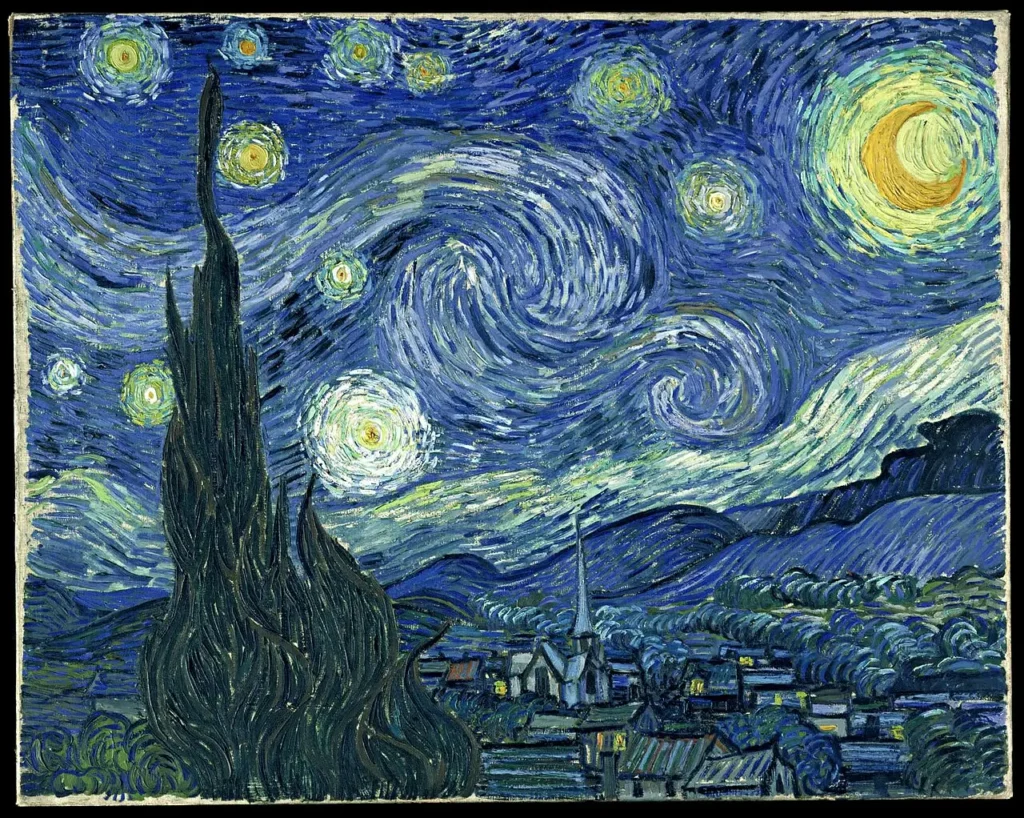
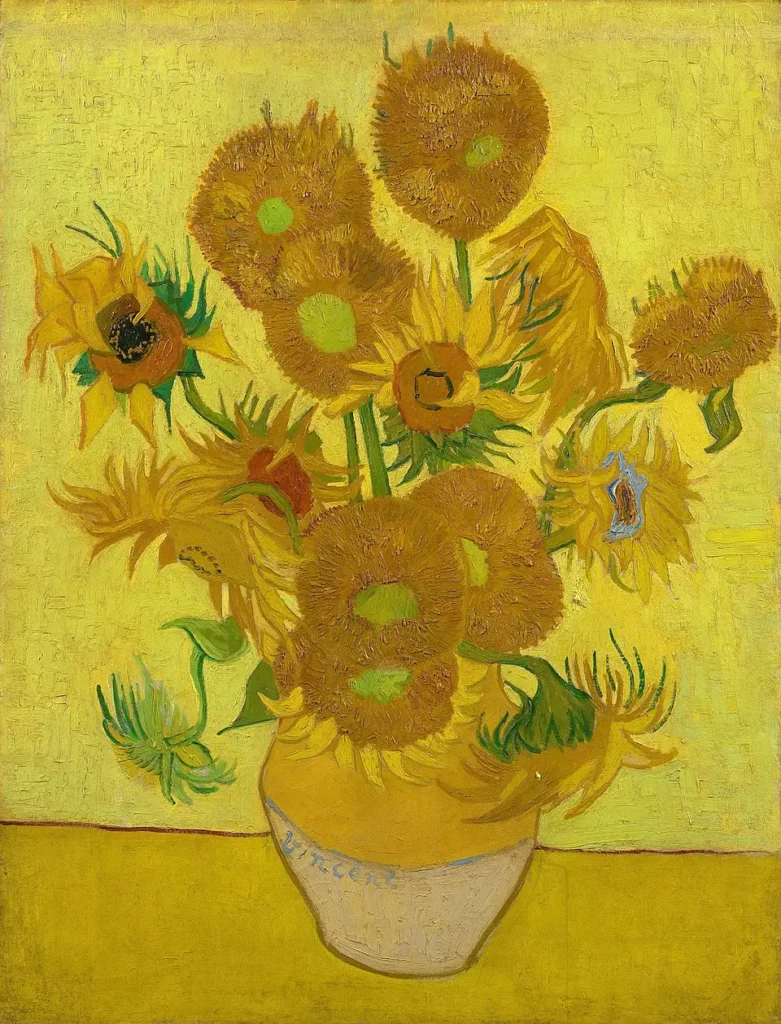

This period was at the same time the most productive and the most painful.
Van Gogh dreamed of a community of artists — a place where artists would live together and create. For this idea, he invited Paul Gauguin to Arles.
But their relationship ended in conflict.
The Ear Story — Myth and Reality
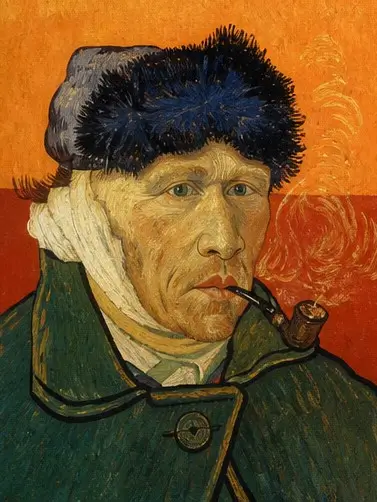
One of the most famous and shocking stories from Van Gogh’s life is the cutting of his ear.
After prolonged tension, the conflict with Gauguin reached an extreme. It was during this period that Van Gogh cut off part of his own ear.
There are different versions:
- he did this during a psychological crisis
- or he covered up a trauma received as a result of the conflict
The exact answer remains unknown to this day.
Psychological Struggle

Van Gogh struggled with mental problems throughout his life. Historians suggest various diagnoses:
- depression
- bipolar disorder
- epilepsy
He was admitted to psychiatric institutions several times. One of the most famous periods was his stay in a hospital, where he created his masterpieces.
Interestingly, some of his most famous works were created during periods of crisis.
Theo — The Only Person Who Believed in Him
A special place in Van Gogh’s life was occupied by his brother — Theo.
Theo was the only person who supported him — both financially and emotionally.
Van Gogh’s letters to Theo are today one of the most valuable documents in art history. They show us his thoughts, fears, hopes, and creative process.
Life in Poverty
Today his paintings are sold for hundreds of millions of dollars, but during his lifetime Van Gogh sold only one work.
He was constantly in financial difficulties and often depended on Theo.
His genius was not needed by anyone at that time.
Death — Suicide or Accident?
In 1890, Van Gogh died. According to the official version, he committed suicide — by shooting himself in the chest.
However, there are alternative theories:
- accidental shooting
- involvement of other people
The exact truth remains unknown to this day.
Fame After Death
After Van Gogh’s death, his works gradually became known.
Today he is considered:
- one of the greatest representatives of post-impressionism
- one of the most influential figures in art history
His style continues to influence artists to this day.

Why Does Van Gogh Still Fascinate Us?
Van Gogh’s story is not only about art. It is a story about:
- human loneliness
- unappreciated talent
- inner struggle
- hope that does not disappear until the end
He reminds us that genius does not always fit into its era.
Conclusion
Vincent van Gogh is an example of how the world may fail to notice great talent — and how that talent can later change centuries.
His life was a tragedy.
His art — immortality.
The images used in the article are sourced from Wikimedia Commons and are in the public domain.
If you found the article interesting, share it with your friends and leave a comment.